

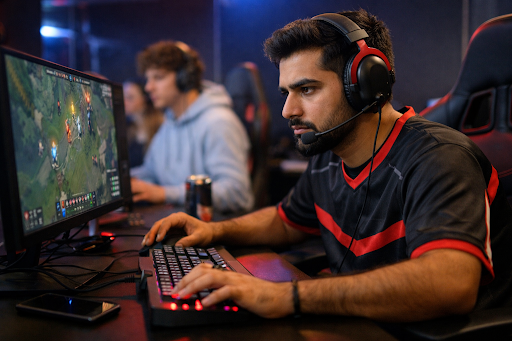
Competitive gaming is defined by change. Balance patches, system updates, new content, and shifting player behavior constantly reshape how games are played. In this environment, adaptability is not a bonus skill. It is a requirement. Players who fail to adapt often experience sudden drops in performance, while those who adjust smoothly remain competitive regardless of how the meta evolves.
Adaptability is not about abandoning identity or chasing every trend. It is about understanding when conditions have changed and responding with intention. Players who master this skill improve faster, perform more consistently, and experience less frustration over time.
What Adaptability Really Means in Competitive Play
Adaptability is the ability to adjust decisions, priorities, and playstyle in response to changing conditions. It goes beyond switching characters or builds. True adaptability affects how players think during matches.
An adaptable player recognizes when a familiar approach is no longer effective. They identify new constraints and opportunities and modify behavior accordingly. This flexibility allows them to remain effective even when preferred strategies lose value.
Adaptability is proactive rather than reactive. It anticipates change instead of resisting it.
Why Metas Change So Frequently
Modern games are live systems. Developers monitor data, observe player behavior, and adjust balance to maintain variety and engagement. These updates disrupt established patterns.
In addition to developer changes, player behavior itself reshapes the meta. As strategies spread, counters emerge. As counters become common, new approaches gain value. This cycle repeats continuously.
Understanding that metas are inherently unstable helps players accept change as normal rather than disruptive.
The Cost of Rigid Playstyles
Rigid playstyles feel comfortable because they reduce decision-making. Players repeat familiar patterns and rely on muscle memory.
However, rigidity becomes a liability when conditions shift. A playstyle that thrived in one meta may be punished in the next. Players who refuse to adapt often blame balance rather than recognizing misalignment.
Over time, rigidity leads to stagnation. Improvement slows because learning stops.
Adaptability Preserves Competitive Consistency
Consistency is more valuable than peak performance. Adaptable players maintain stable results across patches and seasons.
When the meta shifts, adaptable players adjust expectations and tactics quickly. They may lose a few matches during transition, but they recover faster than rigid players who resist change.
This consistency compounds into long-term success.
Adapting Does Not Mean Chasing Trends
A common misconception is that adaptability means constantly switching to whatever is popular. This approach creates instability rather than improvement.
Effective adaptation is selective. Players evaluate whether changes affect their role, strategy, or win conditions. They adjust only where necessary.
Blindly chasing trends often leads to shallow understanding and inconsistent performance.
Understanding Why Strategies Lose Value
Adaptation begins with diagnosis. Players must understand why a strategy no longer works.
Is it being countered more effectively? Did a patch alter its efficiency? Has player behavior changed?
Answering these questions prevents overcorrection. Instead of abandoning a strategy entirely, players may refine execution or adjust context.
Understanding cause and effect is the foundation of intelligent adaptation.
Meta-Awareness Enables Faster Adjustment
Meta-awareness accelerates adaptability. Players who track trends, read patch notes, and observe high-level play detect shifts early.
Early awareness provides preparation time. Players experiment before changes fully impact ranked environments.
Analytical resources like NowLoading.co help players connect balance updates and emerging strategies to practical gameplay, supporting smoother adaptation.
Adaptability in Team-Based Games
In team-based games, adaptability extends beyond individual choices. Players must adjust to teammates, compositions, and coordination levels.
An adaptable player modifies aggression based on team readiness. They adjust positioning based on protection available. They alter priorities based on win conditions.
This flexibility improves coordination even without communication.
Emotional Adaptability and Competitive Mindset
Adaptation is not purely mechanical. It is psychological.
Players often resist change because it threatens identity. Being known for a specific playstyle creates attachment. When that style weakens, frustration follows.
Emotional adaptability involves accepting that change does not invalidate past skill. It simply requires a new application.
Players who manage this transition remain motivated and resilient.
Learning Through Experimentation
Adaptability requires experimentation. Players test adjustments and observe outcomes.
This experimentation must be deliberate. Random changes create confusion. Focused testing isolates variables and accelerates learning.
Players who treat experimentation as part of the process adapt faster and more confidently.
The Role of Reflection in Adaptation
Reflection turns experience into insight. After matches, adaptable players ask whether decisions aligned with current conditions.
They review not just outcomes, but choices. They identify moments where old habits conflicted with new realities.
This reflective practice refines adaptability over time.
Avoiding Overreaction During Meta Shifts
Overreaction is a common adaptation mistake. Players abandon strategies prematurely or assume dominance too quickly.
Balanced adaptation requires patience. Some strategies decline temporarily before stabilizing. Others appear strong until counters emerge.
Players who balance caution with curiosity avoid unnecessary disruption.
Adaptability Across Skill Levels
Adaptability manifests differently across skill levels. Beginners adapt by learning fundamentals. Intermediate players adjust strategies. Advanced players refine execution.
Understanding one’s stage prevents misaligned adaptation efforts. Overcomplicating early learning or oversimplifying advanced play both hinder progress.
Adaptation should match skill context.
Adaptability Builds Transferable Skill
One of the greatest benefits of adaptability is transferability. Players who adapt well in one game adapt faster in others.
They recognize patterns, interpret systems, and respond effectively. This adaptability extends beyond individual titles.
It becomes a core competitive skill.
Long-Term Growth Depends on Adaptability
Long-term competitive growth depends on relevance. Players who fail to adapt become outdated regardless of past success.
Adaptable players remain relevant. They evolve alongside the game. They continue learning rather than defending old habits.
This mindset supports sustained improvement and enjoyment.
Common Barriers to Adaptability
Common barriers include ego, fear of loss, and attachment to identity. These barriers prevent honest evaluation.
Recognizing these barriers is the first step to overcoming them. Adaptability requires humility and curiosity.
Players who embrace learning over validation adapt more effectively.
Building an Adaptable Practice Routine
Adaptability improves with routine. Players who regularly review patches, analyze matches, and test adjustments build adaptive habits.
This routine reduces stress during change. Adaptation becomes familiar rather than overwhelming.
Over time, adaptability becomes instinctive.
Final Thought
Adaptability is the most important skill in evolving game metas. It allows players to maintain consistency, recover from change, and continue improving regardless of balance shifts.
Players who adapt do not chase trends blindly. They understand context, diagnose change, and respond intentionally. They balance stability with flexibility.
In competitive gaming, change is inevitable. Adaptability determines who thrives within it. Players who embrace this reality do not just survive meta shifts. They use them as opportunities to grow stronger.