

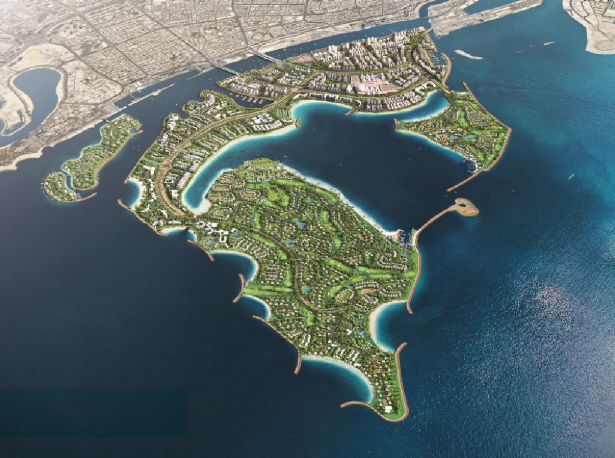
1. Why Islands Are Gaining Real Estate Attention
As the global real estate landscape continues to shift, islands have emerged as an exciting frontier for property investors and developers. Whether it’s driven by post-pandemic lifestyle changes, the rise of digital nomadism, or governments offering enticing tax and residency programs, the appeal of island real estate is growing fast. Beyond their postcard beauty, islands offer unique market conditions that can be highly profitable—if approached with the right strategy.
2. Key Economic Indicators to Assess Market Potential
Before committing to any real estate investment, analyzing the economic climate is critical. High-Potential Islands typically show consistent GDP growth, robust tourism infrastructure, and government support for foreign investment. For instance, regions like the Azores (Portugal) and parts of the Caribbean show promising economic resilience paired with increasing demand from overseas buyers. Tracking currency stability, inflation rates, and employment trends also helps forecast an island’s future as a real estate hotspot.
3. Infrastructure Readiness: Accessibility and Utilities
An island might seem idyllic, but without reliable infrastructure, long-term investment returns can quickly erode. Key questions to ask include: Does the island have a functioning airport with regular international flights? Are roads, ports, and public transport well-maintained? Just as crucial are basic utilities—electricity, potable water, and high-speed internet—which affect both livability and resale value. Islands that prioritize infrastructure development, like Mauritius and Malta, attract far more serious real estate interest than those that don’t.
4. Legal and Ownership Frameworks for Foreign Investors
Buying property as a foreigner is not always straightforward. Investors should examine whether freehold or leasehold arrangements are available and whether land ownership is restricted to locals. Several island nations, such as the Dominican Republic or Seychelles, allow full property ownership for foreigners, while others impose complicated land leases or partnership requirements. It’s equally vital to understand title deed regulations, zoning laws, and tax structures to avoid legal pitfalls.
5. Environmental and Climate Considerations
Islands are at the frontline of climate change, facing threats like rising sea levels, erosion, and natural disasters. While some may dismiss these risks, savvy investors must evaluate climate data, flood zones, and natural disaster preparedness before buying. Moreover, environmental regulations may restrict construction in ecologically sensitive areas. On the upside, eco-conscious developments can command a premium, especially when aligned with sustainability goals. Investing in green-certified buildings on resilient islands may soon become the norm.
6. Demand Drivers: Tourism, Expat Communities, and Remote Work
For real estate to flourish, there needs to be demand—whether short-term (tourists), medium-term (remote workers), or long-term (retirees and expats). Islands with strong tourism appeal tend to generate excellent rental returns, especially in the short-let segment. Meanwhile, areas like Bali and Cyprus are now cultivating expat hubs, supported by digital nomad visas and coworking infrastructure. Understanding who your target renters or buyers are—and what drives them to an island—is essential for planning a profitable expansion.
7. Case Studies: Emerging Island Real Estate Markets
Several island regions are making waves in the investment world. The Azores, for example, offer EU citizenship pathways and relatively affordable prices compared to mainland Portugal. In the Caribbean, Saint Lucia and Grenada are gaining traction for their citizenship-by-investment programs and relaxed property laws. Closer to Asia, the Philippine island of Siargao is becoming a magnet for eco-resorts and boutique developments. These examples illustrate how different factors—from legal flexibility to branding—can elevate a location into a real estate hotspot.
8. Risks and Challenges in Island Development
As with any opportunity, there are caveats. Island development often involves logistical hurdles: transporting materials can be expensive, skilled labor may be scarce, and construction can be delayed by weather or bureaucracy. Political instability and sudden regulatory shifts also pose risks, particularly in smaller or less-governed regions. Furthermore, overdevelopment can lead to environmental degradation, which in turn harms long-term investment value. A sound risk assessment plan—and ideally local partnerships—can mitigate many of these challenges.
Is Now the Time to Invest in Island Real Estate?
The convergence of global trends—remote work, wellness travel, and climate migration—makes islands more relevant than ever in real estate strategy. However, not all islands are created equal. Evaluating economic data, infrastructure, legal access, and climate resilience is non-negotiable. Investors who do their due diligence can secure properties in high-potential islands poised for long-term appreciation. The key lies in moving early, thinking long-term, and choosing locations where lifestyle, value, and viability intersect.