

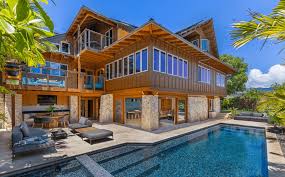
Many high-end properties in Hawaii are built near sacred sites or within historically significant landscapes. Buyers exploring Hawaii luxury real estate should understand how local preservation laws and community concerns can influence development rights and design limitations. Respecting cultural heritage is essential to securing long-term property value and community acceptance.
Understanding Cultural Preservation in Hawaii’s Luxury Real Estate
The Cultural Tapestry of Hawaii
Hawaii’s rich cultural heritage is woven into its landscapes, making it a unique and vibrant tapestry that blends native Hawaiian traditions with influences from its diverse population. This cultural richness is not merely an aesthetic consideration but a critical component that shapes the character of the islands. Understanding this tapestry is essential for anyone involved in luxury real estate developments, as it informs the history and significance of the land.
The Role of Preservation Laws
Hawaii’s preservation laws are designed to protect its cultural and historical sites, ensuring that the unique identity of the islands is maintained for future generations. These laws often impose stringent requirements on developers, dictating where and how new structures can be constructed. Compliance with these laws is not optional; it is a legal obligation that can affect the timeline and design of any real estate project. Developers must engage with these regulations early in their planning processes to minimize potential conflicts and delays.
Community Engagement and Respect
Beyond legal requirements, community engagement is a crucial element of successful real estate development in Hawaii. Local communities are deeply connected to their cultural heritage and are often involved in discussions about new developments. Gaining community support can be pivotal for securing approval and fostering goodwill. By respecting cultural practices and integrating community feedback, developers can create projects that are both profitable and culturally sensitive, ensuring harmony between new developments and existing landscapes.
The Impact of Sacred Sites on Luxury Property Development
Understanding Sacred Sites
Hawaii’s landscape is a tapestry woven with rich cultural history and sacred significance, making it unique in the world of luxury real estate. Sacred sites, known as wahi pana, hold profound spiritual and historical value to the Native Hawaiian community. These areas are often associated with legends, ancestral connections, and cultural practices that date back centuries. When considering the development of luxury properties near these hallowed sites, it is essential to understand their significance and the potential impact on both the project and the community.
Regulatory Considerations
Navigating the regulatory landscape in Hawaii involves more than just adhering to zoning laws or environmental regulations. Developers must also comply with cultural preservation mandates that protect sacred sites from desecration and overdevelopment. These laws are designed to safeguard the cultural heritage of the islands, ensuring that new developments do not encroach upon or diminish the significance of these revered areas.
Navigating Local Preservation Laws and Community Concerns
Understanding Preservation Laws
When engaging with Hawaii’s luxury real estate market, potential buyers must comprehend the nuances of local preservation laws. These regulations aim to protect the archipelago’s unique cultural and historical heritage. Properties often reside near sacred sites or within areas of significant ecological and historical importance. As a buyer, you must be aware of the Hawaii State Historic Preservation Division (SHPD) and its role in overseeing projects to ensure they do not negatively impact these pivotal sites.
Balancing Development and Preservation
Striking a balance between development aspirations and preservation responsibilities is key to sustainable success in Hawaii’s luxury real estate sector. This balance secures long-term property value and fosters goodwill among local communities. Buyers should engage with experts knowledgeable in both real estate and cultural heritage to navigate these challenges effectively. By prioritizing cultural preservation alongside development goals, you contribute to a future where luxury living coexists harmoniously with Hawaii’s rich heritage.
Final Thoughts
In navigating Hawaii’s luxury real estate landscape, you are not merely investing in a property but also participating in a rich cultural tapestry that demands respect and mindfulness. Understanding and adhering to local preservation laws is not just a legal obligation but a commitment to honoring the sacred spaces and traditions that define these islands. By aligning your Hawaii luxury real estate investment with community values, you not only ensure the protection of Hawaii’s unique heritage but also enhance the long-term property value and foster stronger community relations.