

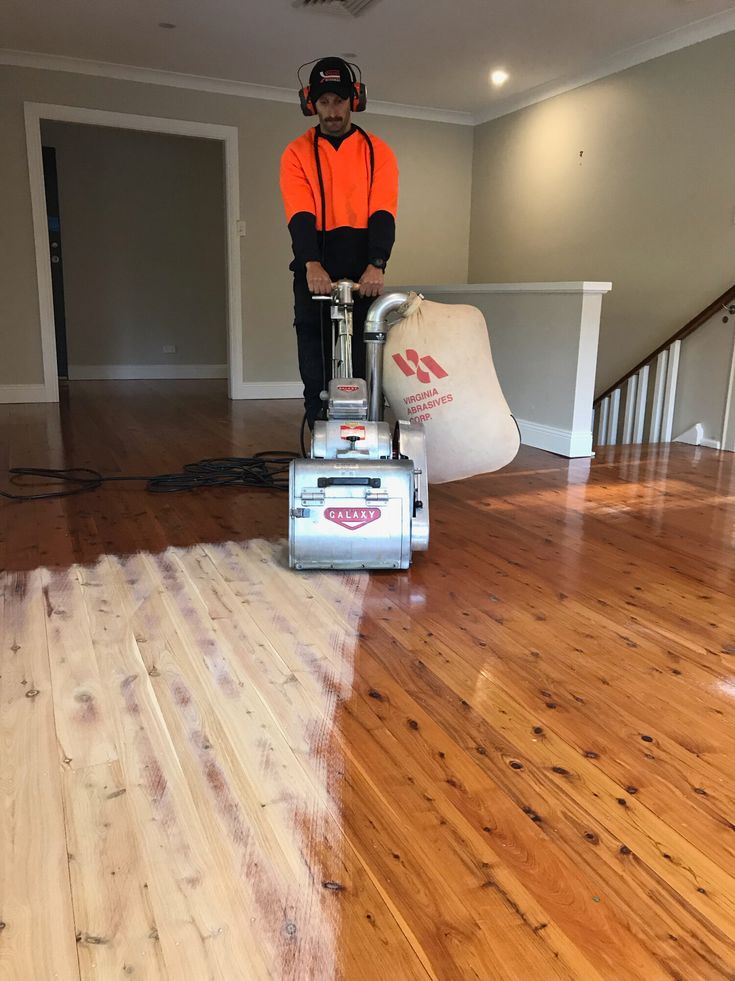
Wooden floors bring timeless elegance, warmth, and character to any home. Over time, however, even the most well-maintained wood flooring can lose its charm. Scratches, stains, dull finishes, and general wear can leave your once-beautiful floor looking tired and lifeless. This is where a professional floor sanding company comes in. With the right tools, techniques, and experience, these specialists can restore your floors to their former glory.
Understanding the floor sanding process not only helps you appreciate the craftsmanship involved, but also prepares you for what to expect. In this blog, we’ll walk you through the detailed, step-by-step process a professional floor sanding company uses to breathe new life into your wooden floors.
Initial Inspection and Assessment
Every successful floor restoration begins with a thorough inspection. Before any equipment is rolled out or sanding begins, a reputable Floor Sanding Company will assess the condition of your floors. This includes identifying the type of wood, the age of the flooring, any previous finishes used, and the extent of damage or wear.
At this stage, the company will also look for loose boards, deep gouges, water damage, or signs of pests. These issues may require repairs before sanding can begin. If there are any damaged floorboards, the company may recommend replacing or reinforcing them. The initial assessment is crucial for determining the best approach and for setting realistic expectations with the homeowner.
Room Preparation and Safety Measures
Once the assessment is complete, the next step is preparing the space. Floor sanding creates a significant amount of dust, so proper preparation is key to minimizing mess and protecting your home. Professional sanding companies will advise you to remove all furniture, rugs, and décor from the room. Electrical outlets and vents are often covered to prevent dust from entering, and plastic sheeting may be used to seal off adjacent areas.
High-quality sanding companies use dustless or low-dust sanding systems, but some dust is always inevitable. Technicians typically wear safety gear, and they may also provide recommendations for homeowners who wish to stay elsewhere during the more intensive stages of the process.
Floor Repairs and Pre-Sanding Maintenance
Before the sanding begins, any necessary repairs are made. This includes securing loose floorboards, filling cracks or gaps, and replacing damaged wood if needed. The floor must be as even as possible to ensure a smooth, consistent sanding outcome. Nail heads that stick out are either driven deeper into the wood or removed, and any protrusions are filed down to avoid damaging the sanding equipment.
In some cases, wood filler may be used to even out gaps between planks. Once the repairs are complete, the floor is cleaned thoroughly to remove any debris that could interfere with the sanding process.
Coarse Sanding to Remove the Old Finish
The actual sanding process begins with coarse sanding, using heavy-duty equipment fitted with low-grit sandpaper, typically ranging from 24 to 40 grit. This stage is all about removing the old finish, paint, stains, and surface imperfections. It strips the top layer of wood and exposes the clean layer beneath.
This step requires precision and control. Improper technique or poor-quality machines can cause gouging or uneven sanding, which is why hiring an experienced team is so important. Floor sanding professionals work systematically, usually moving in the direction of the wood grain and ensuring uniform pressure for an even finish.
Medium Sanding for Smoothing the Surface
Once the old finish has been removed, the next step is medium sanding. This uses a finer grit, typically 60 to 80, to smooth out the roughness left behind by the initial sanding. This stage also removes any remaining scratches or swirl marks and further levels the surface.
Medium sanding begins to reveal the natural grain and color of the wood. It’s the bridge between the aggressive initial sanding and the gentle final sanding. Professional technicians pay close attention during this stage to ensure a seamless surface in preparation for the finishing touches.
Edge and Corner Sanding
While large machines handle most of the floor area, they cannot reach into corners, along baseboards, or around door frames. To handle these tight spots, professionals use handheld edging sanders or orbital sanders. These tools are specifically designed to sand areas that are inaccessible to drum or belt sanders.
Edge sanding is meticulous work and requires a steady hand. If done carelessly, it can leave visible differences in texture or depth between the edges and the rest of the floor. A skilled floor sanding company ensures consistency across the entire surface, even in the hard-to-reach areas.
Fine Sanding and Final Buffing
After the medium sanding and edge work is complete, fine sanding begins. This is typically done with high-grit sandpaper, such as 100 to 120 grit, and leaves the floor incredibly smooth. The goal here is to refine the surface and prepare it for staining or finishing.
Some companies also use a buffer or a floor polisher during this step. Buffing removes any remaining fine dust particles and blends sanding marks, leaving the floor silky smooth and ready for sealing. This is the last sanding stage, and it ensures the floor is completely prepped for finishing.
Cleaning and Dust Removal
Before applying any finish, the floor must be cleaned thoroughly. Even the smallest dust particles can affect how a stain or sealant adheres to the wood. Professional teams use industrial vacuums, microfiber cloths, and tack rags to ensure the floor is spotless.
Many companies also use dust containment systems throughout the process, but a final round of deep cleaning ensures optimal conditions for finishing. Clean floors mean a cleaner, more professional-looking final result.
Application of Stain or Finish
The final step is applying your chosen stain or finish. Some homeowners opt to keep the natural color of the wood, using only a clear sealant, while others may choose a specific stain color to match their interior décor. Professional companies offer a range of finishes, including oil-based polyurethane, water-based finishes, and penetrating oils.
The finish is applied in even coats, typically using rollers or brushes. Depending on the product used, multiple coats may be required, with light buffing between applications. Drying times vary, and most professionals will give you clear guidance on how long to wait before walking on or replacing furniture on the refinished floor.
Conclusion: Bringing Your Floors Back to Life
The process of sanding and refinishing wooden floors is intricate, but when done correctly by a professional floor sanding company, the results are stunning. From the initial assessment to the final finish, each step plays a vital role in restoring the beauty and durability of your wood flooring.
Investing in a quality floor sanding service doesn’t just improve aesthetics — it enhances your home’s value, comfort, and longevity. So, the next time your wooden floors start looking worn, remember that with the right expertise, they can look brand new again.