

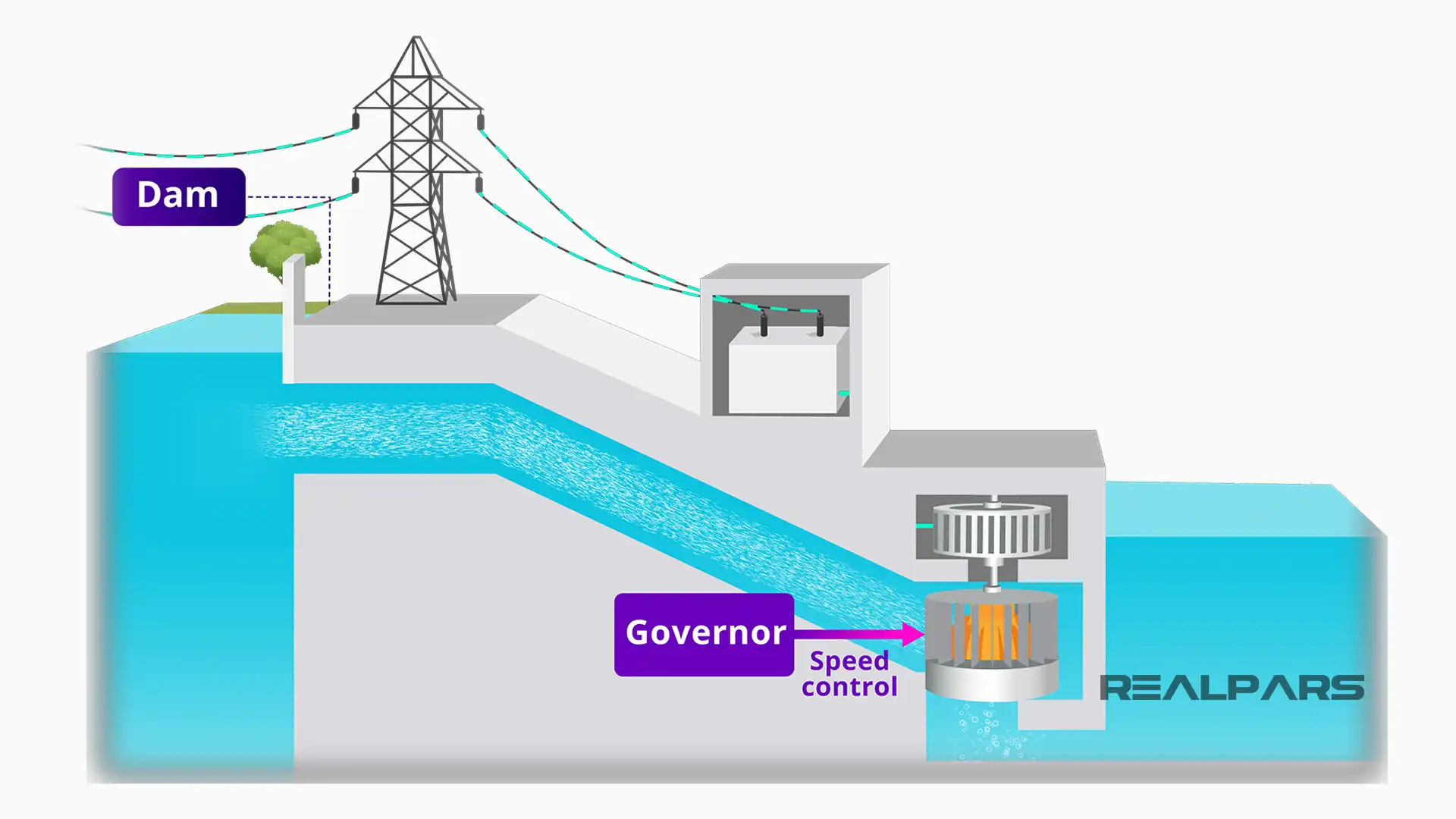
What is Hydroelectric Power ?
Hydroelectric power is a form of renewable energy that harnesses the potential energy stored in water. By tapping into the natural flow of rivers and streams, hydroelectric power stations convert kinetic energy into electricity. This method not only provides a sustainable source of power but also reduces reliance on fossil fuels, thereby contributing to environmental preservation.
The basic principle of hydroelectric power generation is straightforward. Water stored in a reservoir is channelled through turbines, which spin to generate electricity. The efficiency of this system relies on the gravitational force that drives water downhill, making it one of the most efficient forms of renewable energy. With the growing need for clean energy sources, hydroelectric power has become an essential component of the global energy mix.
Globally, hydroelectric power accounts for a significant portion of electricity production. Countries with abundant water resources, such as Canada, Brazil, and Norway, heavily invest in hydropower infrastructure, showcasing its potential to meet large-scale energy demands. As technology advances, hydroelectric systems are becoming more efficient and adaptable to various geographical landscapes.
The Role of Hydropower Plants in Energy Generation
Hydropower plants play a crucial role in the generation of electricity by acting as reliable sources of clean energy. These facilities are strategically located near water sources, such as rivers and dams, to effectively harness the energy of flowing water. As the demand for renewable energy grows, hydropower plants continue to provide a sustainable and efficient alternative to fossil fuels.
In addition to generating electricity, hydropower plants offer several ancillary benefits. They help in flood control by regulating river flow and storing excess water during heavy rainfall. Moreover, the reservoirs created by these plants can serve as water supply sources for irrigation and human consumption. This multifunctionality makes hydropower an attractive option for many governments and organisations.
While hydropower plants are beneficial, their construction and operation require careful planning and management. Ensuring minimal environmental impact and maintaining ecological balance are paramount. Therefore, modern hydropower projects often incorporate ecological considerations into their design, aiming to reduce habitat disruption and promote biodiversity.
How Water Turbines Work in Hydropower Systems
Water turbines are the heart of any hydropower system, converting the energy of flowing water into mechanical energy. This mechanical energy is then transformed into electrical energy through generators. Understanding the operation of water turbines is key to appreciating the efficiency and reliability of hydroelectric power plants.
In a typical hydropower system, water is channelled through a penstock, a large pipe that guides it towards the turbine. As water flows over the turbine blades, it causes the rotor to spin. The rotational energy produced is transferred to a generator, which converts it into electricity. This process is highly efficient and can be adjusted to meet fluctuating energy demands by controlling the flow of water.
The design and type of water turbine used can vary depending on the specific requirements of the hydropower plant. Factors such as water flow rate, head (the height from which water falls), and site conditions influence the choice of turbine. Properly selecting and maintaining these turbines is essential for optimising the performance and longevity of a hydropower plant.
Overview of Different Types of Water Turbines
Water turbines come in several designs, each suited to specific conditions and energy needs. The two main categories of water turbines are impulse and reaction turbines, both of which play vital roles in hydropower systems.
Impulse Turbines
These turbines are designed for high-head, low-flow applications. They operate by converting the kinetic energy of a jet of water into mechanical energy. The Pelton turbine is a classic example, where water jets strike spoon-shaped buckets mounted on the turbine’s runner. This design is ideal for mountainous regions where water can fall from great heights.
Reaction Turbines
Unlike impulse turbines, reaction turbines work in a pressurised environment and are suited for low-head, high-flow conditions. The Kaplan turbine, for instance, is a popular choice for its ability to handle varying water levels and flows efficiently. It features adjustable blades that can change angle to optimise energy capture.
Selecting the appropriate turbine type is crucial for maximising efficiency and ensuring the sustainable operation of a hydropower plant. Each turbine type offers unique advantages and is chosen based on specific site conditions and energy production goals.
Understanding the Kaplan Turbine and Its Applications
The Kaplan turbine is a reaction turbine that excels in low-head, high-flow scenarios, making it a versatile choice for many hydropower plants. Its design includes adjustable blades and a moveable wicket gate, allowing it to efficiently operate under varying water conditions.
One of the key advantages of the Kaplan turbine is its adaptability. The adjustable blades can be fine-tuned to optimise performance across different water levels and flow rates. This flexibility makes it ideal for sites where water availability fluctuates, such as tidal and riverine environments.
Kaplan turbines are widely used in both small and large-scale hydropower projects. Their efficiency in capturing energy from low-head water sources makes them suitable for regions with flat topography. As hydropower technology continues to evolve, the Kaplan turbine remains a critical component in the quest for clean, renewable energy.
The Pelton Turbine: How It Harnesses Energy from Water
The Pelton turbine is the epitome of impulse turbine technology, designed to harness energy from high-head water sources. Its unique design features a series of spoon-shaped buckets mounted around a central hub. Water jets are directed at these buckets, creating a force that spins the turbine and generates electricity.
Pelton turbines are effective in mountainous regions with steep gradients, where water can be channelled from great heights. The high velocity of the water jets striking the buckets maximises energy conversion efficiency, making Pelton turbines ideal for locations with limited water flow but significant head.
Due to their robust design, Pelton turbines are known for their durability and low maintenance requirements. They are often employed in remote areas where reliability is essential, contributing significantly to the overall energy output of hydropower plants in challenging terrains.
The Importance of Trash Rack Cleaning Machines in Hydropower Plants
Trash rack cleaning machines are essential components of hydropower plants, ensuring the smooth operation of water turbines. These machines are responsible for removing debris, such as leaves, branches, and other materials, that can accumulate at the intake of water channels. Without effective cleaning systems, turbines can become clogged, leading to reduced efficiency and potential damage.
A well-maintained trash rack cleaning system not only protects the turbines but also extends their lifespan. By preventing blockages, these machines help maintain optimal water flow, ensuring that hydropower plants operate at peak efficiency. Regular maintenance and timely cleaning are crucial to avoid costly repairs and downtime.
In addition to their mechanical benefits, trash rack cleaning machines contribute to environmental protection. By filtering out debris, they prevent the accumulation of waste in the waterways, supporting aquatic ecosystems. Implementing effective cleaning solutions is, therefore, an integral part of sustainable hydropower plant management.
Benefits of Hydroelectric Power for the Environment
Hydroelectric power offers numerous environmental benefits, making it a preferred choice for sustainable energy generation. Firstly, it significantly reduces greenhouse gas emissions, as it does not rely on fossil fuels. This reduction in carbon footprint plays a vital role in combating climate change and promoting air quality.
Another advantage of hydroelectric power is its ability to provide a reliable and consistent energy source. Unlike solar or wind energy, which can be intermittent, hydropower can be adjusted to meet demand, ensuring a stable electricity supply. This reliability contributes to the resilience of the energy grid and reduces the need for backup power sources.
Moreover, hydroelectric power plants often create reservoirs that can support biodiversity and recreational activities. These reservoirs can become habitats for various species, contributing to local ecosystems. Additionally, they provide opportunities for water-based recreation, supporting tourism and local economies.
Challenges Faced by Hydropower Plants
Despite their benefits, hydropower plants face several challenges that must be addressed to ensure sustainable operation. One significant issue is the potential environmental impact of dam construction, which can disrupt local ecosystems and displace communities. Careful planning and environmental assessments are crucial to mitigating these effects.
Another challenge is the maintenance of infrastructure, such as dams and turbines. Regular upkeep is necessary to prevent wear and tear, which can lead to inefficiencies and increased operational costs. Implementing advanced monitoring systems and predictive maintenance strategies can help address these challenges.
Finally, hydropower plants must adapt to changing climate conditions. Alterations in precipitation patterns and water availability can impact energy production. Developing flexible and adaptive management strategies is essential to ensure that hydropower remains a viable and sustainable energy source in the face of climate change.
The Future of Hydroelectric Power: Innovations and Developments
The future of hydroelectric power is promising, with ongoing innovations and developments enhancing its efficiency and sustainability. Emerging technologies, such as floating solar panels integrated with hydropower systems, are being explored to maximise energy output from existing reservoirs. These hybrid systems offer the potential to increase the capacity of hydropower plants without additional land use.
Advancements in turbine technology are also contributing to the future of hydroelectric power. New materials and designs are improving turbine efficiency and reducing maintenance requirements. For example, the development of fish-friendly turbines aims to minimise the impact on aquatic life, promoting biodiversity in rivers and streams.
Furthermore, digitalisation and smart grid technologies are revolutionising the management of hydropower plants. Real-time data analytics and remote monitoring systems enable operators to optimise performance and respond swiftly to changes in energy demand. These technological advancements ensure that hydroelectric power remains a cornerstone of sustainable energy solutions.
Conclusion
Hydroelectric power is a vital component of the global transition towards clean energy. Its ability to provide reliable, renewable electricity while minimising environmental impact makes it a cornerstone of sustainable development. By understanding the intricacies of hydropower plants, water turbines, and the challenges they face, you can appreciate the pivotal role they play in shaping a sustainable future.
As the demand for clean energy continues to rise, investing in and supporting advancements in hydroelectric technology is crucial. By doing so, you contribute to a greener planet and a more sustainable energy system. If you’re interested in learning more about how you can support the growth of hydroelectric power, consider exploring opportunities to invest in renewable energy projects or advocate for policies that promote sustainable energy practices.
Explore how you can make a difference in the future of renewable energy by supporting hydroelectric power projects. Engage with local initiatives, invest in sustainable technologies, or simply stay informed about the latest developments in this dynamic field. Your actions can contribute to a cleaner, more sustainable world for future generations.