

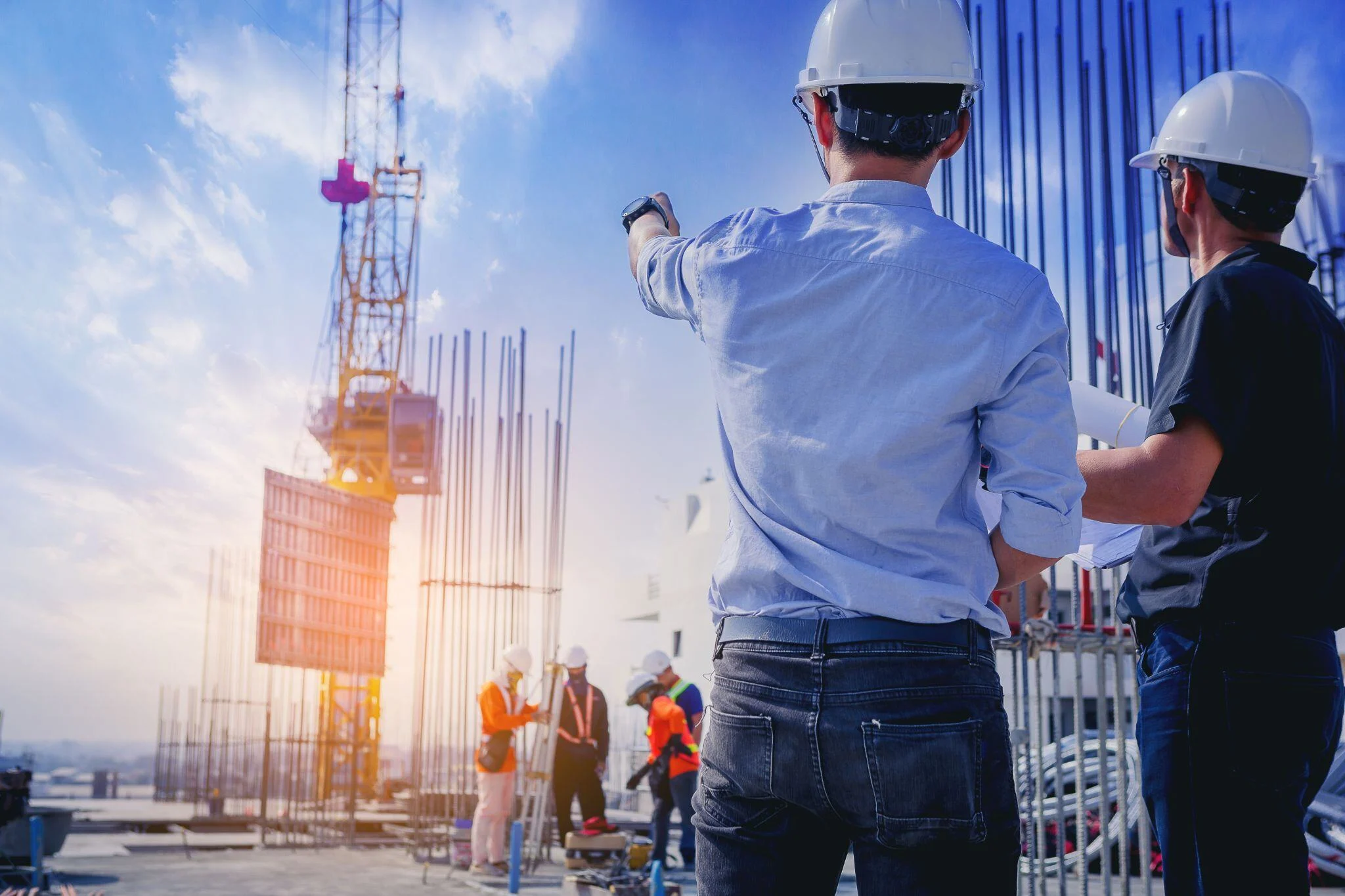
Structural engineering is a special part of civil engineering. It focuses on designing strong and safe structures that can stand up to forces like weight, wind, water, and even earthquakes. When we see tall buildings, long bridges, or big stadiums, we may not always think about the work behind them. But structural engineering is what makes those structures possible and safe.
At its core, structural engineering is all about making sure things don’t fall down. This might sound simple, but it takes a lot of careful planning, calculations, and smart choices. The goal is to make sure a structure is strong enough to hold itself up, carry the things and people inside, and last a long time without breaking or collapsing. From the smallest home to the tallest tower, structural engineers play a big role in creating the spaces we live and work in every day.
How Structural Engineers Help in Construction
Structural engineers work closely with architects and construction workers to make sure that the ideas on paper become real buildings that are safe. When an architect creates a design for a building, the structural engineer steps in to figure out how to support that design. They decide where to place columns, beams, and other important parts of the structure to keep everything balanced and strong.
Sometimes, engineers use materials like concrete, steel, wood, or even new types of plastics. Each material has its own strengths and weaknesses. Structural engineers must choose the right materials for each part of the structure. For example, steel is very strong and good for tall buildings, while wood might be better for houses. Engineers must think about how materials work together, how they hold weight, and how they handle heat, cold, or rain.
The Tools and Skills of Structural Engineers
Today, structural engineers use advanced tools to help them design and test structures before they are built. These tools include computer programs that can show how a structure will behave in real life. Engineers use these programs to make sure a building won’t bend too much in the wind or crack during an earthquake. They can even test what would happen if a heavy truck drives over a bridge or if snow piles up on a roof.
Math and science are very important in structural engineering. Engineers must understand physics, especially the way forces move and how weight is shared across a structure. They also need to understand geometry and algebra to do the calculations that keep buildings safe. But being a good structural engineer also means being a good problem-solver. Every building has its own challenges, and engineers must find smart, safe, and sometimes creative solutions.
Everyday Structures and Big Projects
Many people think that structural engineering is only for huge buildings or famous bridges. But it’s also a part of everyday life. From schools and hospitals to small shops and homes, structural engineers help design all kinds of buildings. Even playgrounds, fences, and small footbridges need to be safe and strong.
On bigger projects like skyscrapers, stadiums, or tunnels, structural engineers work as part of large teams. These teams include many types of engineers, builders, and city planners. Each person has a role to play, but the structural engineer is always there to make sure the structure can support its own weight and any extra weight from people, machines, or nature.
Challenges and the Future of Structural Engineering
Structural engineering is always changing and growing. New materials, new building techniques, and new computer tools make it possible to create things that were not possible before. Engineers are now designing buildings that can move slightly during earthquakes or bridges that can fix small cracks on their own. These ideas are part of what’s called “smart” or “intelligent” engineering.
One of the big challenges today is climate change. Structural engineers must now think more about weather, rising temperatures, and stronger storms. They need to build structures that last longer, use less energy, and don’t harm the environment. This is called sustainable engineering, and it’s becoming more important all over the world. Engineers are learning how to reuse old materials, reduce waste, and design buildings that stay cool without using too much electricity.
In the future, structural engineering will continue to evolve. We may see more buildings made from recycled materials or special green buildings that grow plants on their walls. Engineers might also use robots and 3D printers to build structures in faster, cheaper, and safer ways. But no matter how technology changes, the main goal of structural engineering will always be the same: to keep people safe.
The Importance of Safety and Responsibility
Structural engineers carry a lot of responsibility. If a building or bridge is not designed well, it can be dangerous. That’s why engineers must always follow strict rules and safety codes. These codes tell engineers what is safe and what is not. Before any building is approved, it must be checked by other experts to make sure everything is correct.
Being a structural engineer is not just about doing math and using computers. It’s also about caring for people. Every design decision affects the safety of the people who will use the structure. Engineers must be honest, careful, and always put safety first. One small mistake can lead to big problems, so being responsible is a big part of the job.
Conclusion: Building the Future, One Structure at a Time
Structural engineering may not always be in the spotlight, but it plays a huge role in shaping our world. Every time we walk into a building, drive across a bridge, or sit in a stadium, we are trusting the work of structural engineers. Their careful planning, smart designs, and deep understanding of how things work keep us safe every day.
As cities grow and the world changes, structural engineers will be needed more than ever. They will design the homes, schools, and hospitals of the future. They will build structures that can handle tough weather, use clean energy, and help protect the planet. By learning, thinking ahead, and caring about people, structural engineers are helping to build a better world—one structure at a time.