

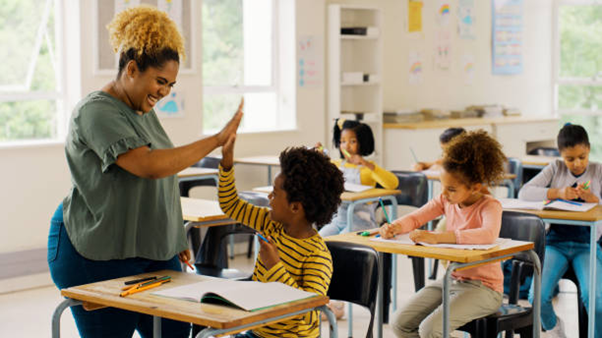
In a classroom tucked away from the buzz of playground chatter, something magical happens when young minds begin to weave their first tales. It might start with a dragon in a teacup or a pirate ship sailing through the sky—tiny sparks of creativity bursting into flame. Nurturing that magic isn’t just a pleasant extracurricular pastime; it’s a powerful tool that shapes confidence, communication, and comprehension from the earliest years.
Fostering imagination at a young age cultivates more than just storytelling prowess. It lays a foundation for critical thinking and emotional intelligence that carries well into adulthood. When a child is encouraged to create new worlds, invent characters, and articulate feelings through narrative, they learn to see the world not only as it is but as it could be. Creative writing courses for primary school help nurture this capacity for vision, for empathy, and for articulating the abstract, becoming an indispensable asset across all aspects of life.
What makes this form of learning particularly powerful is its capacity to give voice to the voiceless. Children, especially in their formative years, may not always have the language to express big feelings or complex thoughts. By guiding them through exercises that tap into their internal landscapes, we empower them to explore, understand, and eventually own their perspectives. This process doesn’t just improve vocabulary or grammar—it nurtures self-belief. There’s immense value in being heard, even on paper.
Additionally, the benefits stretch far beyond literacy. One of the hidden gems within this educational sphere is its influence on cognitive agility. When young writers are tasked with building plotlines, defining motivations, and resolving conflicts through their own characters, they engage in a dance of logic and creativity. Each story they pen is a puzzle, requiring structure, planning, and intention—yet all wrapped within the warm freedom of play.
Let’s not overlook the emotional resilience quietly cultivated along the way. Storycraft, by its very nature, involves trial and error. Not every idea will work. Not every twist will land. But the safe space provided by creative writing experiences allows children to learn from these moments, revise, rethink, and start again. In doing so, they internalise a mindset of growth—an invaluable skill in a world that often demands adaptability.
Equally important is the cultivation of active listening and observation. To write believably, children must learn to pay attention: to people, to nature, to the rhythm of conversation. This attentiveness spills over into other academic areas as well, reinforcing engagement in subjects like science, history, and even mathematics. Patterns, after all, are just another kind of story, and the sharp mind that sees narrative often sees structure elsewhere too.
In a society that increasingly leans on rapid consumption and fleeting digital interactions, taking the time to build a story from scratch teaches patience and intentionality. These are not always qualities that standard classroom activities can fully encourage. The process of creation—from the seed of an idea to the final full stop—demands sustained attention, pride in one’s work, and the ability to reflect. There is genuine accomplishment in seeing an idea, once floating freely in the mind, now fixed in ink and alive on a page.
Moreover, collaboration often plays a vibrant role in such programmes. Whether sharing ideas in pairs or presenting to a group, children learn how to accept feedback with grace and offer support with kindness. These social skills are subtle but profound, preparing them for group dynamics in every future context—academic, professional, or personal.
Of course, one must acknowledge the sheer joy that courses like these inject into learning. The classroom, traditionally viewed as a place of instruction, becomes a studio, a theatre, a workshop brimming with wonder. The sense of ownership children feel when they hold a book they’ve written, or share a piece aloud, is unmatched. It turns education into experience—memorable, vibrant, and deeply personal.
What also sets this experience apart is the flexibility it offers. Children of all personalities and abilities can find their rhythm within it. The shy student might discover their courage in a quiet poem. The restless mind might thrive through spontaneous storytelling. It’s not about fitting into moulds—it’s about smashing them entirely and exploring what’s possible beyond.
Parents and educators often remark on the ripple effects. Children who once struggled to participate in class discussions suddenly raise their hands with ideas. Others who were hesitant readers become voracious consumers of books, inspired by their own capacity to create. These transformations are more than academic victories; they are shifts in identity. When a child begins to see themselves as a creator, their relationship with learning transforms dramatically.
In today’s world, where the value of soft skills is being recognised more than ever, early investment in creative expression offers a remarkable return. From enhanced empathy to better communication, from academic support to personal growth, the outcomes are far-reaching. It isn’t simply about crafting stories—it’s about building thinkers, feelers, leaders.
So, when considering how best to support a child’s educational journey, it’s worth looking beyond the usual arithmetic and science books. Look instead toward the notebooks filled with imagined lands, daring quests, and talking animals. These are more than daydreams—they’re building blocks of a powerful mind, trained not just to answer questions, but to ask them, reimagine them, and sometimes, rewrite the very rules that shape them.
In these stories lie the seeds of innovation. And it all begins with a blank page.