

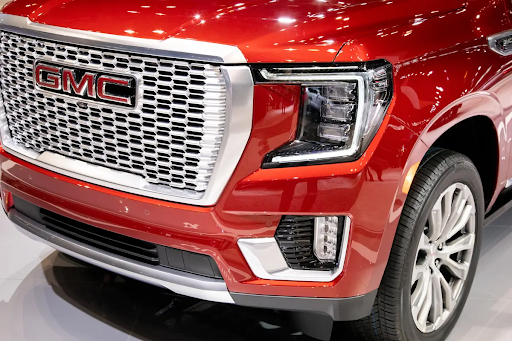
When it comes to American automobile history, GMC is a name that instantly sparks recognition. But many drivers, car enthusiasts, and even new buyers often find themselves asking, what does a GMC car stand for? Understanding the meaning behind the brand, its legacy, and the resources available such as Workshop manuals can help both current owners and potential buyers appreciate the full picture of GMC vehicles. This guide dives deep into the history, the brand’s evolution, and the tools that make GMC ownership more rewarding.
The Origins of GMC and What It Really Stands For
GMC stands for General Motors Truck Company. It was originally established in the early 20th century as a part of the larger General Motors family. The brand’s roots date back to 1909, when General Motors acquired Rapid Motor Vehicle Company, a manufacturer of commercial trucks. This acquisition laid the foundation for what eventually became GMC.
From the beginning, GMC was designed to represent strength, durability, and reliability in trucks and utility vehicles. Unlike Chevrolet, which catered more toward passenger cars and light-duty trucks, GMC positioned itself as the professional-grade brand. So when people ask what a GMC car stands for, it’s not just about the literal meaning of the name but also the legacy of tough and dependable vehicles.
GMC’s Role in American Automotive History
GMC has played a significant role in shaping the automotive industry. During World War II, GMC supplied military trucks that were critical to wartime operations. These vehicles were known for their rugged design and ability to handle the toughest terrains. Over time, GMC transitioned into producing civilian trucks and SUVs that maintained this reputation for toughness.
Today, GMC vehicles are recognized for blending utility with refinement. Models like the Sierra pickup, Yukon SUV, and the Acadia crossover highlight the brand’s focus on capability without sacrificing comfort. When asking what a GMC car stands for, it’s also about a brand that bridges the gap between workhorse vehicles and stylish, modern transportation.
Why GMC Appeals to Drivers Today
Modern car buyers look for a combination of performance, design, and technology. GMC addresses all three. The brand’s trucks and SUVs are often equipped with advanced safety systems, luxurious interiors, and powerful engines capable of towing and hauling heavy loads. This makes GMC especially appealing to professionals, families, and outdoor enthusiasts.
Another key aspect of GMC’s appeal is its premium positioning compared to Chevrolet. While many of the platforms and components overlap between the two brands, GMC models are marketed as more upscale, with enhanced styling, unique trims like Denali, and advanced technology packages. So, in addition to answering what GMC cars stand for, it is also important to see how the brand has carved a distinctive identity in today’s market.
Understanding Workshop Manuals for GMC Owners
For anyone who owns or plans to own a GMC vehicle, Workshop manuals are essential resources. These manuals provide step-by-step instructions for maintaining, repairing, and troubleshooting your car. From routine oil changes to complex engine repairs, workshop manuals give drivers and mechanics the guidance they need to keep a GMC in top condition.
What makes these manuals especially useful is their level of detail. They often include diagrams, technical specifications, and recommended procedures directly from the manufacturer. This ensures that the work being done on a vehicle is accurate and aligned with GMC’s engineering standards. Whether you are an experienced mechanic or a DIY enthusiast, these manuals are invaluable in extending the lifespan of your car.
How Workshop Manuals Save Time and Money
One of the biggest advantages of using Workshop manuals is cost savings. Taking a vehicle to the dealership for every repair or service can become expensive. With the help of these manuals, many basic and intermediate tasks can be performed at home or in smaller repair shops.
For example, tasks such as brake pad replacements, fluid checks, or even diagnosing common engine issues can be handled with guidance from the manual. Beyond saving money, workshop manuals also help owners understand their vehicles better, giving them confidence when making maintenance decisions. In many ways, they make GMC ownership more practical and less stressful.
The Connection Between Brand Legacy and Maintenance
When considering what a GMC car stands for, it is also worth thinking about how maintenance plays a role in preserving that legacy. GMC vehicles are known for being long-lasting, but like any machine, they require regular care. Workshop manuals ensure that owners can follow the correct procedures, keeping the vehicle running smoothly for years.
This connection between a brand’s identity and its long-term performance is crucial. GMC prides itself on building vehicles that can withstand demanding use. With the right care and maintenance, supported by detailed manuals, that reputation for durability becomes a lived reality for every owner.
Common GMC Models and Their Popularity
GMC offers a range of vehicles that cater to different needs. The Sierra is one of the most popular pickup trucks in North America, known for its towing capacity and modern features. The Yukon has long been a favorite among families and adventurers due to its size, comfort, and off-road capabilities. Smaller models like the Terrain appeal to those seeking practicality in an SUV without the bulk of larger vehicles.
Each of these models represents GMC’s focus on utility combined with comfort. They also highlight why so many drivers search for workshop manuals. Owning a high-performance vehicle requires a clear understanding of how to maintain it, and manuals provide that crucial knowledge.
Why Knowing the Brand’s Meaning Matters
For many buyers, knowing what a GMC car stands for goes beyond curiosity. It gives context to the brand’s values and reputation. Understanding that GMC has its roots in professional-grade trucks allows owners to feel more confident in their choice. It also explains why GMC continues to emphasize toughness, reliability, and upscale design in its marketing.
This knowledge is especially helpful for new buyers deciding between GMC and other brands. By recognizing GMC’s long-standing identity, they can make more informed decisions about which vehicle aligns with their needs.
Embracing the Future of GMC
As the automotive world shifts toward electric vehicles, GMC is not standing still. The brand has already made headlines with its all-electric Hummer EV, which combines groundbreaking technology with the rugged spirit of GMC. This move shows that while GMC is deeply connected to its heritage, it is also ready to adapt to the future.
The evolution of GMC highlights why asking what a GMC car stands for remains relevant. The answer today is not only about its historic name but also about innovation, sustainability, and forward-thinking design. For owners, this means continued access to high-quality vehicles and the resources needed to maintain them.
A Lasting Identity of Strength and Reliability
At its core, GMC represents strength, dependability, and a professional-grade approach to building vehicles. Understanding what a GMC car stands for provides insight into more than just a name. It connects drivers to a brand that has earned its place in American automotive culture for over a century.
Coupled with the value of Workshop manuals, GMC ownership becomes a balanced experience of power and practicality. Whether you are behind the wheel of a Sierra, a Yukon, or one of the brand’s latest innovations, you are part of a tradition that values toughness, longevity, and trust. And that legacy continues to drive GMC into the future.