

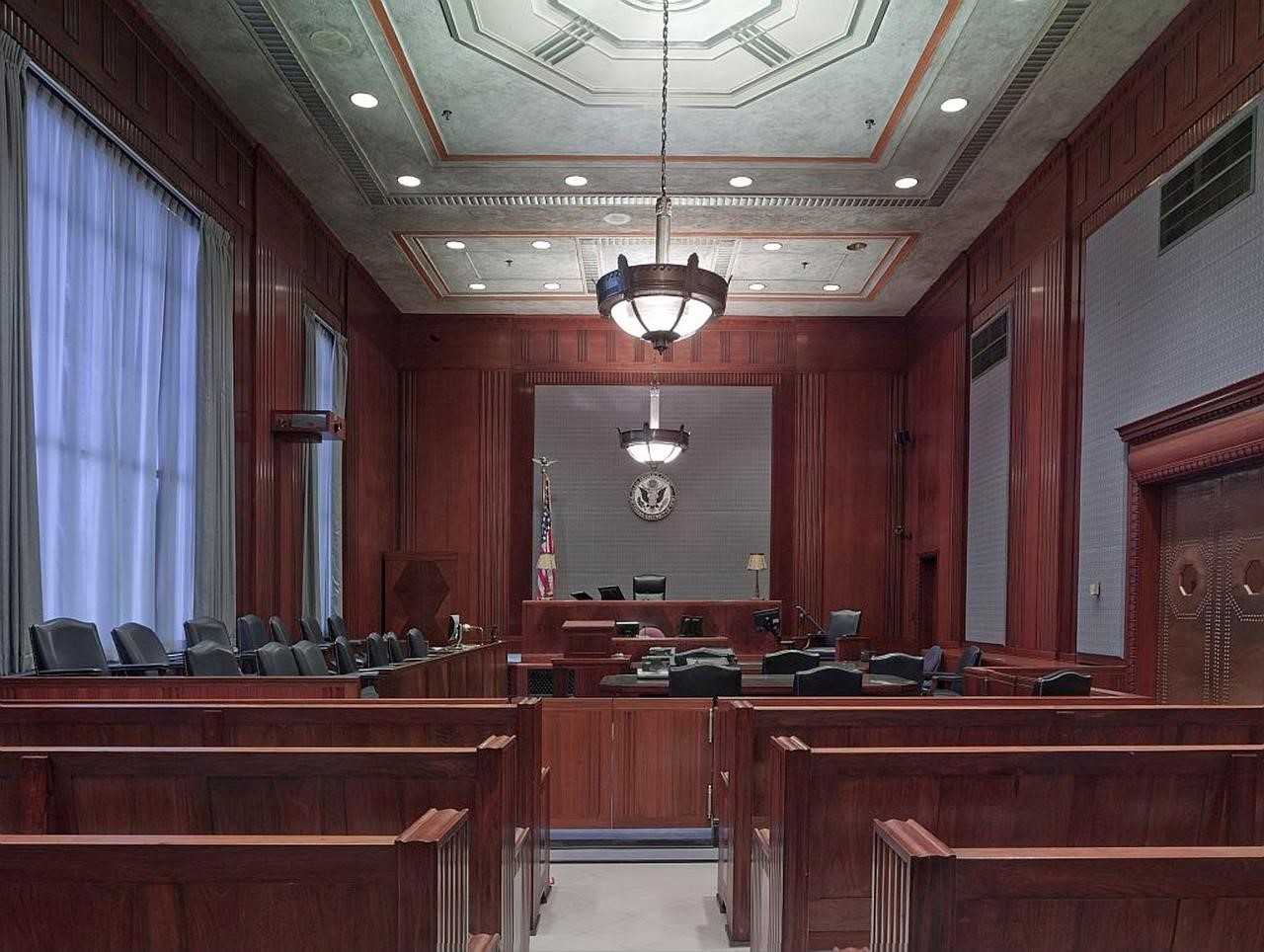
Serving on a jury is a cornerstone of the American justice system, a civic responsibility enshrined in the U.S. Constitution, and 14.4% of people are summoned each year. When citizens participate, they ensure the right to a trial by one’s peers. However, the summons often arrives at inconvenient times, leading some to wonder: what actually happens if you just don’t show up?
https://pixabay.com/photos/courtroom-benches-seats-law-898931/
The Jury Summons: Your Order to Appear
In a poll of judges, 58% said they’d noticed an increase in the number of people ignoring a jury summons. When you receive a jury summons in the mail, it’s not merely an invitation; it’s an official court order directing you to appear at a specific date and time. The summons contains instructions on how to respond. Many jurisdictions now offer online portals or phone systems to confirm attendance, request a postponement, or state a valid reason for being excused. It is crucial to respond as directed, even if you believe you cannot serve. Communication with the court is key.
Initial Consequences of Failure to Appear
If you simply don’t show up for jury duty and haven’t been officially excused or postponed, the court’s reaction can vary. Often, for a first-time failure to appear, the court may send a second summons or a “Failure to Appear” notice, sometimes with a warning from a judge. Courts often recognize that mistakes happen, mail gets lost, or legitimate emergencies arise. However, ignoring this second chance is generally unwise.
Contempt of Court: A Serious Matter
Persistently ignoring jury summonses or failing to respond to court notices can lead to being held in contempt of court. Contempt signifies disrespect for or disobedience toward the court’s authority. If you fail to appear, the court might issue an “Order to Show Cause,” requiring you to appear before a judge and explain your absence. Failure to attend this hearing can escalate the situation further, potentially leading to a bench warrant for your arrest. If this happens, contact a criminal defense lawyer.
Potential Penalties: Fines, Community Service, and Jail Time
The specific penalties for being found in contempt for skipping jury duty vary significantly depending on the jurisdiction (federal, state, county) and the circumstances. Common penalties include:
- Fines: A fine of $1,000 is possible.
- Community Service: A judge might order you to perform a certain number of hours of community service.
- Jail Time: While less common, particularly for a first offense, jail time is a possible penalty. Sentences can range from a few days (e.g., 3-5 days) up to six months in some jurisdictions, typically reserved for repeated or willful non-compliance.
- Misdemeanor Charges: In some states, intentionally failing to appear for jury duty can be classified as a misdemeanor offense.
It’s important to note that federal courts also enforce jury duty attendance.
Legitimate Excuses and Postponements
Courts understand that serving on a jury can be burdensome. There are legitimate reasons why someone might be unable to serve, such as medical issues, being a full-time student away from home, caring for a young child or dependent, extreme financial hardship, or being over a certain age (often 70 or 72). However, you must communicate these reasons to the court following the instructions on your summons before your service date. Simply not showing up is not the way to handle a legitimate conflict.
Taking your jury summons seriously is the best way to fulfill your civic duty and avoid unnecessary legal trouble.