

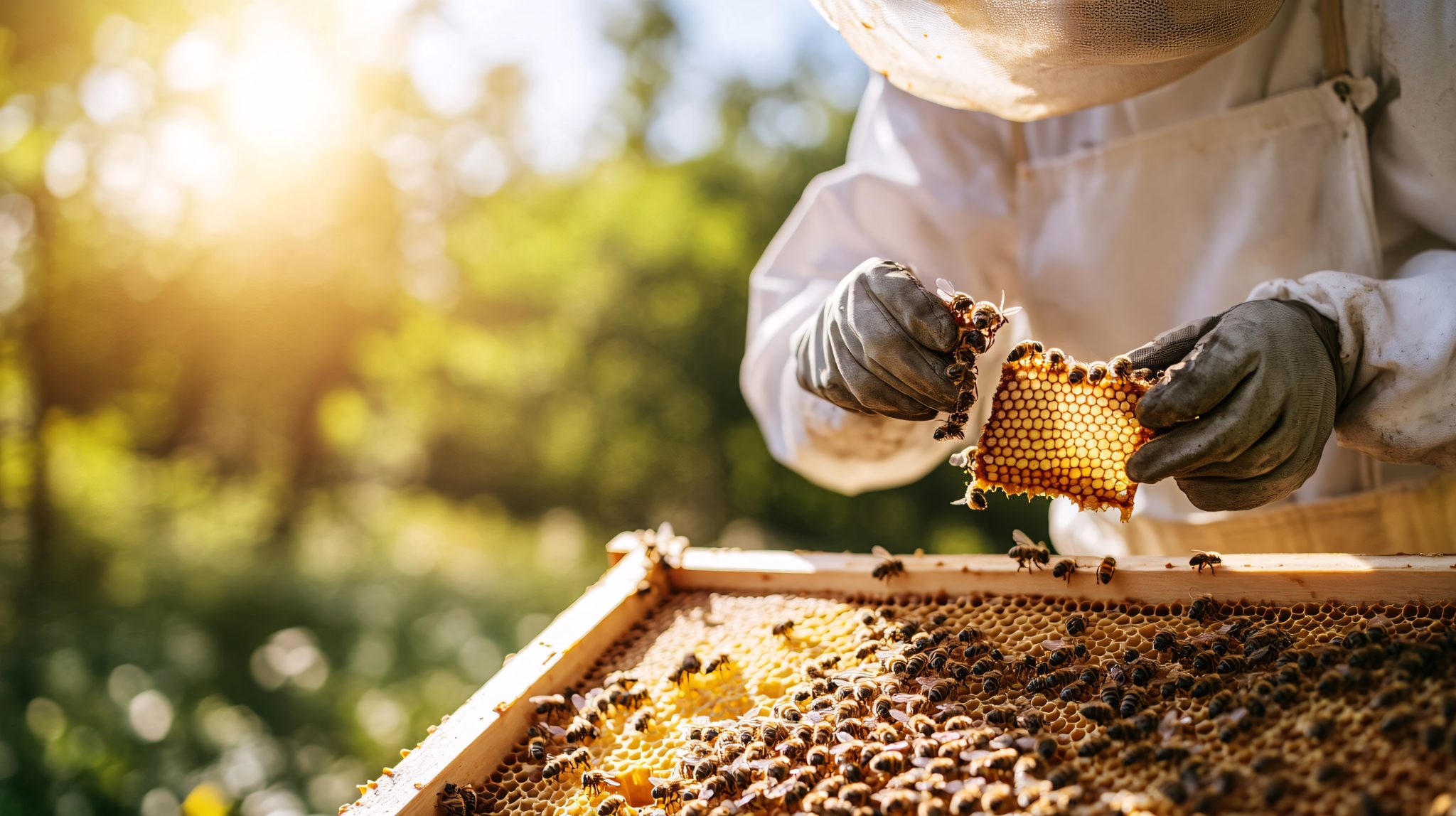
Not all honey is created equal. Two jars can appear identical on a shelf, but their contents, including taste, texture, and health benefits, can be worlds apart. The difference comes down to where the honey is sourced, how it’s processed, and what happens between the hive and your table. Finding the best hive honey takes a little knowledge, but once you know what to look for, you’ll never settle for a low-quality jar again. These five qualities separate the good stuff from everything else.
What Makes Some Hive Honey Better Than Others?
It comes down to five factors: traceable origin, minimal processing, natural texture, complex flavor, and clean production. Honey that checks all five delivers better taste, more nutritional value, and real worth for your money. Here’s what each one means.
1. True Hive Origin and Transparency
The first sign of quality honey is a clear, traceable source. Vague labels stating “blend of honeys from multiple countries” are a red flag because they indicate the product has been mixed from bulk sources with minimal quality control. Instead, look for jars that provide:
- A named beekeeper or apiary responsible for the harvest
- The specific region where the honey was collected
- A stated floral source like wildflower, clover, or manuka
- A harvest date or lot number for traceability
Trustworthy producers share these details openly, while marketing buzzwords without verifiable information should make you pause.
2. Minimal Processing (Raw, Unfiltered, Not Overheated)
The best hive honey is raw and gently warmed just enough to pour into jars, keeping its natural enzymes, vitamins, and antioxidants intact. Pasteurized honey loses most of these benefits due to high-heat processing.
Look for unfiltered or lightly strained jars that still contain traces of pollen and propolis, giving them a slightly cloudy look. Ultra-filtered honey may appear clear, but that process strips out pollen and makes origin verification impossible.
3. Natural Texture, Moisture, and Crystallization
Good honey has a thick, slow-flowing body that does not pour like water or feel thin on your tongue. That consistency comes from low moisture content, ideally around 18% or below. Higher moisture leads to faster fermentation and a shorter shelf life.
Here are three key texture markers:
- Honey that moves slowly when you tilt the jar signals proper density
- Natural, even crystallization over time confirms purity
- Varieties like acacia naturally stay liquid longer, so crystal formation varies
Most people assume crystallized honey has gone bad, but the opposite is true. If a jar never thickens or forms crystals, it has likely been heavily processed or diluted.
4. Complex Aroma and Distinctive Flavor
Quality honey has a pronounced scent the moment you open the jar. You should pick up floral, fruity, or herbal notes that match the stated botanical source. If the label says lavender but the jar smells like sugar syrup, something is wrong.
Flavor tells the same story:
- A layered taste combining sweetness with floral, herbal, or mineral undertones
- A finish that lingers on your palate and shifts as you eat it
- No burnt, metallic, or fermented off-notes
Mass-produced honey tastes flat because overheating and blending strip away natural complexity. The best hive honey always has a character you can recognize from the first spoonful.
5. Clean, Safe, and Ethically Produced
Purity matters just as much as flavor. High-quality honey is tested to be free from adulterants like corn syrup and rice syrup, which are widely used to bulk up cheaper products. On the production side, responsible beekeepers follow practices that protect both the honey and the bees:
- Avoiding overharvesting so colonies stay strong year-round
- Rotating foraging areas to reduce pesticide exposure
- Leaving bees enough of their own honey to survive winter
This produces healthier hives and better honey, which is why ethically sourced jars deliver superior purity and flavor.
How to Check These Qualities When You Buy
You don’t need a lab to spot good honey. A few simple checks at the store or at home tell you a lot:
- Read the label for a named apiary, harvest region, floral type, and batch date
- Look for “raw” and “unfiltered” instead of just “pure” or “natural.”
- Tilt the jar slowly because quality honey moves thick and steady
Once home, open the lid and smell before tasting. Real honey carries a distinct scent matching its floral source. Over the following weeks, watch for gradual crystallization as final confirmation. Specific labels with real details, noticeable aroma, and thick texture usually point to a jar worth buying.
Takeaway
Great honey comes down to five things: traceable origin, minimal processing, natural texture, complex flavor, and clean production. Know these markers, and picking the right jar becomes second nature.
Want to taste the difference? Top brands like Smiley Honey deliver raw and unfiltered honey straight from trusted apiaries to your door. Every jar is traceable, ethically sourced, and packed with natural goodness.
Try this brand once, and you won’t go back.