

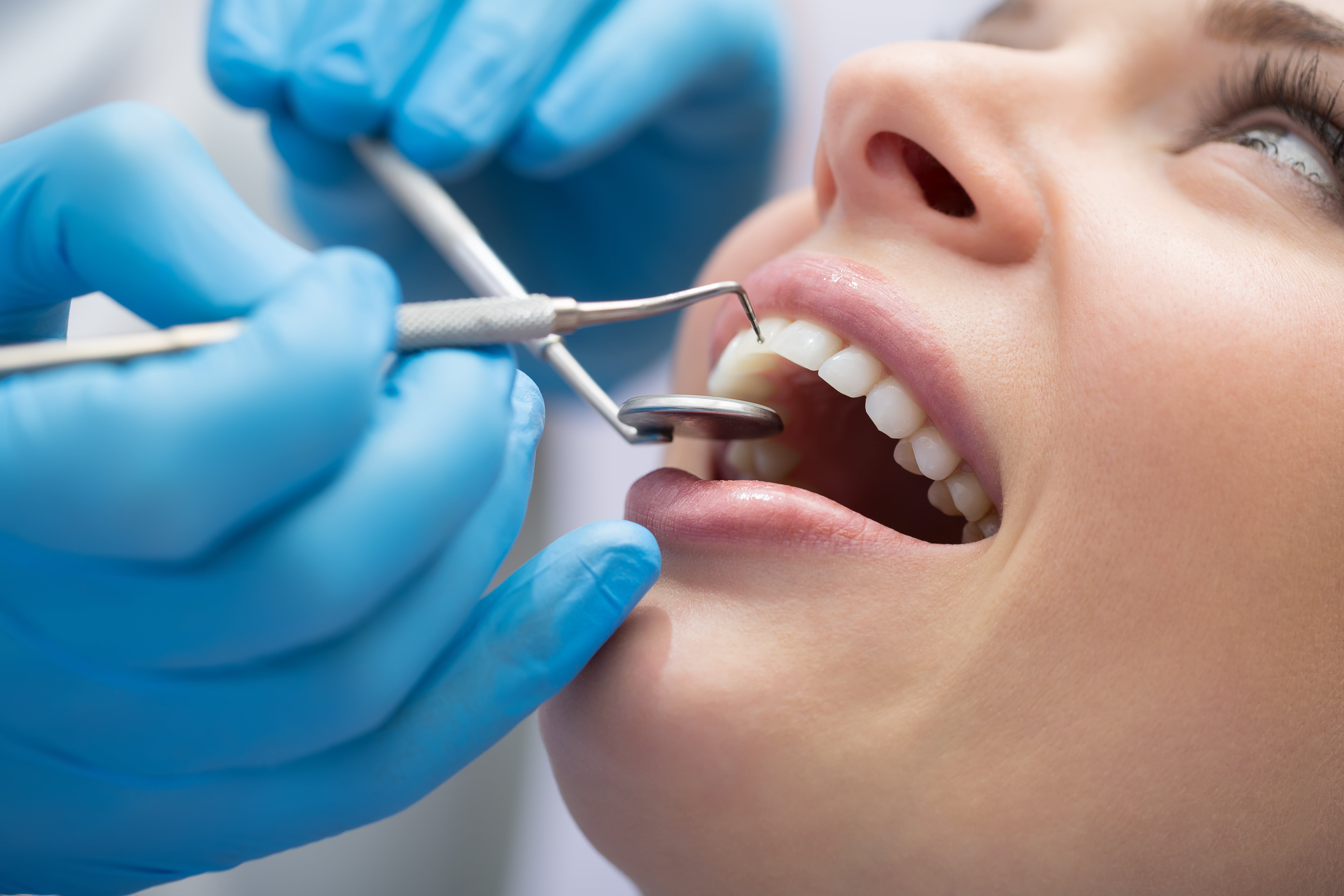
Dental emergencies are unpredictable, uncomfortable, and can be stressful. Whether you’re dealing with sudden pain or an unexpected accident, knowing how to respond quickly and effectively makes all the difference. From toothaches to injuries, this guide explains what steps to take before reaching an emergency dentist. Here’s how to handle common dental emergencies.
Manage Severe Tooth Pain
Tooth pain may strike suddenly and disrupt your day. Understanding how to manage it is key. Though some instances of tooth pain may result from temporary irritation, persistent or severe pain often signals something more serious, such as an infection. If the pain doesn’t subside, contact an emergency dentist as soon as possible.
Start by gently rinsing your mouth with warm water to flush out any irritants. Use dental floss to remove food particles stuck between your teeth, as these might cause discomfort. Avoid biting down on the affected area to reduce further irritation. Over-the-counter pain medications help temporarily relieve discomfort but avoid placing aspirin directly on your gums, as this may irritate the tissue.
Handle Knocked-Out Teeth
A knocked-out tooth, also known as an avulsed tooth, is among the most severe dental injuries. Acting quickly increases the chances of saving your tooth.
If your tooth has been knocked out:
- Rinse the tooth gently with water. Avoid scrubbing or touching the root to prevent further damage.
- Try to place the tooth back into its socket, making sure you face it correctly. Hold it gently but firmly in place.
- If reinsertion isn’t possible, store the tooth in a container of milk or saliva. This helps keep it moist and protects the root.
Reach out to an emergency dentist immediately. Time is pivotal because saving a tooth often depends on getting medical attention within 30 minutes to an hour.
Address Broken or Cracked Teeth
Broken or cracked teeth can result from biting something hard, a fall, or other accidents. Minor chips may not cause immediate pain, but cracks or breaks can expose the tooth’s nerves and lead to extreme sensitivity. If left untreated, the damage may worsen and lead to further complications.
Begin by rinsing your mouth with warm water to clean the area. If swelling occurs, apply a cold compress to your face near the injury to reduce inflammation and discomfort. Save any fragments of the broken tooth you can find and bring them with you to the dentist. Avoid chewing on hard or crunchy foods until you’ve seen your emergency dentist. Even small breaks worsen without professional care, so prompt attention is always recommended.
Steps for Other Common Dental Issues
Dental emergencies can take many forms, and preparation matters. Below are some additional tips for other common situations:
- Lost Fillings or Crowns
Over-the-counter dental cement can temporarily secure a lost crown or filling. You should see your dentist for permanent repair.
- Objects Stuck Between Teeth
Use dental floss to dislodge objects gently. Avoid sharp tools, as they may damage your gums.
- Soft Tissue Injuries (lips/tongue)
Rinse your mouth with warm, salty water. Apply gentle pressure with a clean cloth or gauze to stop bleeding.
Finding an Emergency Dentist
Dental emergencies require swift action and an understanding of what to do at the moment. Managing pain, avoiding further damage, and seeking professional help should be your main priorities. Having the contact number of a trusted emergency dentist helps give peace of mind when the unexpected occurs. If you or a loved one experiences a dental emergency, don’t wait. Contact your local emergency dentist for professional care to protect your smile.