

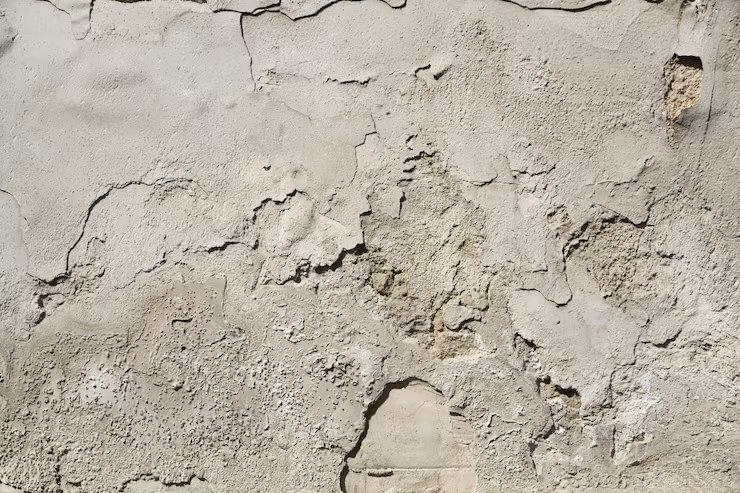
Florida homes deal with a lot. Salt air, relentless humidity, summer storms, and wide temperature swings throughout the year — all of it takes a toll on exterior surfaces. Stucco is one of the most popular exterior finishes in the state, but it’s not immune to the forces that Florida throws at it. The good news is that damage caught early is almost always easier and less expensive to address than damage that’s been ignored for a season or two.
If you’re in the Bradenton area, understanding what to look for — and when to act — can save you from a costly renovation down the line.
Why Stucco Fails in Florida’s Climate
Stucco is durable, but it’s a porous material. When water finds its way in through a hairline crack and then the Florida heat dries it out rapidly, the repeated expansion and contraction cycle widens that crack over time. This is one of the most common causes of surface deterioration in the region, and it affects both new and older homes.
There’s also the issue of improper installation. Not every contractor follows the correct layering process, and when the finish coat, base coat, or waterproof membrane isn’t applied correctly, moisture problems appear within a few years — sometimes sooner.
Common Warning Signs to Watch For
You don’t need a construction background to recognize most stucco problems. Keep an eye on these:
- Hairline cracks — thin cracks that run diagonally from window and door corners — are almost always stress-related and are the most frequent issue homeowners notice first.
- Bubbling or blistering — When the surface puffs outward slightly, it typically indicates moisture has become trapped beneath the finish layer.
- Staining and discoloration — Brown or rust-colored streaks often indicate water infiltration around metal fixtures or in areas where the mesh beneath has started to corrode.
- Soft or hollow spots — If a section sounds hollow when tapped lightly, the stucco may have delaminated from the underlying surface. This requires prompt attention.
- Efflorescence — A white, chalky powder forming on the surface is a sign that water is moving through the material and depositing mineral salts on the exterior.
Any one of these signs by itself may seem minor, but they usually point to a moisture-related problem that won’t improve on its own.
Why Bradenton Homes Need Particular Attention
Bradenton’s proximity to the Gulf means homes here are consistently exposed to higher humidity and salt-laden air compared to properties further inland. Salt is corrosive to the materials embedded in stucco systems — including the metal lath that gives the surface its structural support. When that lath starts to rust, the problem goes well beyond a cosmetic blemish.
Homeowners who have older homes or haven’t had their exterior inspected in several years should consider a visual inspection as part of their regular maintenance routine, especially after hurricane season.
What the Repair Process Actually Looks Like
Many homeowners put off repairs because they assume the process will be disruptive. In most cases, it isn’t. Hairline cracks and small sections of damage are typically patched, sealed, and textured to match the surrounding surface in a single visit. Larger areas that have delaminated or show structural moisture damage take more time and planning, but even those projects are manageable when addressed before the damage spreads.
Professionals who specialize in stucco repair in Bradenton, FL understand the specific material and climate conditions at play here. They can assess what’s cosmetic versus what’s structural, and recommend the right repair method for the situation.
A Note on DIY Repairs
Bagged stucco patches are available at hardware stores, and for very minor surface scratches, a temporary fix may hold. But matching texture and color on a home exterior is a skill — and a bad patch job often looks worse than the original crack. More importantly, a surface patch over a moisture problem just masks the symptom. If water has penetrated behind the stucco layer, sealing the surface without addressing the underlying cause can accelerate hidden damage.
For anything beyond a shallow cosmetic scratch, a professional assessment is worth the time.
Final Thought
Your home’s exterior is the first line of defense against the elements. A small crack today can become a water intrusion problem next rainy season. If you’ve noticed anything unusual on your exterior walls — even something that seems minor — it’s worth getting a professional opinion before the problem grows. Early action almost always means lower costs and less disruption.