

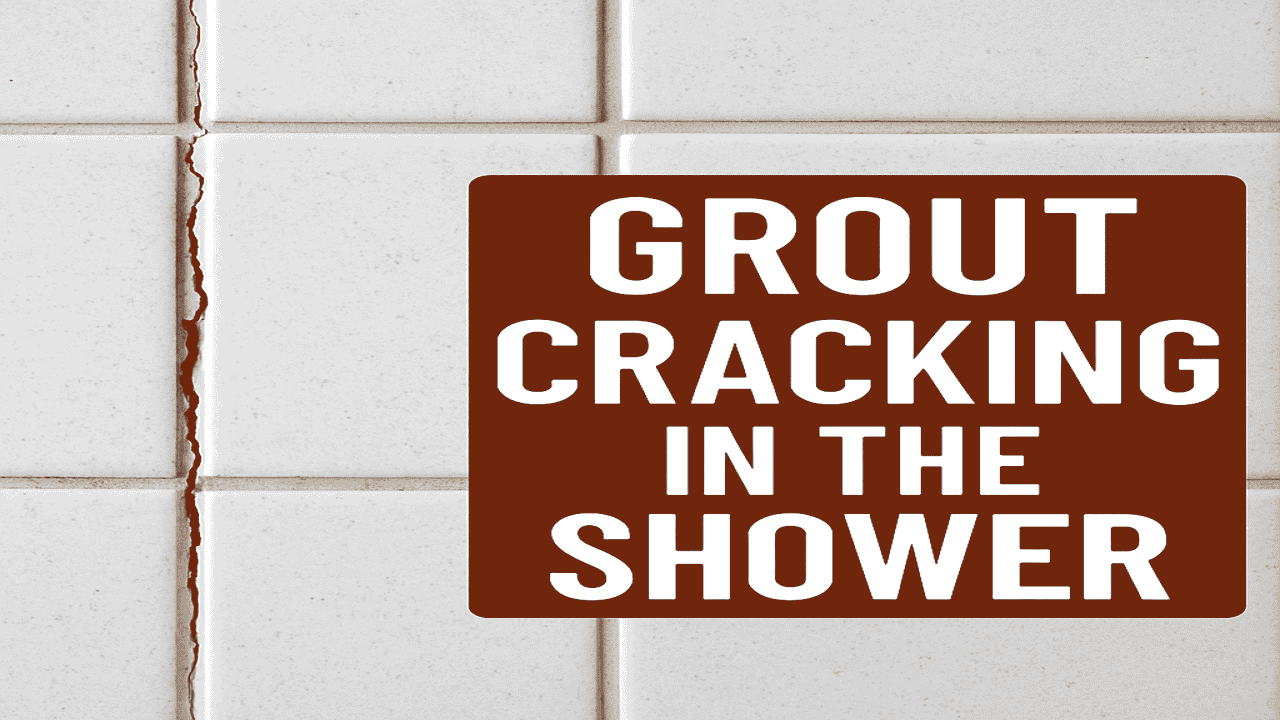
Now, don’t start thinking your contractor cut corners just yet. Grout cracking is a lot more common than you’d expect—and there’s usually a reason (or five). Some are fixable. Some preventable. And most of them won’t require gutting your bathroom. Let’s break it down in plain English.
This Isn’t Just Happening to You
Seriously, it’s not just your shower. Grout cracking after installation is practically a rite of passage in homeownership. Sometimes it’s an issue with the materials. Sometimes it’s movement behind the scenes. Other times? It’s just… bad luck and bad timing.
But knowing why it happens can help you fix it—and stop it from getting worse.
1. Shrinkage Is a Real Thing (and It’s Annoying)
Grout, especially the cement-based kind, shrinks as it dries. That’s just how it works. It loses water, tightens up, and sometimes pulls itself apart in the process.
Now, if the installer added too much water or didn’t give it enough time to cure? Cracks. If the air was too hot and humid? More cracks.
It doesn’t mean your grout was terrible—it just means the mix or the conditions were a bit off.
Heads up: That watery look when mixing? Not ideal. Grout should be thick like peanut butter, not runny like pancake batter.
2. Movement in the Walls or Floor? Yup, That’ll Do It
Your home is always shifting. Even brand-new builds move as they settle into the earth. If your walls or subfloor have the slightest bit of give, that tension transfers right to the tile—and your poor grout lines pay the price.
You might not notice it, but your house flexes with temperature changes, humidity, or even a passing truck. And grout? Grout’s stiff. It doesn’t like to bend.
Pro tip: Corners and joints where two surfaces meet should never be filled with grout. Use silicone caulk. It can stretch and won’t crack under pressure.
3. Temperature Swings = Grout’s Worst Nightmare
Showers are basically mini-saunas. One minute they’re dry and cool, the next they’re hot and steamy. All that heating and cooling causes expansion and contraction, especially in tile, drywall, and adhesive materials.
And you guessed it—grout doesn’t like being stretched and shrunk all the time. It gets tired. It cracks.
You might notice:
Cracks pop up after long, hot showers
Seasonal changes make them worse
Cracks cluster near windows or heating vents
What helps: Use a grout sealer to protect it from absorbing moisture, and always caulk edges and corners to give the whole system room to breathe.
4. Wrong Grout for the Job
Not all grout is created equal. The type of grout used needs to match the tile spacing and the shower environment.
Let’s keep it simple:
Sanded grout: Good for wider joints (1/8” or more)
Unsanded grout: For tight, narrow lines
Epoxy grout: Tough stuff, water-resistant, but hard to work with
Premixed grout: Convenient, but hit-or-miss for wet areas
You wouldn’t use drywall mud in a brick wall, right? Same logic applies here. The wrong grout in the wrong place is just a ticking time bomb.
Mistake to avoid: Using unsanded grout in wider joints. It just won’t hold up and starts to fall apart under stress.
- Installation Errors Happen (Even to the Pros)
No shade to contractors—mistakes happen. But tile and grout are a bit like cake and frosting. If the base isn’t solid, the top layer’s gonna crack.
Poor adhesion, uneven tile spacing, or skipping important steps like expansion gaps can all leave the grout holding more stress than it should. And eventually? Snap.
You’ll usually see:
Consistent, repeating cracks between rows
Grout crumbling more in one section than others
Tiles sounding hollow when tapped
What to do: For minor cases, re-grouting could work. For deeper issues, it may take re-bonding or even re-installing tiles. Annoying? Yes. But necessary.
What You Can Do to Keep Grout from Cracking Again
Grout may be annoying, but it’s not your enemy—it’s just fussy. A few smart choices during installation and maintenance can go a long way.
Here’s how to stay ahead of the cracking game:
Don’t cheap out on materials. Buy quality grout and caulk.
Let grout cure fully. No hot showers for at least 48 hours after installation.
Always caulk edges and transitions. Grout has no business being in corners.
Seal grout once it’s cured, and re-seal once a year.
If you’re DIY-ing it, mix it right and apply with care. No shortcuts.
Bonus tip: If your shower’s big or oddly shaped, ask about expansion joints. They’re basically stress relievers for your tile.
Already Have Cracks? Here’s What to Do
If you’re staring at cracked lines every time you shower, here’s how to fix it depending on the severity:
Hairline cracks:
Clean the area with mild soap and water
Use a grout pen or color-matching sealer to mask and protect
Keep an eye on it to make sure it doesn’t spread
Moderate cracks:
Remove damaged grout with a manual tool or oscillating saw
Re-grout carefully, following proper mix and application guidelines
Let cure fully, then seal it
Cracks in corners or joints:
Take out the grout (if any was used—oops!)
Replace with color-matched 100% silicone caulk
A True Story You’ll Relate To
One homeowner told me she redid her shower for her anniversary—tiles, fixtures, the whole nine yards. Three weeks later, she found a crack running along the base. Her contractor had used regular grout in a spot that needed flexible caulk.