

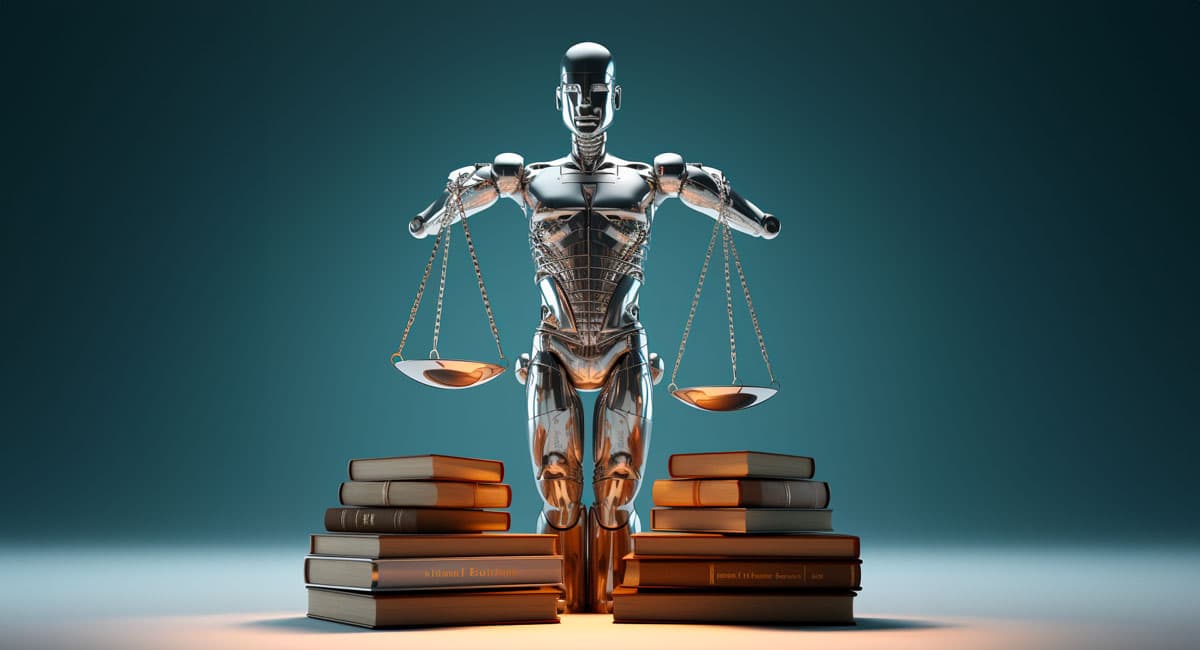
There’s a quiet assumption people make about artificial intelligence: that it’s neutral. Fair. Pure logic. But anyone who’s built, deployed, or even just observed AI systems closely will tell you otherwise. These models are trained in the world, and the world, frankly, isn’t neutral. So why do we expect our machines to be?
The issue of AI bias isn’t a future problem. It’s already here, already baked into the systems guiding hiring, lending, policing, and advertising. We see it in credit scoring systems that under-rank minority applicants, or job-screening tools that quietly prefer male candidates. The worst part? Often, no one notices until damage has already been done.
It Starts with the Data, But Doesn’t End There
The most common cause of biased output? Predictably, it’s the data. Data bias creeps in when training sets skew too far toward one demographic or historical precedent. Think about facial recognition systems that fail to detect darker-skinned faces—it’s not because the algorithm is “racist,” but because it was trained mostly on lighter-skinned ones.
Labeling plays a role too. Humans tag training data with categories like ‘qualified’ or ‘unqualified,’ ‘threat’ or ‘non-threat,’ based on their judgment—a process where data analytics & AI services assist through bias-aware annotation and human-in-the-loop validation to reduce subjectivity and improve fairness.
Then there’s the algorithm itself. You’d think the math would be immune to bias—but choices made during model training matter. How the model learns, what it’s told to optimize for, what gets rewarded or penalized… these all shape the outcome. Without algorithmic transparency, it’s hard to understand whether the model is picking up insights—or just echoing prejudice.
Why Can’t You Afford to Ignore It?
The moral argument is obvious: biased AI can hurt people. But there’s also a business case for caring.
Regulators aren’t sitting idle. In Europe, the AI Act is laying down real expectations about accountability and risk. In the U.S., states like Illinois and California are drafting their own rules. If your model makes a harmful decision—especially in finance, health, or employment—you may be liable.
And then there’s reputation. One biased system exposed in the wild can collapse years of goodwill. You don’t want your company name in a headline next to “discriminatory algorithm.” That’s not just PR damage—it’s user distrust, investor concern, and possibly litigation.
Internally, there’s a cultural cost, too. If your employees know your AI systems are flawed, they’ll lose faith in leadership. Especially now, as more tech workers are speaking out about responsible innovation. Building ethical AI isn’t about virtue signaling—it’s about credibility.
Can You Catch Bias Before It Goes Public?
Yes. But you have to be proactive.
One common approach is bias audits. Not the checkbox kind—real statistical analysis of how different groups are treated by your system. If an insurance model rates one ethnicity as higher risk, that’s not just bad for optics. That’s structural bias in action.
Another route is explainability. A model that tells you what drove a prediction—age, location, income bracket—gives you room to intervene. If your tool’s rejecting female applicants for jobs because of resume gaps, and those gaps align with maternity leave… well, now you know. And you can fix it.
But here’s the catch: none of this is possible without algorithmic transparency. If your system is a black box, how will you ever spot a red flag?
How to Begin Fixing the Problem?
The temptation is to patch things after deployment. That’s a mistake. You need to start early.
Reexamine your data pipelines. Who’s in the dataset? Who isn’t? If your AI is making decisions about people, those people need to be reflected in the training materials. Not just represented—but meaningfully so.
Incorporate fairness constraints directly during model training. That means defining what fairness means for your use case—equal false positive rates, perhaps, or demographic parity—and baking that into the objective.
And—this one’s overlooked—hire people from different backgrounds to build your systems. It’s not about tokenism. It’s about spotting blind spots. Diverse teams are more likely to ask questions others miss.
Fairness in AI isn’t a magic switch. It’s a design philosophy. One that takes effort, argument, and sometimes uncomfortable conversations.
Regulations Are Coming. Be Ready Before They Knock
It’s not enough to care about fairness—you’ll have to prove it. With documentation. With review processes. With measurable outcomes.
The compliance wave is rising. And it’s not just government. Investors, enterprise clients, even job candidates are starting to ask: how ethical is your AI?
Companies that take ethical AI seriously now will be better positioned later. Not just because they’ll avoid fines, but because trust sells. Customers want to know the systems they interact with won’t treat them differently for the wrong reasons.
That’s what fairness in AI looks like in practice: accountability at every level.
What Bias in AI Really Tells Us?
Here’s the uncomfortable truth: AI bias is not a glitch. It’s a mirror. It reflects the data, the processes, and the priorities of the people who build it. If your system is biased, that’s not a mystery. It’s a message.
Fixing it isn’t about achieving some perfect neutrality. That doesn’t exist. It’s about being honest about who’s at the table, who’s in the training data, and who benefits from the outcomes.
Bias isn’t just a technical problem. It’s a human one. And if we can build models smart enough to beat humans at Go and predict protein structures, surely we can build systems that treat people fairly.
But only if we choose to.