

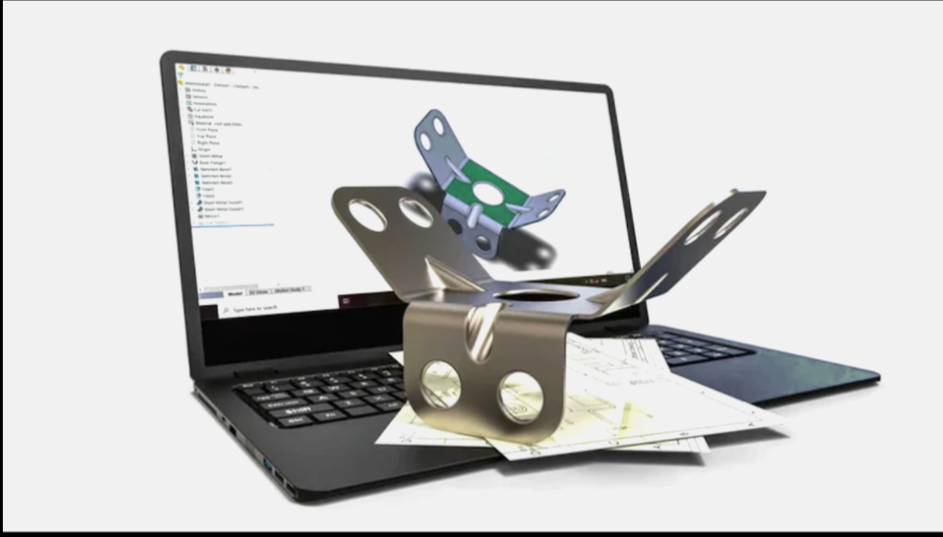
Starting an online sheet metal fabrication business requires a combination of industry expertise and modern e-commerce strategies. Here’s a simplified yet detailed guide, focusing on the five key steps to launch and grow your business successfully.
1. Conduct Market Research and Choose Your Niche
Before launching, thorough market research is essential to understand the industry’s demand, competitors, and pricing trends.
Industry research. Study the market to identify key industries that rely on these services (e.g., automotive, aerospace, construction, HVAC). Explore the demand for custom parts, prototypes, and small-batch orders, and keep an eye on trends in material preferences (such as aluminum, steel, and copper).
Choose a specific area of focus within the sheet metal niche. For example, you might focus on custom prototyping, small-volume orders, or specific product categories such as HVAC components or automotive parts. Niche markets allow you to differentiate your business and serve a targeted customer base.
Identify your ideal customers. Are you aiming at local contractors, small businesses, or larger corporations? Tailor your offerings to meet the specific needs of these groups, whether that’s providing fast turnaround for prototypes or offering cost-effective batch manufacturing.
2. Create a Business Plan
A solid business plan helps guide your operations and prepares you for the challenges ahead.
Service offerings: Clearly define the sheet metal fabrication services you will offer, such as laser cutting, bending, welding, finishing, or even end-to-end fabrication (from design to final product). Consider the level of service you want to provide and whether you will focus on one area or offer a comprehensive solution.
Revenue model: Determine your revenue streams. Will you focus on made-to-order parts, bulk manufacturing, or offering design consultation services? This will help you understand your pricing structure and customer expectations.
Financial projections: Estimate your startup costs, including equipment (machinery, software), website development, and marketing. Predict ongoing operational expenses and establish a break-even point. Include an analysis of expected pricing, profit margins, and how long it will take to reach profitability.
SWOT analysis: Perform a SWOT analysis to assess your strengths (e.g., technical expertise, specialized services), weaknesses (e.g., high initial capital investment), opportunities (e.g., increasing demand for custom parts), and threats (e.g., market competition, potential supply chain disruptions).
3. Set Up Legal and Operational Foundations
Ensure your business complies with legal requirements and has the necessary operational infrastructure to run smoothly.
Business structure: Choose the right legal structure for your business, such as an LLC (Limited Liability Company) or a corporation. An LLC provides personal liability protection while allowing flexibility in management.
Licenses and permits: Obtain the necessary business licenses required by your local regulations, such as a general business license. Depending on your location and the nature of your operations, you may also need environmental permits related to waste disposal or emissions.
Insurance: Protect your business by securing appropriate insurance, including liability insurance to cover any potential accidents and workers’ compensation if you plan to hire employees.
Equipment and safety: Invest in essential fabrication tools, such as laser cutters, CNC machines, MIG or MAG welding machines, and finishing equipment. Ensure you comply with OSHA standards by providing personal protective equipment (PPE) for workers, such as gloves, goggles, and ear protection.
4. Build an E-Commerce Website and Marketing Strategy
Your website is your primary sales channel, so it’s essential to build a professional and user-friendly platform that attracts customers.
Website development: Develop a website that communicates your services, showcases your portfolio, and offers an intuitive user experience. Include detailed pages for each process (e.g., cutting, bending, welding) and highlight the types of projects you handle. Consider adding customer testimonials and a gallery of past work.
Instant quoting tool: Implement an instant quoting tool on your website. This allows customers to upload CAD files, select materials, and receive immediate price estimates. An easy-to-use quoting system can streamline the customer experience and accelerate decision-making.
SEO optimization: Optimize your website content with relevant keywords such as “custom sheet metal fabrication online” or “online metal fabrication services.” This will help your website rank higher in search engine results, driving organic traffic.
Payment integration: Integrate secure payment gateways like PayPal and Stripe to ensure smooth transactions for your customers. These systems will also help you manage payments efficiently and securely.
Marketing strategy: Use content marketing to build authority in your niche. Publish blog posts, tutorials, or case studies that demonstrate your expertise in sheet metal fabrication. Additionally, use social media platforms such as LinkedIn (for B2B marketing), Instagram, and Pinterest (for showcasing completed projects) to attract potential customers. Invest in paid ads (e.g., Google Ads or Facebook Ads) to reach a broader audience and target specific keywords.
5. Streamline Operations and Focus on Scaling
Once your business is up and running, focus on operational efficiency and scaling to meet growing demand.
Order management: Use project management tools like Trello, Asana, or Zoho Projects to manage customer orders, track progress, and communicate with your team. This ensures that all orders are completed on time and with minimal errors.
Customer support: Set up a live chat, email, or phone support to address customer questions quickly. Good customer support is essential for building trust and encouraging repeat business. Consider implementing a ticketing system for efficient handling of inquiries.
Automation: As your business grows, consider automating repetitive tasks such as quoting, inventory management, or even certain parts of the fabrication process (e.g., robotic welding). Automation can reduce costs and improve overall efficiency.
Quality control: Implement strict quality control procedures to ensure every product meets industry standards. This can include regular inspection checklists, certifications, or third-party audits. Providing quality assurance reports can help build customer trust and demonstrate your commitment to high standards.
Scaling: Once you’ve established a steady stream of orders, look for opportunities to scale your business. Consider expanding your service offerings to include complementary services like 3D printing or assembly. Explore international markets by localizing your website and partnering with global logistics companies to expand your customer base.