

## Introduction
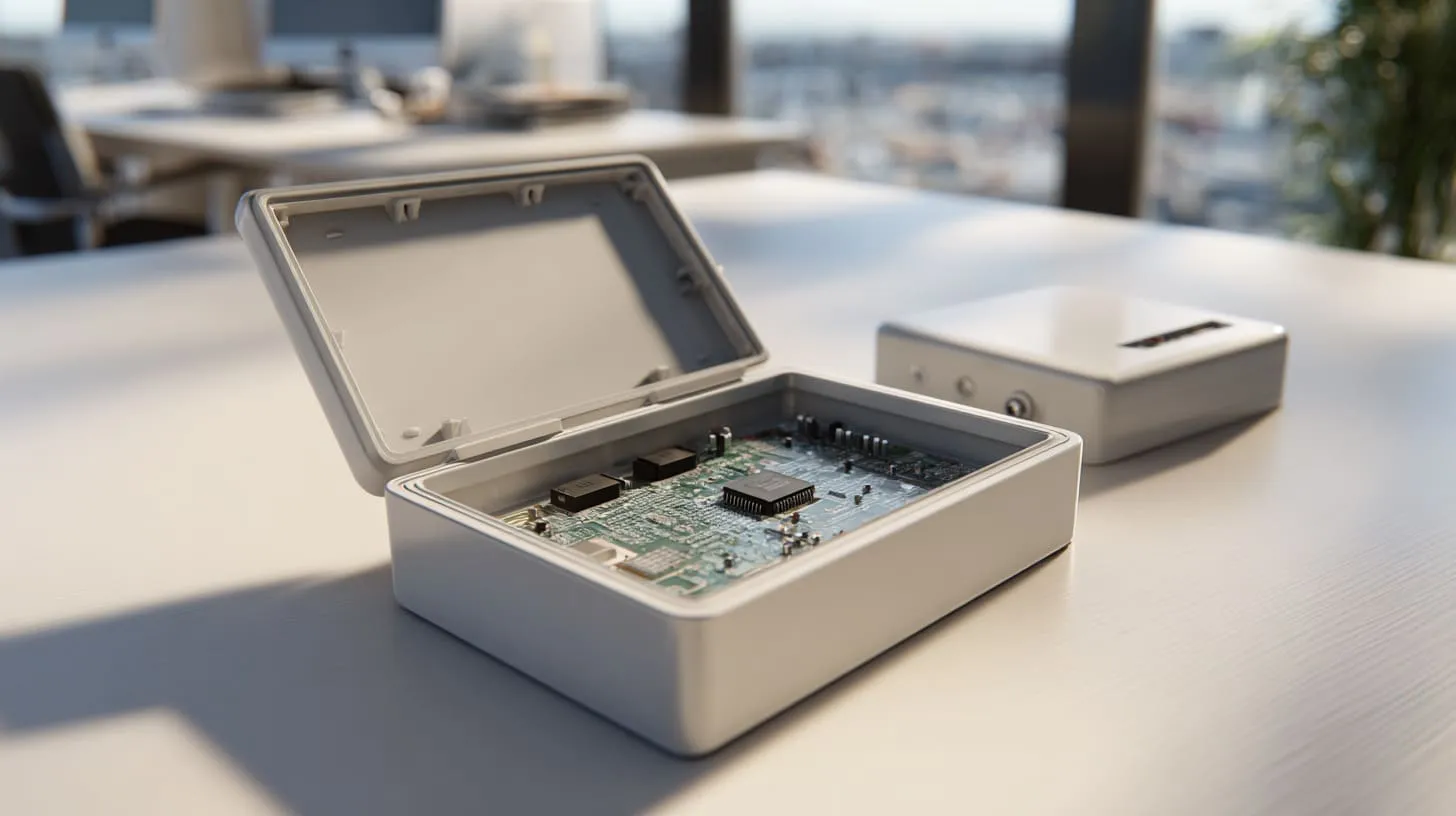
Every electronic device needs protection. Whether you are building a small DIY project or manufacturing industrial equipment, choosing the right case is important. A strong enclosure protects sensitive parts from dust, moisture, impacts, and everyday wear. One of the most popular choices today is the abs plastic enclosure because it is durable, lightweight, and affordable.
Many industries use plastic enclosures for electrical systems, communication devices, automation equipment, and consumer electronics. They offer a reliable way to keep internal components safe while maintaining a clean and professional appearance.
This guide explains why ABS is a trusted material, its benefits, common applications, and how to choose the right enclosure for your project.
## What Is an ABS Plastic Enclosure?
An ABS plastic enclosure is a protective housing made from Acrylonitrile Butadiene Styrene (ABS). This engineering plastic is known for its excellent strength, impact resistance, and long service life.
ABS combines three materials that give it unique properties:
- Acrylonitrile improves chemical resistance.
- Butadiene adds toughness and impact resistance.
- Styrene creates a smooth and attractive finish.
Because of these qualities, ABS has become one of the most widely used materials for plastic enclosures across many industries.
## Why ABS Is a Popular Material
Manufacturers prefer ABS because it offers the perfect balance between performance and cost.
Some key advantages include:
Excellent Strength
ABS can handle accidental drops and daily impacts without cracking easily. This makes it ideal for electronic products used in homes, offices, and factories.
Lightweight Design
Compared to metal housings, an ABS plastic enclosure weighs much less. This reduces shipping costs and makes installation easier.
Affordable Solution
ABS is less expensive than many other engineering materials while still providing outstanding protection.
Easy to Machine
It is simple to drill, cut, or modify ABS enclosures for connectors, switches, displays, and cable openings.
Professional Appearance
ABS has a smooth surface that looks clean and modern. It can also be painted or customized with logos and labels.
## Main Benefits of Plastic Enclosures
Modern plastic enclosures provide many advantages over traditional metal boxes.
Electrical Insulation
Plastic does not conduct electricity. This reduces the risk of electric shock and improves user safety.
Corrosion Resistance
Unlike metal, plastic does not rust. It performs well in humid environments and outdoor installations.
Chemical Resistance
Many chemicals, oils, and cleaning products have little effect on ABS, making it suitable for industrial applications.
Simple Installation
Plastic enclosures are easier to mount because of their lower weight.
Lower Maintenance
They require very little maintenance and maintain their appearance for years.
## Common Applications of ABS Plastic Enclosures
An ABS plastic enclosure can be found in countless products across different industries.
Consumer Electronics
Many electronic gadgets use ABS housings, including:
- Smart home controllers
- Wi-Fi routers
- Charging stations
- Audio equipment
Industrial Automation
Factories use plastic enclosures to protect:
- PLC controllers
- Power supplies
- Sensor systems
- Control panels
Medical Equipment
Medical devices often require lightweight, clean, and durable housings. ABS is commonly used because it offers excellent protection while being easy to clean.
Telecommunication Systems
Communication equipment needs protection from dust and accidental damage. ABS enclosures help keep sensitive electronics secure.
DIY Electronics
Hobbyists frequently choose ABS because it is easy to customize for Arduino, Raspberry Pi, and other electronic projects.
## ABS Plastic Enclosure vs Metal Enclosures
Choosing between plastic and metal depends on your application.
Weight
An ABS plastic enclosure is much lighter than aluminum or steel.
Cost
Plastic is generally more affordable than metal.
Rust Resistance
Plastic never rusts, while metal may require protective coatings.
Electrical Safety
Plastic naturally insulates electricity, reducing safety risks.
Customization
ABS is easier to drill, cut, and modify without specialized tools.
Metal enclosures remain useful for applications requiring high heat resistance or electromagnetic shielding, but plastic enclosures are often the better option for standard electronic equipment.
## Features to Look for When Buying Plastic Enclosures
Not every enclosure is the same. Before purchasing, consider these important features.
Correct Size
Choose an enclosure that provides enough room for all electronic components while allowing space for wiring and ventilation.
IP Rating
If the enclosure will be used outdoors, check its IP rating.
Common ratings include:
- IP54 for dust and splash protection
- IP65 for water jets
- IP67 for temporary water immersion
Mounting Options
Some plastic enclosures include wall mounting brackets, DIN rail compatibility, or panel mounting features.
Material Thickness
Thicker walls improve impact resistance and increase durability.
Cover Design
Enclosures may have:
- Screw-on lids
- Hinged covers
- Transparent windows
- Snap-fit designs
Choose the design that best suits maintenance and accessibility needs.
## Industries That Depend on ABS Plastic Enclosures
Many industries rely on ABS plastic enclosure products every day.
These include:
- Electrical engineering
- Renewable energy
- Home automation
- Security systems
- Automotive electronics
- Agriculture
- Robotics
- Internet of Things (IoT)
- Manufacturing
- Laboratory equipment
The wide range of applications demonstrates how versatile plastic enclosures have become.
## Tips for Maintaining Plastic Enclosures
Proper care helps an enclosure last even longer.
Follow these simple maintenance tips:
- Clean with a soft cloth.
- Avoid harsh solvents that may damage the surface.
- Check seals regularly for outdoor installations.
- Tighten mounting screws if they become loose.
- Inspect cable openings to ensure proper sealing.
Routine maintenance keeps the enclosure looking new while protecting valuable electronics.
## Environmental Benefits of ABS Plastic
Many manufacturers now focus on sustainability.
ABS offers several environmental advantages:
- Long service life reduces waste.
- Lightweight products lower transportation emissions.
- Some ABS materials can be recycled.
- Durable construction decreases replacement frequency.
As recycling technologies improve, ABS continues to become a more environmentally responsible choice.
## How to Choose the Right ABS Plastic Enclosure
Before making a purchase, ask yourself a few important questions.
- Will the enclosure be used indoors or outdoors?
- Does it require waterproof protection?
- How much internal space is needed?
- Will additional holes be drilled?
- Does it need a transparent cover?
- Will the enclosure face chemicals or extreme temperatures?
Answering these questions helps you select the best ABS plastic enclosure for your application.
## Future Trends in Plastic Enclosures
Technology continues to improve enclosure design.
Future developments include:
- Smarter cooling systems
- Improved waterproof sealing
- UV-resistant materials
- Flame-retardant ABS options
- Eco-friendly manufacturing
- Modular enclosure designs
- Better cable management features
These innovations will make plastic enclosures even more reliable for modern electronics.
## Conclusion
Choosing the right enclosure is one of the most important decisions when protecting electronic equipment. An ABS plastic enclosure provides an excellent combination of strength, lightweight construction, affordability, and long-lasting performance. It protects sensitive electronics while offering easy customization and a clean, professional appearance.
Whether you work in industrial automation, telecommunications, medical equipment, consumer electronics, or DIY electronics, plastic enclosures offer a dependable solution for keeping valuable components safe. By selecting the correct size, protection rating, and design, you can improve the lifespan and reliability of your equipment while reducing maintenance costs. For projects that require durable, cost-effective protection, an ABS plastic enclosure remains one of the smartest choices available today.