

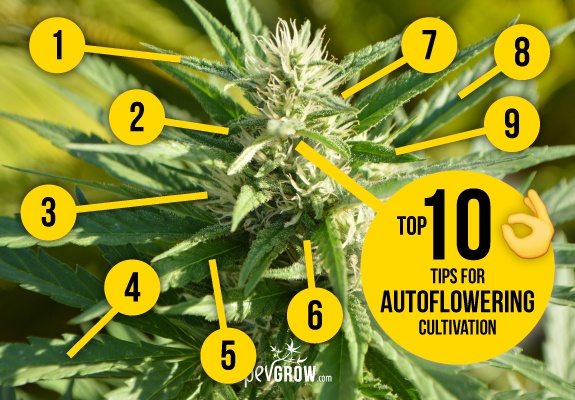
Autoflowering cannabis has become a popular choice for home growers due to its unique growing characteristics and ease of cultivation. Unlike traditional photoperiod strains that rely on specific light cycles to flower, autoflowering varieties bloom automatically, making them a convenient option for those looking to streamline their growing process. In this guide, we’ll explore five essential tips for successfully growing autoflowering cannabis at home. These tips are designed to help you maximize the potential of your autoflower plants, ensuring a healthy and bountiful harvest.
1. Choose the Right Seeds
The journey to growing successful autoflowering cannabis begins with the selection of the right seeds. Quality auto flower seeds are vital, as they set the genetic foundation for your plants. It’s important to source your seeds from reputable seed banks or suppliers who are known for their high-quality genetics. Autoflowering strains are diverse, offering a range of flavors, potencies, and growth characteristics. When choosing a strain, consider factors such as the size of the plant, flowering time, and the type of effect you desire. Additionally, take into account your climate and growing space, as some strains may be more suited to certain environments than others.
2. Optimize Your Light Setup
Proper lighting is a critical factor in growing autoflowering cannabis, even though these plants do not rely on light cycle changes to initiate flowering. Autoflowers perform best under a consistent light schedule of 18-24 hours per day throughout their entire lifecycle. LED lights are a great choice for autoflowers due to their energy efficiency and lower heat output, which minimizes the risk of overheating the plants. When setting up your lights, ensure that your autoflowers receive sufficient illumination to promote healthy growth, but avoid placing them too close to the light source, as this can cause light burn. It’s also beneficial to choose lights with a full spectrum, as this can help in producing robust plants with higher yields. Remember, the right light setup can significantly impact the overall health and productivity of your autoflowering cannabis plants.
3. Monitor Nutrition and Watering
Autoflowering cannabis plants, with their shortened life cycles, are less forgiving of nutritional or watering errors compared to their photoperiod counterparts. This makes it crucial to carefully monitor their nutrient intake. Start with a mild nutrient solution and incrementally increase its strength as the plant matures. Balancing the nutrient levels is key; overfeeding can result in nutrient burn, manifesting as yellowing or burnt tips on leaves, while underfeeding might stunt the plant’s growth. Watering demands similar attention. Autoflowers thrive on a consistent yet moderate watering schedule. Overwatering can lead to issues like root rot, which is detrimental to the plant’s health, and underwatering can cause undue stress, affecting growth and yield. It’s important to ensure that the soil or growing medium is neither too dry nor excessively moist, maintaining a balance that supports healthy root development and plant growth.
4. Manage the Growing Environment
Creating and maintaining the right growing environment is crucial for autoflowering cannabis plants. These plants generally prefer a warm and stable climate, with optimal temperatures ranging between 20-25°C (68-77°F). Excessive heat can stress the plants, while too cool temperatures can slow their growth. Managing humidity is equally important; high humidity levels can encourage the growth of mold and attract pests, which can be detrimental to your plants. During the flowering phase, aim to maintain humidity levels around 40-50%. Air circulation is another vital factor; good airflow around your plants not only strengthens their stems but also helps in preventing mold and pests. Utilize fans to create a gentle air movement around your grow space. Additionally, ensure that your growing area is clean and free from debris to prevent the occurrence of pests and diseases. By carefully managing these environmental factors, you can create an ideal habitat that encourages robust and healthy growth in your autoflowering cannabis plants.
5. Be Gentle With Training and Pruning
Autoflowering cannabis plants, due to their inherently shorter vegetative phase, are less capable of recovering from high-stress training methods such as topping or super cropping. These methods can be too aggressive for the delicate nature of autoflowers. Instead, growers should consider low-stress training (LST) or screen of green (SCROG) techniques. These gentler methods involve manipulating the plant’s shape and structure without severe cutting or bending, encouraging an even canopy and better light exposure without causing significant stress. When it comes to pruning, it’s crucial to approach it with care. Focus on removing only the dead or dying leaves, and avoid excessive trimming. This cautious approach to training and pruning not only minimizes stress on the plants but can also lead to more effective growth and yield, as the plant can focus its energy on developing buds rather than healing wounds.
Conclusion
Growing autoflowering cannabis at home can be a rewarding experience, especially when you’re equipped with the right knowledge and techniques. By choosing quality seeds, optimizing your light setup, carefully monitoring nutrition and watering, managing the growing environment, and using gentle training and pruning techniques, you can ensure a successful and fruitful grow. Remember, each plant is unique, so observe and learn from your autoflowers as they grow. Happy growing!