

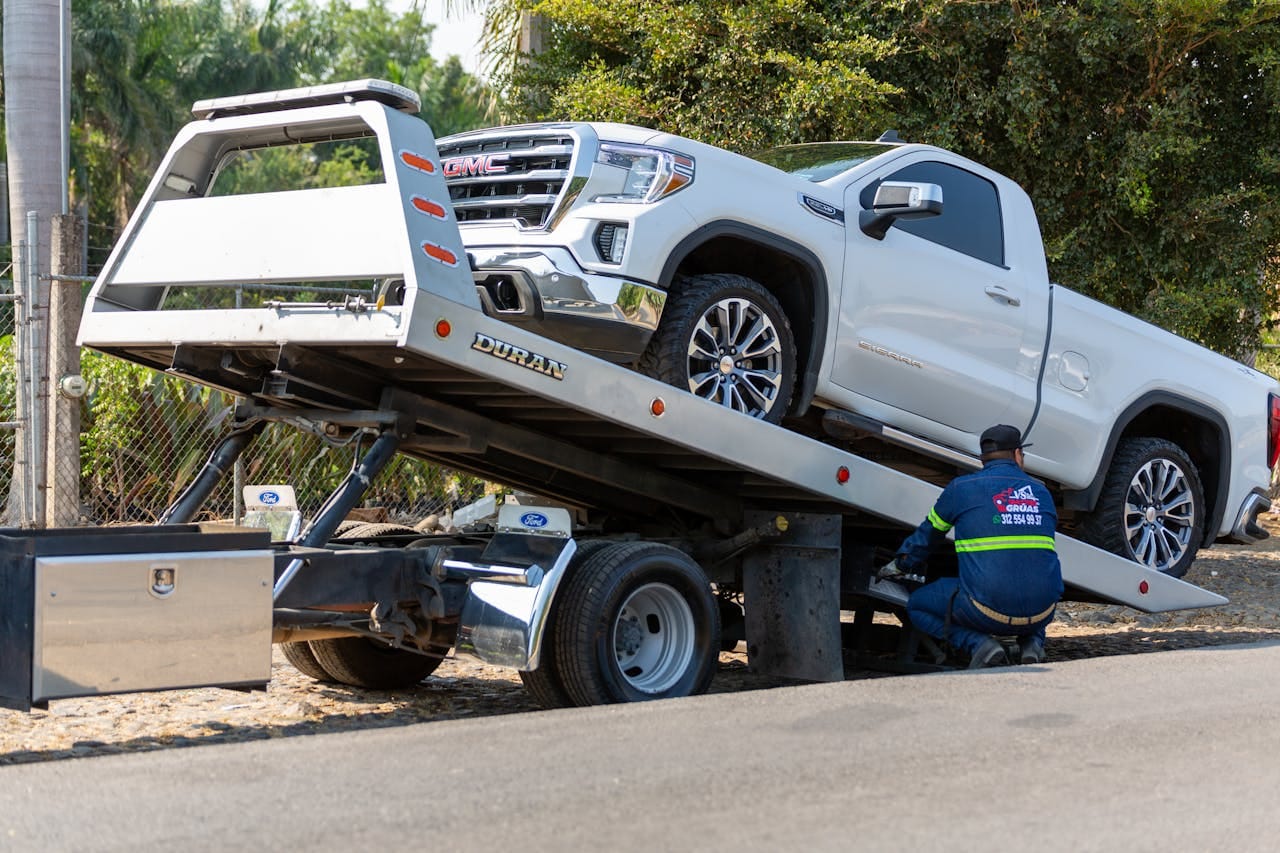
Transporting your vehicle across long distances requires more than just booking a carrier and handing over the keys. Proper preparation ensures your car arrives safely, avoids delays, and minimizes the risk of damage or unexpected costs. Whether you’re relocating, selling a vehicle, or sending a car to a loved one, taking the time to get your vehicle ready for transport is a smart move. Below are five essential tips to help you prepare your car for a smooth and stress-free shipping experience.
Clean Your Vehicle Inside and Out
Before your car is picked up, give it a thorough cleaning—both exterior and interior. A clean vehicle makes it easier to spot any existing scratches, dents, or paint imperfections, which is important for documenting its condition before transport. Take photos from multiple angles and note any damage in writing. This documentation will be useful if you need to file a claim for any new damage that may occur during transit.
Cleaning the interior is equally important. Remove personal items, loose accessories, and anything that could shift or break during transport. Most auto transport companies prohibit shipping personal belongings inside the vehicle, so clearing out the cabin and trunk is a necessary step.
Check for Leaks and Mechanical Issues
Your vehicle should be in good working condition before transport. While it doesn’t need to be drivable in every case, especially if you’re using a specialized service for inoperable vehicles, it should be safe to load and unload. Check for fluid leaks, and if you find any, have them repaired before shipping. Leaks can damage other vehicles on the carrier and may result in your car being refused for pickup.
Also, ensure that your battery is charged, tires are properly inflated, and brakes are functioning. If your car has any quirks—like a tricky ignition or a loose gear shift—inform the transport company in advance so they can handle it appropriately.
Disable Alarms and Toll Tags
Car alarms can be a nuisance during transport, especially if they go off while the vehicle is on the carrier. Disable any alarm systems or provide clear instructions to the transport company on how to turn them off. This helps avoid unnecessary delays and ensures your vehicle isn’t damaged while trying to silence an alarm.
Additionally, remove or deactivate toll tags and parking passes. These can be charged automatically during transit if the carrier passes through toll roads, and you may end up paying fees unnecessarily. Removing them also reduces the risk of theft or loss.
Reduce Fuel Level and Secure Loose Parts
Transport companies typically require that your fuel tank be no more than a quarter full. This reduces the overall weight of the vehicle and minimizes safety risks during loading and unloading. A full tank isn’t necessary since your car won’t be driven during transport, except for short distances when loading or unloading.
Secure or remove any loose parts or accessories, such as spoilers, bike racks, or antennae. These items can be damaged or cause damage to other vehicles if they come loose during transit. If you’re unsure whether something should be removed, consult your transport provider for guidance.
Understand Regional Requirements and Timing
If you’re using a service like California car shipping, it’s important to understand regional regulations and seasonal considerations. California, for example, has strict emissions standards and may require additional documentation for certain vehicles. Timing also matters—peak seasons like summer can lead to higher demand and longer wait times, while winter weather may affect transport routes and schedules.
Planning ahead and working with a reputable transport company familiar with California’s requirements can help avoid delays and ensure compliance. Ask questions about insurance coverage, delivery windows, and cancellation policies to make sure you’re fully informed before your vehicle is picked up.
Conclusion
Preparing your vehicle for transport is a crucial step in ensuring a smooth and successful shipping experience. From cleaning and inspecting your car to understanding regional requirements, each tip plays a role in protecting your investment and avoiding unnecessary complications. Whether you’re shipping across the state or across the country, taking the time to prepare properly will give you peace of mind and help your vehicle arrive safely at its destination.