

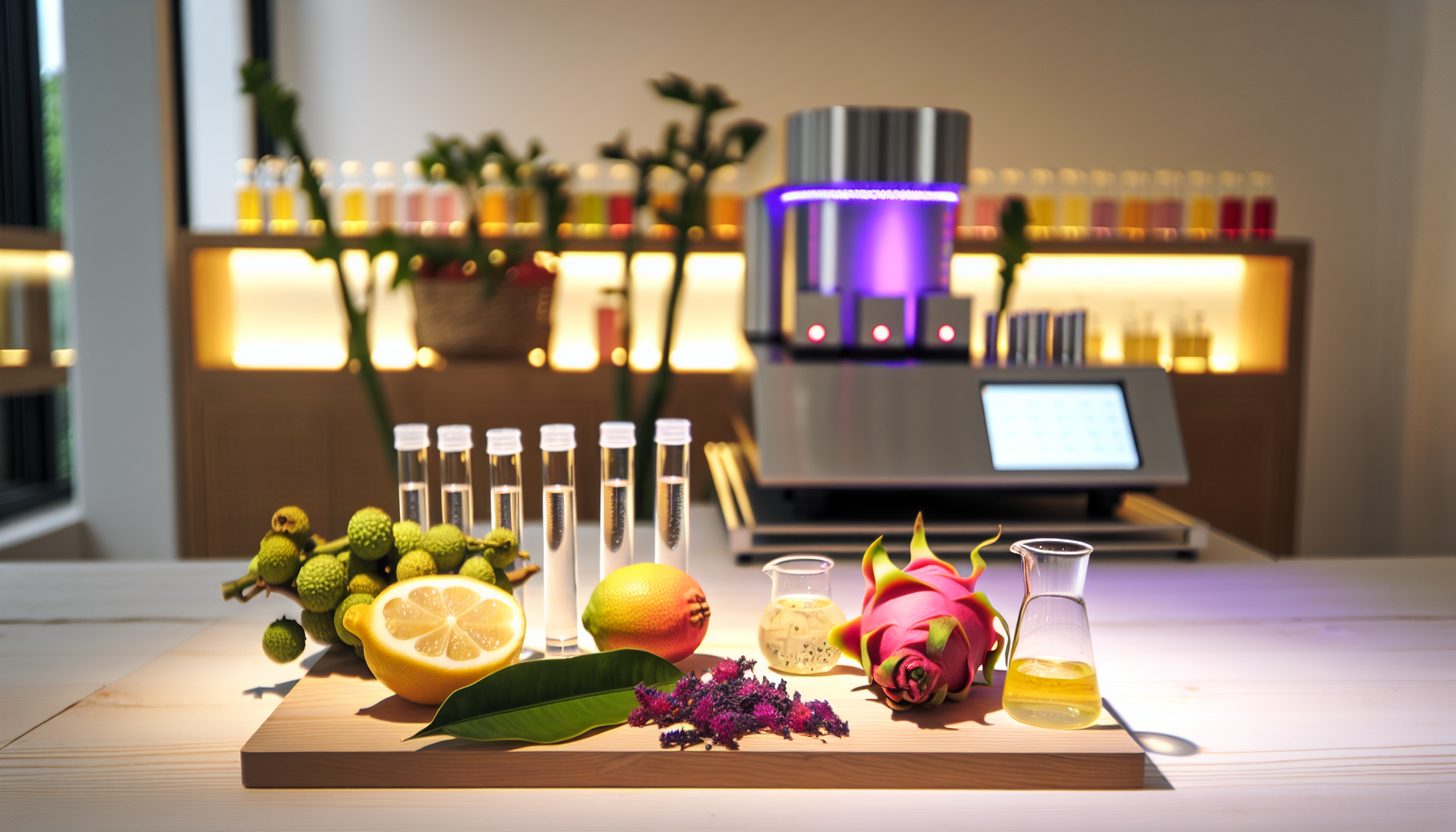
The art of crafting alcoholic beverages has evolved significantly over the years, with 2026 poised to bring even more exciting changes. As consumer preferences shift towards unique and personalized experiences, the demand for innovative alcoholic beverage formulation is greater than ever. Whether you’re a seasoned professional or a newcomer to the industry, understanding the latest trends and techniques is crucial. Here are seven ways to master the formulation of alcoholic beverages in the coming year.
1. Embrace Sustainability
Sustainability is not just a trend; it’s becoming a standard in the beverage industry. Consumers are increasingly aware of the environmental impact of their purchases, and they prefer brands that prioritize eco-friendly practices. To stay relevant, consider incorporating sustainable ingredients and practices into your formulations. This could mean sourcing organic ingredients, reducing waste in production, or using recyclable packaging. By doing so, you not only appeal to environmentally conscious consumers but also contribute positively to the planet.
2. Utilize Advanced Technology
Technology is revolutionizing how we create and enjoy alcoholic beverages. From AI-driven flavor profiling to precision fermentation, the possibilities are expanding. Utilizing advanced technology can help streamline your formulation process, improve consistency, and create novel flavor combinations. For instance, AI can analyze consumer preferences and suggest new ingredient pairings that might not have been considered traditionally. Staying updated with technological advancements can give you a competitive edge in the market.
3. Focus on Health and Wellness
The health and wellness trend continues to shape consumer choices, even in the alcoholic beverage sector. Many consumers seek options that align with their health goals, such as low-calorie, low-sugar, or gluten-free drinks. Incorporating these preferences into your formulations can broaden your appeal. Consider developing beverages that include functional ingredients like probiotics or adaptogens, which offer additional health benefits. By doing so, you cater to a growing segment of health-conscious consumers.
4. Experiment with Exotic Flavors
Consumers are always on the lookout for new and exciting taste experiences. Experimenting with exotic and unconventional flavors can set your beverages apart from the competition. Ingredients such as yuzu, dragon fruit, or elderflower can add a unique twist to traditional formulations. Additionally, experimenting with spices and herbs from different cultures can create intriguing flavor profiles that captivate adventurous consumers. This approach not only diversifies your product line but also attracts a broader audience.
5. Personalize the Experience
Personalization is a powerful tool in today’s market. Consumers appreciate products that cater to their individual tastes and preferences. Offering customizable options, such as mix-and-match flavor kits or personalized labeling, can enhance the consumer experience. This level of personalization can be achieved through direct-to-consumer platforms, where customers can select their preferred flavors, ingredients, and even alcohol content. By providing a personalized experience, you create a deeper connection with your audience.
6. Prioritize Quality over Quantity
In a saturated market, quality stands out. Focusing on the quality of ingredients and the craftsmanship of your beverages can enhance your brand’s reputation. Consumers are willing to pay a premium for high-quality products that offer superior taste and experience. Invest in sourcing the finest ingredients and refining your production techniques to ensure consistency and excellence in every batch. By prioritizing quality, you build trust and loyalty among your customers.
7. Stay Informed on Regulatory Changes
The alcoholic beverage industry is subject to a myriad of regulations that can vary by region. Staying informed about regulatory changes is essential to ensure compliance and avoid potential legal issues. This includes understanding labeling requirements, ingredient restrictions, and marketing guidelines. Keeping abreast of these changes can help you adapt your formulations and business practices accordingly, ensuring smooth operations and continued success.
Conclusion
The landscape of alcoholic beverage formulation is constantly evolving, and 2026 presents numerous opportunities for innovation and growth. By embracing sustainability, leveraging technology, focusing on health and wellness, experimenting with flavors, personalizing experiences, prioritizing quality, and staying informed on regulations, you can position your brand for success in the dynamic beverage market. As consumer preferences continue to evolve, staying ahead of these trends will be key to mastering the art of alcoholic beverage formulation.