

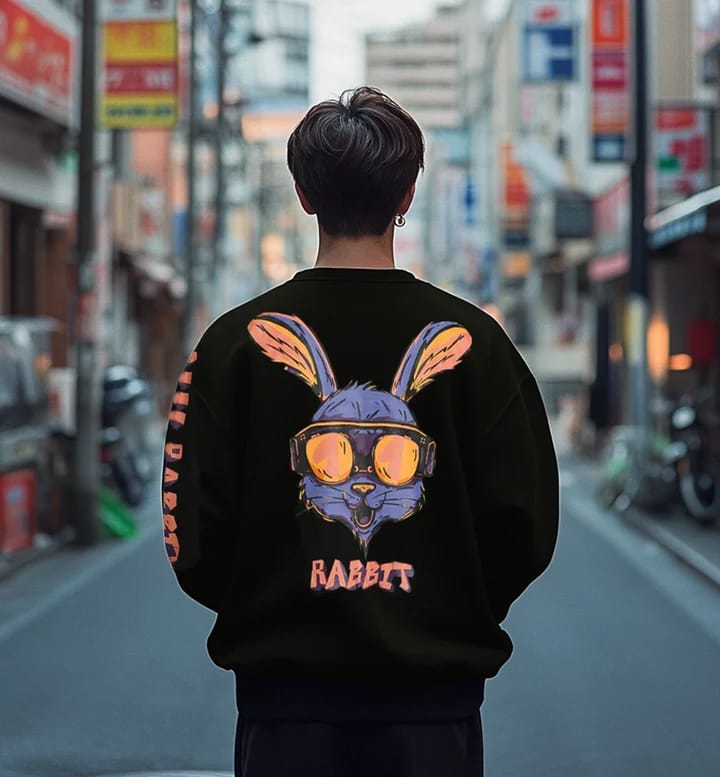
A good hoodie should feel natural from the moment you put it on. That means comfort is important, but appearance matters too. The oversized silhouette has enough personality to become the main part of an outfit, yet it remains flexible enough to support different aesthetics. Understanding how it interacts with color, proportion, layers, and footwear makes it easier to get more value from every wear.
For shoppers building this kind of wardrobe, an Oversized Hoodie can serve as a dependable foundation. Rather than treating the piece as a single purpose sweatshirt, think about how it can connect with the clothes you already own. A useful design should feel comfortable during ordinary movement, have enough room for natural layering, and maintain a shape that looks intentional. That balance is what turns a relaxed garment into something you can reach for repeatedly.
Look Beyond the Size Label
Color gives you another way to control the outfit. Dark neutrals are easy to combine and can make a relaxed silhouette look more refined. Lighter neutrals create a softer appearance and work well with denim and earth tones. Brighter colors or graphics can become the focal point, so the surrounding pieces should usually be simpler. Thinking about your current wardrobe before buying a new color makes styling much easier. Quality details become more noticeable with repeated wear. Strong seams, dependable fabric, a comfortable hood, and well finished cuffs can make a difference after many washes and many ordinary days. Layering should add function rather than simply add more clothing. A thin tee can create a comfortable base, while a structured jacket can give the hoodie a sharper outer frame. The important thing is to leave enough space for the hoodie to sit naturally. If the outer layer is too narrow, the shoulders and sleeves can bunch together and make the outfit uncomfortable.
Pay Attention to Fabric
Proportion becomes especially important when the top is intentionally roomy. If the hoodie has a wide body and long sleeves, a cleaner lower half can keep the outfit visually grounded. Alternatively, relaxed trousers can work when the overall look is deliberately loose. Footwear then acts as an anchor. Sneakers create a natural casual finish, while boots can introduce a little more structure. Ultimately, style is strongest when it matches the person wearing it. Trends can provide inspiration, but your routine, comfort preferences, climate, and existing wardrobe should decide what stays in regular rotation. Small details often decide whether an outfit feels personal. A cap, watch, crossbody bag, simple chain, or carefully chosen sneakers can communicate a different style without changing the hoodie itself. These additions work best when they support the rest of the outfit instead of competing with it. The goal is a look that feels like something you would actually wear.
Consider the Hood and Sleeves
Layering should add function rather than simply add more clothing. A thin tee can create a comfortable base, while a structured jacket can give the hoodie a sharper outer frame. The important thing is to leave enough space for the hoodie to sit naturally. If the outer layer is too narrow, the shoulders and sleeves can bunch together and make the outfit uncomfortable. For everyday American routines, practicality can be just as important as appearance. A garment that works for a grocery run, a coffee stop, a commute, or a relaxed evening has a strong advantage because it reduces the need to change outfits throughout the day. The first step is understanding what you want the garment to do. Some people prefer a dramatic streetwear silhouette, while others want only a little extra room. Those preferences affect everything from sleeve length to the way the hem sits. Checking measurements instead of relying only on a familiar size can prevent the common mistake of choosing something that is technically large but visually unbalanced.
Think About Climate
Small details often decide whether an outfit feels personal. A cap, watch, crossbody bag, simple chain, or carefully chosen sneakers can communicate a different style without changing the hoodie itself. These additions work best when they support the rest of the outfit instead of competing with it. The goal is a look that feels like something you would actually wear. When deciding between several options, consider the clothes you already reach for most often. A new hoodie should ideally connect with multiple pairs of bottoms and at least a few shoes. That simple test can prevent impulse purchases that look exciting but rarely leave the closet. Fabric has a direct effect on the experience of wearing a hoodie. A softer material may feel ideal for long days indoors, while a heavier construction can provide a more substantial feel outside. Climate matters as well. Someone in a cooler part of the country may appreciate extra weight, while a warmer region may call for a lighter option. There is no single perfect fabric for everyone.
Choose a Useful Color
The first step is understanding what you want the garment to do. Some people prefer a dramatic streetwear silhouette, while others want only a little extra room. Those preferences affect everything from sleeve length to the way the hem sits. Checking measurements instead of relying only on a familiar size can prevent the common mistake of choosing something that is technically large but visually unbalanced. Personal comfort also affects how clothing looks. If sleeves constantly need adjusting or the body feels restrictive, confidence drops quickly. The best relaxed fit should allow natural movement while still keeping enough shape to look intentional. Color gives you another way to control the outfit. Dark neutrals are easy to combine and can make a relaxed silhouette look more refined. Lighter neutrals create a softer appearance and work well with denim and earth tones. Brighter colors or graphics can become the focal point, so the surrounding pieces should usually be simpler. Thinking about your current wardrobe before buying a new color makes styling much easier.
Check How It Fits Into Your Existing Closet
Fabric has a direct effect on the experience of wearing a hoodie. A softer material may feel ideal for long days indoors, while a heavier construction can provide a more substantial feel outside. Climate matters as well. Someone in a cooler part of the country may appreciate extra weight, while a warmer region may call for a lighter option. There is no single perfect fabric for everyone. A versatile piece can also help simplify mornings. Once you know which colors, proportions, and footwear combinations work, getting dressed becomes faster. You can change one element while keeping the rest familiar. Proportion becomes especially important when the top is intentionally roomy. If the hoodie has a wide body and long sleeves, a cleaner lower half can keep the outfit visually grounded. Alternatively, relaxed trousers can work when the overall look is deliberately loose. Footwear then acts as an anchor. Sneakers create a natural casual finish, while boots can introduce a little more structure.
Another useful way to approach choosing an oversized hoodie for everyday wear is to focus on repeatability. A strong casual wardrobe is not built from outfits that work once. It is built from pieces that can be recombined in several ways. That makes comfort easier to maintain while still giving you enough variety to keep daily dressing interesting.
When your wardrobe calls for a more distinctive finish, explore premium street fashion from Mercier and explore designs that can bring a stronger fashion perspective to everyday outfits. A wider selection of silhouettes can make it easier to experiment while keeping comfort at the center of your wardrobe.
For additional ideas and inspiration, visit Theinscribermag.com and explore the platform for more perspectives. Keeping your wardrobe flexible allows you to adapt the same core pieces to different routines, seasons, and personal preferences.