

Sports, entertainment, fashion, culture, and lifestyle stories often travel through short clips before readers reach the full article. A game reaction, award-show preview, player opinion, music feature, red-carpet note, sponsor update, or fan-culture piece may all need a visual hook. The hard part is keeping that hook accurate.
A short video draft can help editors test tone, pacing, and story structure before the final social post or article asset is made. But it should not turn opinion into fact, make a fan site look officially affiliated, or invent footage of a game, celebrity, athlete, model, or event.
Used carefully, Seedance 2.5 can support this early planning stage. The current Seedance 2.5 page presents a workflow for longer video concepts, text prompts, image references, video references, audio references, aspect-ratio choices, and reviewable AI video drafts. Digital magazine teams should confirm current generation limits, output settings, upload rules, and usage rights inside the product before using any draft for editorial articles, sponsor posts, or paid campaigns.
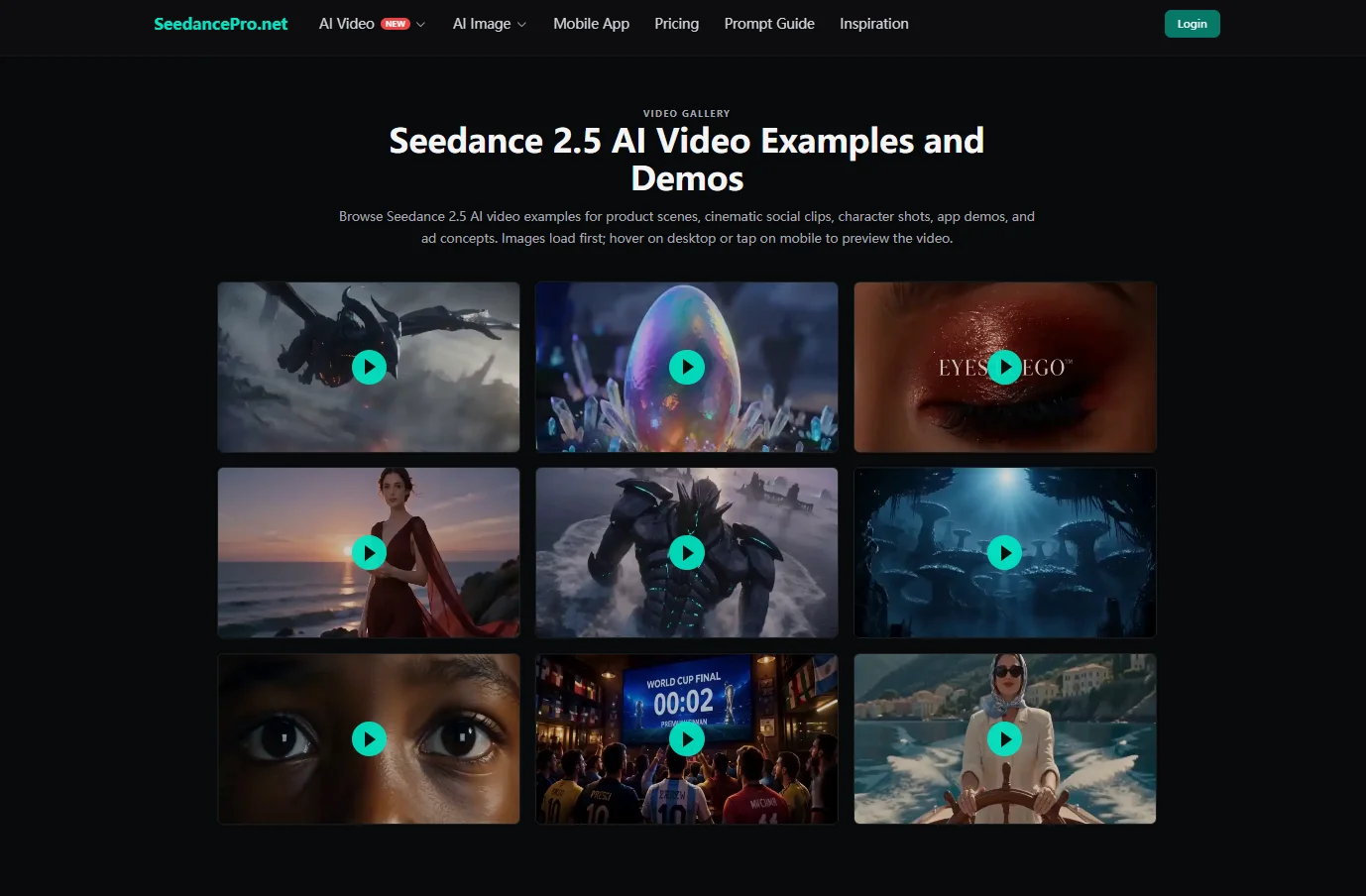
Start With the Story Type
A sports ranking, celebrity profile, lifestyle feature, betting-adjacent article, sponsored brand post, and culture essay do not need the same video structure.
A sports recap may need score context, one turning point, and a link back to the full column. An entertainment story may need mood, setting, and a verified title or release date. A fashion or model feature may need visual tone while avoiding any suggestion that generated images are real shoot photos. A lifestyle article may need a practical situation rather than a dramatic trailer.
Before choosing motion, choose the editorial job. What should the viewer understand after ten seconds? Is the draft pointing to analysis, opinion, a preview, a review, or a sponsored update?
Do Not Let Synthetic Scenes Look Like Real Event Footage
Sports and entertainment readers are used to real clips. That makes synthetic scenes risky. A generated dunk, tackle, red-carpet walk, backstage moment, injury scene, concert crowd, or award acceptance can look like footage from an event that never happened.
A draft can help plan visual rhythm, but it should not be presented as real game footage, real celebrity activity, real fashion-week coverage, or actual audience reaction. If the story needs real evidence, use properly licensed photography, verified clips, official stats, confirmed quotes, or clearly attributed source material.
When an AI-generated scene could be mistaken for real event footage, an actual athlete or celebrity moment, an official highlight, or an independent report, the caption or surrounding article should clearly identify it as illustrative.
Protect Faces, Likenesses, and Fan Communities
Sports and entertainment writing often involves recognizable people: athletes, coaches, actors, musicians, models, influencers, fans, stylists, journalists, and public figures. A promotional video should not imitate their faces, voices, uniforms, body language, private moments, or personal circumstances.
The current Seedance 2.5 workflow states that real human faces cannot be used as image or video references. Editors should not upload identifiable athlete, celebrity, model, fan, student, patient, or private-person photos as references, even when those images are approved for a different editorial use. Publication rights and platform eligibility are separate checks.
Safer planning materials include original graphics, abstract stadium or stage layouts, color cards, scoreboard-like shapes without real scores, generic fashion silhouettes, simple culture-topic diagrams, platform-supported synthetic or illustrated characters, and sanitized scene outlines that contain no private contact details, unreleased photos, medical information, locker-room material, or confidential sponsor notes.
Keep Scores, Rankings, Quotes, and Names Editable
Sports and entertainment articles can be undermined by small errors. A wrong score, player name, team record, award title, ranking number, release date, venue, quote, sponsor name, or injury status can change the meaning of the piece.
Generated text inside footage may be misspelled, distorted, or visually convincing while still being wrong. Final names, captions, scores, dates, rankings, credits, prices, and calls to action should normally be added during editing from the article, verified source notes, official documentation, or approved editorial summary.
For statistics, injury updates, contract details, odds, ticket information, and rankings, the final article should identify the source and relevant date when needed. A video should not make a temporary number look permanent.
Use a Short Sequence, Not a Fake Trailer
A digital magazine video does not need to imitate a movie trailer. Many stories work better with a simple editorial sequence.
For a sports column, the draft might show the topic, one analytical question, and a final frame for the headline. For an entertainment profile, it might use abstract stage or studio imagery and reserve room for the verified title. For a lifestyle feature, it might introduce the reader problem, one practical context, and a link back to the full article.
A practical Seedance 2.5 video generator workflow can help editors test that structure before final design, animation, or social distribution. The draft should support the article’s angle, not replace reporting, criticism, or live coverage.
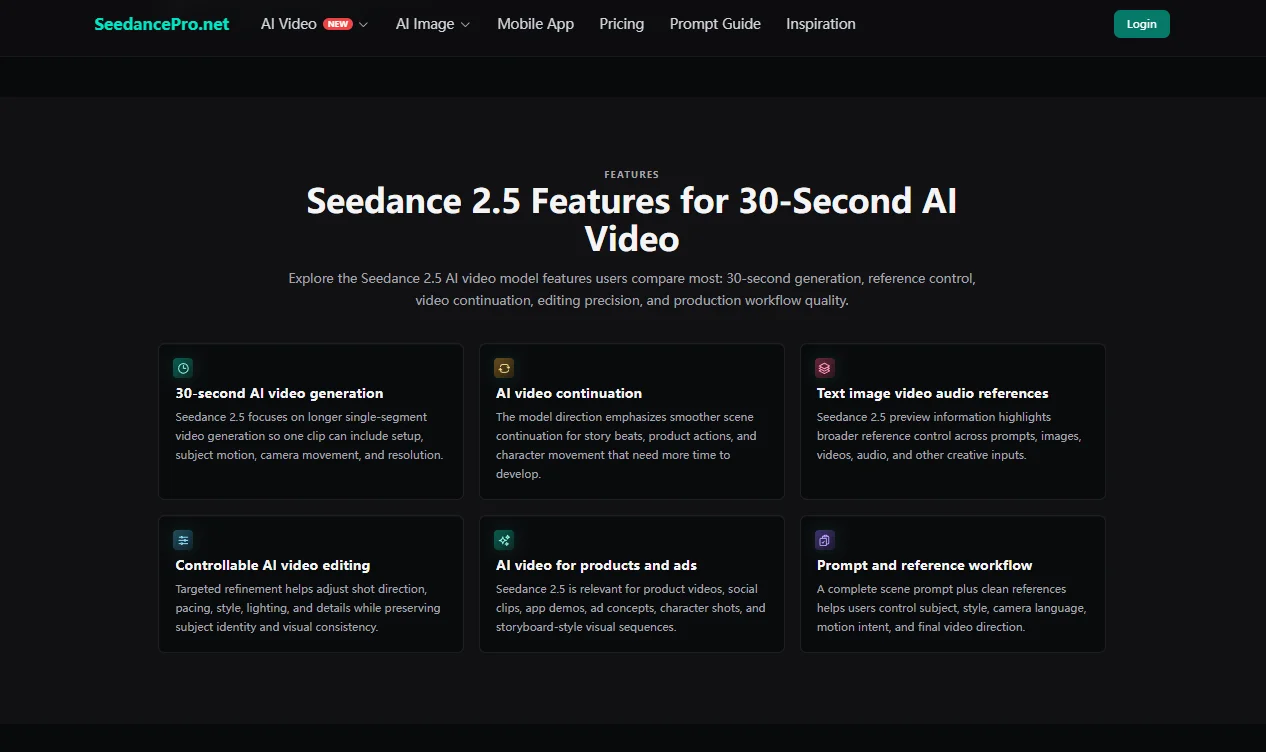
Respect Leagues, Teams, Brands, and Events
Fan and lifestyle magazines often discuss major leagues, teams, franchises, artists, sponsors, and events. That does not mean the publication is officially connected to them.
Generated visuals should avoid invented league marks, team logos, jersey designs, official badges, app-store badges, award seals, sponsor boards, or event credentials. If the article is unofficial commentary, the visual should not imply endorsement, partnership, access, or approval.
If exact brand, league, team, or event imagery is needed, the final asset should rely on properly licensed or approved materials. Otherwise, use abstract shapes, generic locations, and editorial captions that make the relationship clear.
Handle Sponsored, Betting, and Lifestyle Claims Carefully
Sports and entertainment sites often publish a mix of editorial opinion, sponsored posts, affiliate content, betting-adjacent commentary, fashion features, and lifestyle promotions. A video draft should not blur those categories.
If the article supports a sponsor, affiliate offer, betting product, ticket vendor, fashion brand, or event partner, the final presentation should follow the publisher’s disclosure practices and applicable rules. Do not invent results, odds, availability, discounts, attendance claims, customer reactions, or celebrity endorsements.
Health, fitness, injury, beauty, finance, betting, and legal topics also require extra caution. A generated scene should not imply medical certainty, guaranteed performance, certain winnings, or official advice.
Review Tone Before Publishing
Video can exaggerate tone quickly. A sports opinion can become personal attack. A fashion profile can become objectifying. A fan debate can look like official news. A culture story can become sensational when the visuals overplay drama.
Editors should ask whether the draft respects the person, team, community, or event being discussed. Does it make a joke look like a claim? Does it make speculation look confirmed? Does it make a private situation look public? Does it use a real hardship as visual decoration?
If the answer is uncertain, simplify the draft. A clean editorial visual is often safer than a cinematic scene that adds meaning the article never reported.
Let the Draft Improve the Article
A draft can expose weaknesses in the written piece. Maybe the headline is too broad. Maybe the stat needs a source. Maybe the article should clarify that it is opinion. Maybe a sponsor note needs to appear earlier. Maybe a static image is clearer than a moving clip.
Before publication, compare the draft with the article. Are facts verified? Are people protected? Are rights clear? Are exact words added in post-production? Could readers mistake the visual for official or live material?
Good sports and entertainment writing can be lively without being careless. AI video can help editors shape a more watchable entry point, but the trust still comes from sourcing, restraint, and human review.