

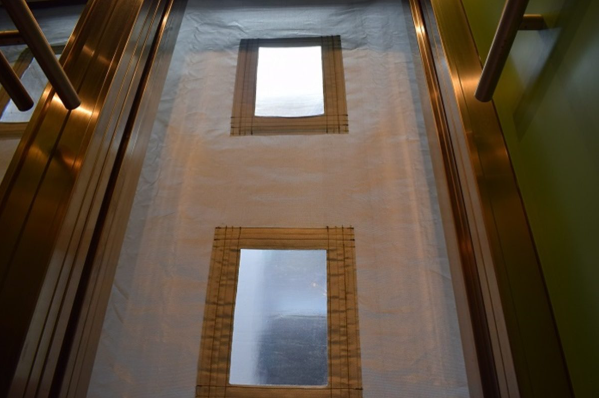
Smoke control is a critical aspect of modern building safety. Installing a Smoke Curtain System Singapore can significantly enhance protection during fire emergencies. In Singapore, strict fire safety regulations make it essential for both residential and commercial buildings to adopt advanced smoke management solutions. These systems control smoke movement, protecting occupants and minimizing property damage.
This guide covers everything you need to know about smoke curtain systems, including their definition, benefits, installation, maintenance, costs, and choosing the right contractor. Whether you are a property owner, facility manager, or construction professional, it provides practical insights. Following these guidelines ensures safe and compliant installations. Understanding the role and operation of smoke curtains is the first step toward effective fire management.
What is a Smoke Curtain System?
A Smoke Curtain System Singapore is a passive fire protection solution designed to control the spread of smoke within a building. These systems consist of retractable or fixed barriers made from fire-resistant materials that deploy automatically during a fire. They channel smoke to designated areas, keeping escape routes clear and minimizing inhalation hazards. This containment reduces risk and provides more time for evacuation.
Smoke curtains are often integrated with a building’s fire detection and alarm systems, enabling automatic deployment in emergencies. Once activated, they form barriers that prevent smoke from spreading across multiple floors or compartments. This system supports safe evacuation, giving occupants more time to exit safely. It also provides firefighters better access for fire suppression and control.
Benefits of Smoke Curtain System
One of the primary benefits of a Smoke Curtain System Singapore is enhanced safety for building occupants. By directing smoke away from escape routes and limiting its spread, these systems reduce the risk of smoke inhalation. They help maintain visibility and clear pathways, improving evacuation chances. Smoke curtains also support emergency response measures effectively.
In addition to safety, smoke curtains help protect property by containing smoke and heat, reducing damage to valuable assets and interiors. They complement existing fire suppression systems and ensure comprehensive building resilience. For commercial properties in Singapore, smoke curtains improve compliance with SCDF regulations. Installing these systems is a practical investment in both safety and financial protection.
Types of Smoke Curtain System
1. Fixed Smoke Curtains
Fixed smoke curtains are permanently installed and remain in place at all times. They provide continuous protection in critical areas such as stairwells, atriums, and large open spaces where smoke management is essential. These curtains are highly durable and require minimal operational intervention, making them ideal for long-term applications in busy buildings.
2. Retractable Smoke Curtains
Retractable smoke curtains remain hidden when not in use and deploy automatically during a fire. They are suitable for spaces where aesthetics and space management are important, such as shopping malls, offices, and hotel lobbies. These curtains combine functionality and design, offering reliable protection while remaining unobtrusive in normal conditions.
3. Ceiling-Mounted Smoke Curtains
Ceiling-mounted smoke curtains attach directly to the ceiling and drop down to control smoke flow. They are designed for large, open areas such as atriums, exhibition halls, and industrial facilities. Integration with HVAC systems, fire alarms, and lighting ensures seamless operation, while maintaining the safety and comfort of occupants.
4. Wall-Mounted Smoke Curtains
Wall-mounted smoke curtains are installed along walls to guide smoke in a specific direction. They are effective in corridors, escape routes, and smaller rooms where airflow needs to be controlled. By directing smoke away from critical areas, these curtains enhance evacuation safety and support fire suppression efforts.
Complete Installation Process
Installing a Smoke Curtain System Singapore requires careful planning and adherence to safety standards to ensure effectiveness. The installation process involves multiple stages, each focused on safety, compliance, and proper functionality. In some cases, a Fire Curtain Singapore may also be installed alongside smoke curtains to provide enhanced smoke and heat containment, especially in high-risk areas.
By following a structured approach, building owners can achieve both operational efficiency and regulatory compliance.
- Assessment of Space: Evaluate the building layout, airflow patterns, and areas at highest risk of smoke accumulation. Identify locations where smoke curtains will provide the maximum safety impact and consider architectural constraints.
- Design and Specification: Choose the type of curtain (fixed, retractable, ceiling-mounted, or wall-mounted) based on building requirements, space aesthetics, and fire safety regulations. Proper planning ensures effective smoke containment.
- Electrical Integration: Connect the smoke curtain system to the building’s fire alarm and detection networks. Automatic deployment during emergencies is critical for ensuring rapid response and safe evacuation.
- Mechanical Installation: Secure the curtain framework and mount retractable or fixed curtains. Ensure alignment and smooth operation of moving parts to prevent malfunctions during emergencies.
- System Testing: Conduct operational and fire tests to verify automatic deployment, sensor accuracy, and integration with other safety systems. Address any faults immediately before final approval.
- Final Inspection: Obtain SCDF or relevant authority approval, ensuring the installation meets all local fire safety standards. Proper documentation supports compliance and insurance purposes.
Maintenance Requirements
Regular maintenance of a Smoke Curtain System Singapore is essential to guarantee reliable performance in emergencies. Mechanical components such as tracks, rollers, and motors should be inspected every six months for wear and tear. Proper lubrication and adjustments are required to ensure smooth operation and prevent failures during critical moments.
Electrical components, including sensors, control panels, and deployment mechanisms, need routine testing. Cleaning the curtain fabric to remove dust, dirt, and other debris ensures fire resistance is maintained. Documenting all maintenance activities is vital for compliance with Singapore fire regulations and supports insurance coverage in case of fire events.
Cost Considerations
When planning to install a smoke curtain system, it is important to understand the various factors that can influence the overall cost.
- Curtain Material and Type: Costs vary depending on fire-resistant fabric quality, curtain type, and durability. Retractable systems are generally more expensive than fixed curtains due to automation and mechanical complexity.
- Installation Complexity: Large atriums, multi-story buildings, or complex architectural spaces increase labor costs. Installation may require scaffolding, ceiling mounting, and integration with other fire systems.
- Electrical and Automation: Connecting the system to alarms, sensors, and smart monitoring adds to the overall cost. Advanced automation may further increase the investment but improves safety and efficiency.
- Maintenance and Testing: Ongoing inspection, functional testing, and occasional repairs should be considered in the total cost of ownership. Proper maintenance extends system life and ensures compliance.
Choosing the Right Contractor
Selecting a qualified contractor is critical for the success of a smoke curtain installation. Alliance Automation is an experienced provider with SCDF certification and expertise in smoke curtain projects. They have in-depth knowledge of local building regulations and a proven track record of successful installations in various types of buildings across Singapore.
It offers comprehensive services, including references and project portfolios to demonstrate quality and reliability. They provide full after-sales support, such as scheduled maintenance and emergency repairs. Clear communication, detailed contracts, and professional expertise from Alliance Automation help reduce risks and ensure compliance with Singapore’s strict fire safety standards.
Conclusion
Installing a Smoke Curtain System Singapore is an effective way to enhance building safety and comply with strict fire regulations. These systems protect occupants, control smoke spread, and minimize property damage during fire emergencies. Investing in smoke curtains is a proactive measure to safeguard lives and assets.
Understanding the types, benefits, installation steps, maintenance needs, and cost considerations helps building owners make informed decisions. Choosing a certified contractor ensures proper installation and ongoing support, providing peace of mind that the building remains safe, compliant, and resilient against fire hazards. Properly implemented smoke curtains are an essential element of modern fire safety strategies.