

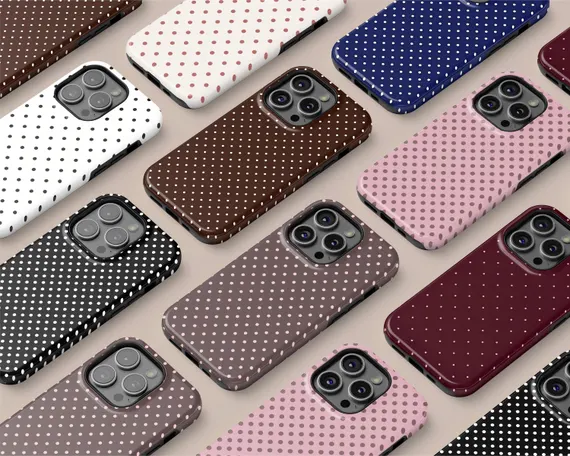
Choosing a phone case today is no longer just about picking a color or a pattern. The material of your case plays a critical role in how well it protects your phone, how it feels in your hand, and how long it lasts. With so many options available, understanding phone case materials can help you make a smarter and more confident decision.
Brands like Scorpify have expanded the range of materials used in modern cases, offering combinations that balance durability, style, and comfort. But to choose the right case, you need to understand how each material behaves in real-world use.
Why Phone Case Materials Matter
The material of a phone case directly affects its performance. It determines how well the case absorbs shock, resists scratches, maintains its shape, and even how comfortable it feels to hold.
A poorly chosen material may look good at first but wear down quickly or fail to protect your phone during a drop. On the other hand, a well-designed case made from high-quality materials can significantly extend the life of your device.
When evaluating cases, material is just as important as design—sometimes even more important.
Soft vs Hard Materials: Understanding the Basics
Phone case materials generally fall into two main categories: soft materials and hard materials.
Soft materials are flexible and can absorb impact better. Hard materials provide structure and durability but may transfer impact force more directly. Many modern cases combine both to achieve a balance between protection and usability.
Understanding this distinction is key to choosing the right case for your lifestyle.
TPU: The Most Popular All-Rounder
One of the most widely used materials today is the tpu phone case. TPU (thermoplastic polyurethane) is known for its flexibility, durability, and shock-absorbing properties.
TPU cases are slightly soft, allowing them to cushion the phone during drops. They also offer good grip, reducing the chances of accidental slips. This makes them a popular choice for everyday users.
Another advantage of TPU is its resistance to wear and tear. Unlike some softer materials, TPU maintains its shape over time and does not easily crack.
However, TPU cases may show fingerprints or slight discoloration over extended use, depending on the finish.
Hard Plastic Cases: Lightweight and Simple
A hard plastic phone case is typically made from rigid materials that prioritize structure and simplicity. These cases are lightweight and often have a slim profile, making them ideal for users who want minimal bulk.
Hard plastic cases are effective at preventing scratches and protecting the phone’s exterior. They also allow for clean, sharp designs, which is why many visually appealing cases use this material.
However, because they are rigid, they do not absorb shock as effectively as softer materials. This means they may not provide the same level of protection during drops.
Polycarbonate: Strong and Impact-Resistant
The polycarbonate phone case is a more advanced version of hard plastic. Polycarbonate is known for its high impact resistance and durability, making it a common choice for protective cases.
Unlike basic plastic, polycarbonate can withstand stronger impacts without cracking. This makes it suitable for users who need extra protection but still want a relatively slim design.
Polycarbonate is often used as the outer layer in hybrid cases, combined with softer materials like TPU to create a more balanced structure.
Hybrid Materials: The Best of Both Worlds
Many modern phone cases combine multiple materials to maximize performance. For example, a case might use a TPU inner layer to absorb shock and a polycarbonate outer shell to provide structure.
This hybrid approach allows cases to offer strong protection without becoming bulky. It also improves durability and enhances the overall feel of the case.
Scorpify uses this type of layered design in many of its products, ensuring that users get both protection and style in one package.
How Materials Affect Style and Design
Material choice doesn’t just affect protection—it also influences how a case looks and feels.
Soft materials tend to have a matte or rubberized finish, which provides a comfortable grip. Hard materials often have a glossy or polished look, which can appear more premium but may attract fingerprints.
In recent years, design has become just as important as function. Many trending iphone cases now combine different textures, finishes, and materials to create unique visual effects.
For example, a case might combine a clear polycarbonate back with a soft TPU frame, allowing users to showcase their phone while maintaining protection.
Choosing the Right Material for Your Needs
The best material depends on how you use your phone.
- If you drop your phone often, choose flexible or hybrid materials for better shock absorption
- If you prefer a slim and lightweight feel, hard plastic may be a better option
- If you want maximum durability, polycarbonate or hybrid designs are ideal
It’s also important to consider grip, appearance, and how the case feels during daily use.
Durability and Long-Term Performance
Different materials age differently over time.
TPU can remain flexible but may show wear after extended use.
Hard plastic can maintain its appearance but may crack under strong impact.
Polycarbonate offers better long-term durability but may still show surface scratches.
Choosing a high-quality case from a trusted brand like Scorpify helps ensure better long-term performance.
Final Thoughts
Understanding phone case materials is essential for making the right choice. Each material has its own strengths and limitations, and the best option depends on your priorities.
Whether you choose TPU for flexibility, hard plastic for simplicity, or polycarbonate for durability, the right case should protect your phone while matching your style.
With modern innovations and thoughtful design, today’s phone cases offer more options than ever before—making it easier to find the perfect balance between protection and aesthetics.