

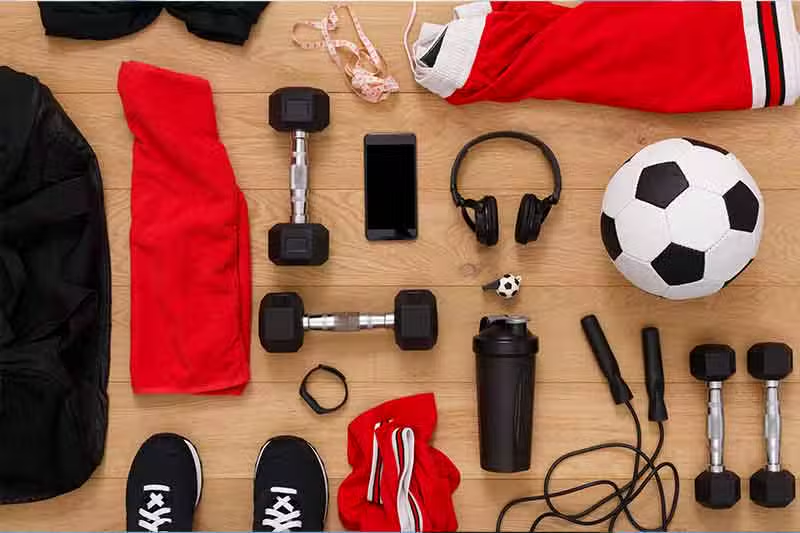
Coaches shape athletes, guide performance, and influence the outcome of every training session. To perform these responsibilities effectively, they rely on the right tools. Whether working with beginners, advanced players, or professional teams, having access to high-quality equipment is essential for progress and safety. Many coaches today look beyond basic gear and choose Equipements sportifs professionnels to help athletes train with consistency and precision. This guide explores what type of equipment matters most, how to select it, and what every coach should consider before building a complete setup.
Why Coaches Need the Right Professional Tools
Training is no longer just about effort. It is also about efficiency, science, and smart planning. Coaches across various sports depend on reliable equipment to improve athlete performance in measurable ways. Professional equipment helps maintain training standards, minimises injury risks, and ensures sessions are productive even when dealing with large groups.
High-quality tools also support long-term development. When athletes rely on poorly made gear, their technique suffers. Coaches must therefore treat equipment as an investment that directly affects training results.
Key reasons professional tools matter include:
- Better accuracy in drills and assessments
- Improved safety for players
- Higher training consistency
- More organised sessions
- Stronger focus on athlete development
Equipements sportifs professionnels give coaches the confidence to run programs that meet competitive demands and deliver visible results.
Essential Training Equipment Every Coach Should Consider
No matter the sport, certain categories of equipment remain universally important. Coaches should identify these essentials first before adding sport-specific tools.
1. Timing and Tracking Tools
Modern coaching depends heavily on accurate measurement. Timers, stopwatches, speed gates, and tracking devices allow coaches to monitor performance without guesswork. They help assess endurance, speed, agility, and reaction time. When combined with video tools, coaches can provide precise and clear feedback to their athletes.
2. Agility and Movement Equipment
Agility ladders, cones, hurdles, and speed rings are fundamental to most training programs. These tools help athletes improve footwork, coordination, balance, and acceleration. For team sports such as football, basketball, or hockey, movement drills are part of almost every session. Coaches should choose durable and weather-resistant materials to ensure long-lasting use.
3. Strength and Conditioning Gear
Strength equipment includes resistance bands, medicine balls, kettlebells, and training ropes. They support functional fitness, body control, and injury prevention. Many coaches prefer compact tools that can be transported easily to outdoor fields or multi-purpose training facilities. Professional-grade strength gear offers safer grips, better weight accuracy, and greater durability.
4. Safety and Protective Equipment
Athlete safety is a top priority for every coach. Mouthguards, shin pads, helmets, and padding equipment vary by sport but all play a central role in injury prevention. Coaches should also ensure that protective gear meets approved safety standards. For group sessions, it is helpful to keep spare items on hand in different sizes.
5. Video and Performance Analysis Tools
Recording devices, tripods, angle markers, and mobile analysis apps allow coaches to break down an athlete’s technique. Whether it is a football strike, a tennis serve, or a sprint start, visual feedback accelerates learning. Equipements sportifs professionnels increasingly include digital tools that make analysis easier and faster.
Choosing the Right Equipment for Your Coaching Needs
Selecting training tools is not just about buying the most expensive products. Coaches need a balance between quality, purpose, and long-term value. Below are practical considerations to guide smart decision-making.
Understand the Training Goals
A coach should first identify the type of development they want to see. For example:
- Speed coaches may prioritise timing systems and sprint parachutes.
- Football coaches require cones, rebound boards, and passing targets.
- Tennis coaches rely on ball baskets, training nets, and precision markers.
Once goals are clear, equipment choices become easier and more strategic.
Assess the Group Size and Athlete Level
Coaching ten athletes is very different from coaching fifty. The more athletes involved, the more equipment is needed to avoid downtime during drills. Beginners also require simpler, safer tools, while advanced athletes benefit from more demanding setups.
Check Material Quality and Durability
Professional equipment should last through intense training. Coaches should inspect:
- Frame strength
- Weather resistance
- Grip comfort
- Joint reinforcement
- Weight accuracy
Poor-quality equipment fails quickly and interrupts progress. Investing in solid gear ensures smooth, uninterrupted training sessions.
Choose Portable and Easy-to-Store Items
Many coaches work across multiple venues. Portable equipment saves time and energy, especially during outdoor sessions. Storage bags, collapsible cones, foldable goals, and lightweight markers are highly practical options.
Balance Cost With Value
Coaches should compare prices without compromising on quality. Low-quality gear typically requires frequent replacement, which becomes more expensive in the long run. Equipements sportifs professionnels deliver better value because they are built to withstand regular, intense use.
Sport-Specific Equipment Coaches Should Explore
While general training tools help in almost every sport, specialised equipment enhances the precision and relevance of drills.
Football and Futsal
- Passing arcs
- Rebounder nets
- Slalom poles
- Goalkeeper gloves and training dummies
Basketball
- Dribbling goggles
- Shooting targets
- Rebounding nets
- Ball return systems
Tennis and Badminton
- Ball feeders
- Target cones
- Portable nets
- Stroke-training bands
Athletics
- Starting blocks
- Relay batons
- Landing mats
- Throwing circles and markers
Choosing high-quality tools from these categories helps coaches deliver accurate, enjoyable, and professional training experiences.
How Professional Equipment Enhances Coaching Efficiency
Time management is one of the biggest challenges coaches face. Every minute of a training session must deliver value. Professional-grade equipment improves efficiency by:
- Reducing setup time
- Making transitions between drills smoother
- Allowing athletes to train independently in stations
- Providing clear structure to each session
For example, organised cones and ladders help athletes move quickly from one drill to another. Video tools allow instant review, speeding up learning. Precision training equipment reinforces proper technique without requiring constant verbal correction.
Equipements sportifs professionnels enable coaches to create well-planned sessions that support learning, confidence, and motivation.
Tips for Maintaining and Managing Sports Equipment
Good equipment lasts longer when coaches follow simple maintenance practices. Consistent care helps preserve performance quality and minimises replacement costs.
Recommended tips include:
- Cleaning gear after each session
- Inspecting equipment for damage or loose parts
- Storing items in dry, shaded locations
- Labeling bags for quick access
- Keeping a checklist to track missing or worn-out tools
Coaches should also train athletes to handle equipment responsibly. This builds discipline while reducing the risk of damage.
Building a Professional Training Environment
A professional environment motivates athletes to take training seriously. Equipment plays a huge role in creating this atmosphere. When athletes walk into a well-organised space with clear training stations, it reinforces discipline and preparation.
Coaches can elevate their training environment by:
- Setting up visible markers and drill layouts
- Using colour-coded tools for different training phases
- Preparing warm-up and cool-down areas
- Ensuring safety gear is easily accessible
A structured, visually appealing environment encourages athletes to stay focused and engaged.
Final Thoughts on Strengthening Coaching With Better Equipment
Professional sports coaching is more effective when supported by reliable, high-quality tools. The right equipment helps coaches plan better sessions, measure performance accurately, and keep athletes safe. It also brings structure and consistency to daily training, which is essential for long-term development.
By choosing Equipements sportifs professionnels and understanding how to use them effectively, coaches can transform ordinary sessions into powerful learning experiences. The investment pays off not only in improved performance but also in creating an environment where athletes feel motivated, valued, and ready to grow.