

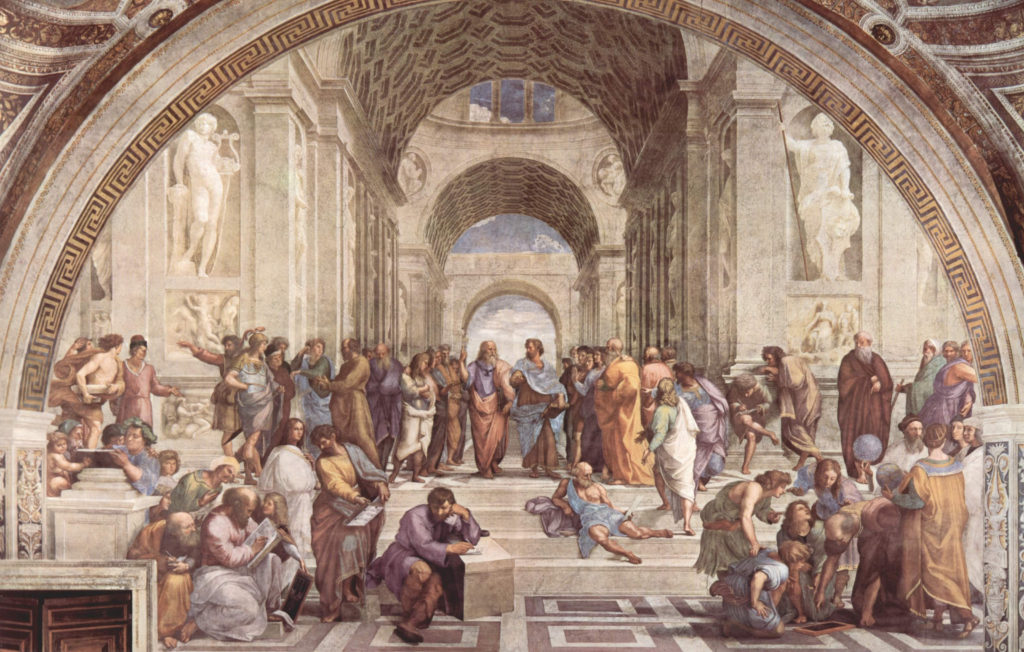
If you were the kind of student who liked pulling apart essay questions or cared more about why something happened than when, this program will feel familiar. A degree in Western Civilisation attracts people who want to understand how the world’s most influential ideas took shape — freedom, justice, faith, truth — and how those ideas continue to guide modern thinking.
You don’t need to be a historian or philosopher to enrol. Maybe you loved English but also found yourself drawn into political debates, or perhaps you enjoyed literature without realising how it connects to philosophy. This course gives that curiosity direction, tracing ideas from Athens to the Enlightenment and showing how they resurface in everything from law to literature. If you’ve ever wanted to find out what a Western Civilisation degree covers, this short course brings that exploration to life.
Why People Study It
Many people take this course to strengthen their analytical skills or to rediscover the foundations of modern thought. It appeals to readers, thinkers, and question-askers who prefer context over slogans.
“Western Civilisation” is not one single viewpoint; it is a centuries-long conversation — and at times a contest — about what makes a good life and a fair society. Through this short course, you’ll engage directly with these debates: faith and reason, order and freedom, morality and ambition. You’ll read from Sophocles and Plato to Dante, Shakespeare, Aquinas, Descartes, and Nietzsche — writers and philosophers who didn’t merely describe their times but challenged them.
The point isn’t to agree with them but to learn how they thought, questioned, and reasoned. By doing so, you start recognising their influence in modern institutions, cultural debates, and everyday moral questions.
Students often describe the experience as transformative. It reshapes how they read, write, and think — encouraging reflection before reaction and reasoning over rhetoric.
What You’ll Learn
The Introduction to Western Civilisation short course introduces you to some of the great literary, philosophical, theological, and historical texts that have shaped Western thought. It isn’t about memorising names or dates; it’s about exploring the big questions that have defined centuries of human conversation:
- Is freedom the most important political value, and can it exist alongside social order?
- What is the meaning of life?
- Should reason alone guide us, or should we also look to faith?
Over 13 online lectures, you’ll explore key moments and figures that shaped Western culture across four areas of study:
History
- Athens & Jerusalem
- The Roman Empire
- European Monasticism
- The Reformation
- The Enlightenment
Literature
- Sophocles
- Dante
- Shakespeare
Philosophy
- Plato and The Republic
- René Descartes
- Friedrich Nietzsche
Theology
- Who was Jesus Christ?
- The Theology of Thomas Aquinas
These lectures connect major ideas and movements, revealing how concepts like democracy, human rights, and scientific reasoning evolved from the dialogue between reason and belief. Each topic links past and present, encouraging you to read deeply, think critically, and question assumptions that still shape modern life.
How the Course Works
This is a self-paced online short course that gives you six months of access to all content. You can start at any time and study at your own rhythm through a secure online learning portal. Each lecture is pre-recorded, allowing you to pause, rewind, and reflect as you go.
The course is open to anyone aged 17 and above, and the tuition fee is $299. There are no prerequisites — only curiosity and a willingness to engage with new ideas.
The structure makes it easy to balance with work, study, or family commitments. Whether you want to revisit subjects you once loved or broaden your worldview, the program provides the flexibility to learn from anywhere, at your own pace.
Skills That Carry Beyond the Course
This course doesn’t stop at philosophy or history. It trains you to recognise patterns in arguments, write clearly, and test ideas before presenting them. You’ll learn to spot weak reasoning and construct persuasive, well-evidenced points — skills that translate directly into everyday decision-making.
Graduates frequently apply this thinking in professional fields like law, education, journalism, policy, and communications. Learning how to analyse texts, weigh perspectives, and understand where ideas come from builds confidence, empathy, and intellectual independence — traits valued in every workplace.
It also offers something deeper: perspective. In a world saturated with instant opinions, the ability to pause, evaluate, and think historically is a genuine advantage.
Take the Long View
In an age defined by short takes, this course offers the long view — how ideas grow, adapt, and return. It isn’t nostalgia; it’s context. The more you understand the origins of the systems and beliefs that shape modern society, the better you can navigate them.
Along the way, you’ll join a community of learners who value reflection over reaction and context over noise. You’ll explore not only what Western thought achieved but also where it fell short, developing a balanced and globally aware understanding of civilisation.
This course invites you to engage with the past not to glorify it, but to understand it deeply enough to approach the future with clarity and confidence.
Enrol Anytime and Start Learning
The Introduction to Western Civilisation short course offers:
- Duration:Six months of access to content
- Mode:Self-paced study
- Attendance:Online only
- Structure:13-part lecture series
- Tuition:$299
- Start dates:Flexible — enrol anytime
You can begin whenever you’re ready and study entirely online from anywhere in the world. For anyone seeking to expand their understanding of Western ideas, culture, and history, it’s an accessible and affordable way to explore how thought evolves — and why it still matters.
Because when you understand where ideas begin, you can decide where they go next.