

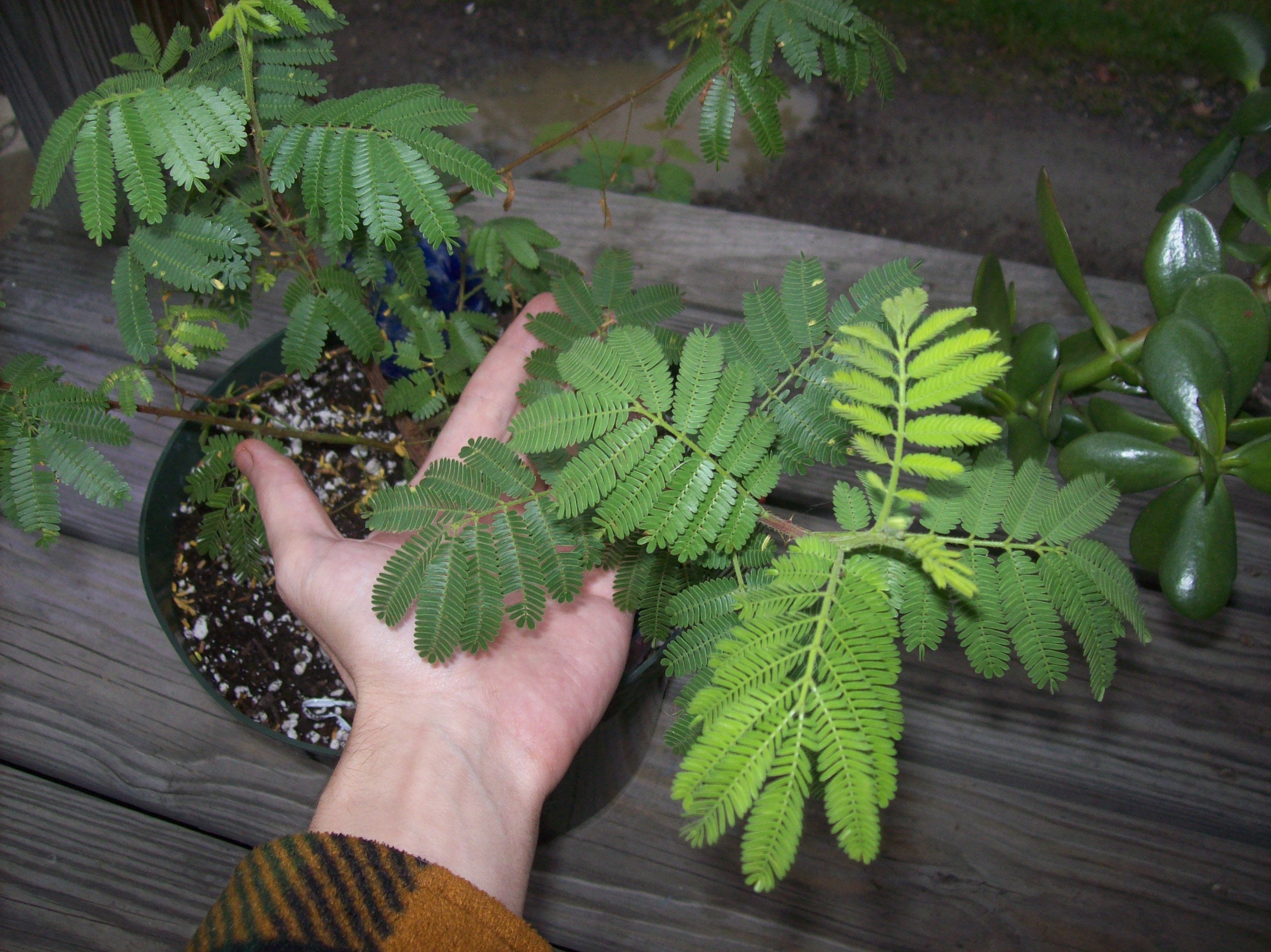
Mimosa hostilis, also known as Mimosa tenuiflora, is a thorny tree associated with regions of Mexico, Central America, and northeastern Brazil. Depending on the location, you may also find it under names such as tepezcohuite, jurema, or jurema preta. Its bark, wood, leaves, and roots have supported a surprisingly broad range of cultural, practical, and artisanal uses.
Traditional uses of the tree have never been identical across every community. In Mexico, the bark became closely associated with topical preparations and was sometimes called the skin tree. In Brazil, jurema formed part of Indigenous traditions, while rural communities also valued the tree as a source of fuel, fencing materials, animal fodder, and natural colorants. Its traditional importance varies according to the cultural and regional context.
This regional context is important because a traditional application is not automatically a scientifically proven treatment. Historical knowledge can explain how communities worked with a plant, but it should not replace professional medical care. This distinction becomes especially relevant when discussing burns, open wounds, infections, or persistent skin conditions.
Traditional skin applications
One of the best-known traditional uses of Mimosa Hostilis root bark is its topical application. Communities prepared the dried bark in powders, washes, pastes, or other simple mixtures for damaged or irritated skin. Its historical association with burns and wounds is particularly strong in Mexico, where tepezcohuite preparations continued to attract attention during the twentieth century.
The bark is generally processed into whole pieces, shredded material, or a fine powder. In practical terms, the intended craft or preparation determines which form is easier to handle. You can see these common formats at hmhrbusa.com, although the physical form alone does not determine the bark’s quality, safety, or suitability for a particular application.
Its traditional appeal is often connected to naturally occurring tannins and flavonoids. Tannins have astringent qualities, which helps explain why powdered bark was incorporated into soaps, ointments, masks, and washes. These historical practices have influenced modern cosmetic formulations, but concentrated bark or homemade preparations may irritate sensitive skin. A small patch test is a more cautious approach, and serious burns or wounds require professional treatment.
Natural dyes and durable materials
The reddish inner bark also became valuable as a natural dye. Its tannin content can produce tones ranging from muted red and reddish brown to deeper purple-brown shades, depending on the concentration, fabric, water, and mordant used. For artisans, achieving consistent color usually requires testing a small piece first because botanical dyes naturally vary from one batch to another.
Beyond textiles, tannin-rich bark has been connected with leather coloring and processing. The tree’s durable wood also served practical purposes in furniture, posts, fences, and basic construction. These uses show that its traditional importance extended well beyond skincare: communities worked with different parts of the tree according to the material properties they needed.
Traditional hair and scalp care
The bark has also appeared in cosmetic preparations for hair and scalp care. Its form may be blended into soaps, shampoos, or conditioners because its tannins and plant compounds give it astringent and cleansing properties. The bark has been valued for helping remove excess buildup and leaving the scalp feeling clean, while its pigments may add depth to darker hair tones. Some preparations are also associated with shinier, stronger-looking hair, although these effects depend on the formula, concentration, and hair type.
As with skincare, natural does not necessarily mean gentle. A concentrated mixture can dry or irritate the scalp, especially when used too frequently or left on for long periods. Testing a small amount first and avoiding broken or inflamed skin offers a cautious approach. It should not be presented as a treatment for hair loss or scalp disease, since these conditions can have multiple causes and may require professional evaluation.
Rural and ecological uses
A useful way to understand Mimosa Hostilis is to view it as a multipurpose rural tree rather than focusing only on its root bark. Its wood has been used for firewood and charcoal, while branches and trunks have provided fencing and posts. Some communities have also used suitable plant material as animal fodder, making the tree part of everyday agricultural life.
The species is also known for growing in disturbed environments. Fallen leaves can contribute organic material to the soil, while its role as a pioneer plant makes it relevant in some agroforestry settings. However, ecological resilience does not make harvesting impact-free. Removing too much root bark can damage or kill a tree, so responsible collection should prioritize traceable material and methods that avoid unnecessary pressure on local populations.
Why these traditional uses still matter
Traditional uses of Mimosa Hostilis reveal how one plant can connect skincare practices, textile crafts, leatherwork, agriculture, and land management. At the same time, you should check the botanical name carefully, since the general label mimosa bark may also appear on material discussing other plants, including Albizia julibrissin. Understanding the species, intended use, processing method, and harvesting origin gives you a clearer and more responsible picture of this historically significant tree.