

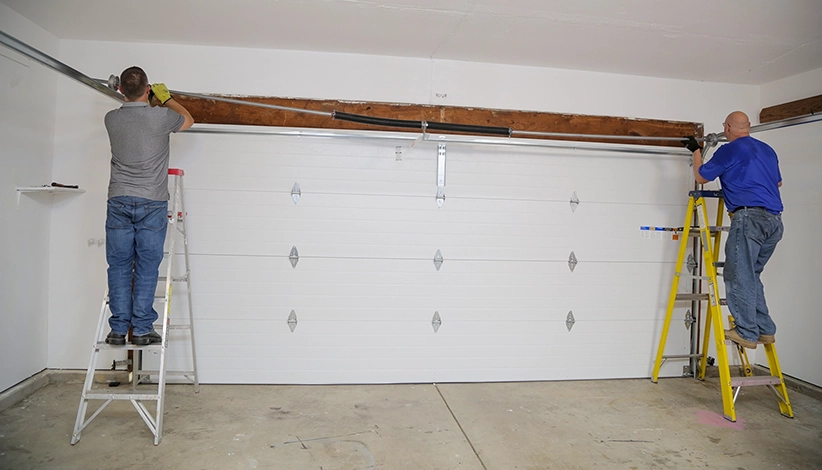
The garage door is one of the most frequently used entryways in a home. Not only does it secure vehicles and stored items, but it also plays a vital role in the overall energy efficiency, curb appeal, and functionality of your property. Over time, however, garage doors wear out—becoming less effective, noisy, outdated, or even unsafe. That’s when it may be time to consider a full Garage Door Replacement.
This comprehensive guide explores everything you need to know about replacing a garage door—from recognizing the signs that it’s time for a new one, to understanding material options, installation processes, and cost considerations.
Why Replacing Your Garage Door Matters
Many homeowners underestimate the value of a high-functioning, modern garage door. A proper replacement goes beyond aesthetics—it enhances security, performance, and energy savings. Here’s why making this upgrade is worth your attention:
- Increased Safety: Older doors may lack modern safety features, like auto-reverse sensors or tamper-resistant components.
- Improved Insulation: Newer doors are often better insulated, helping to regulate the temperature in your garage and adjoining rooms.
- Better Functionality: A new door opens and closes more smoothly, with less noise and fewer breakdowns.
- Elevated Curb Appeal: A fresh design can completely transform the appearance of your home, adding resale value.
- Reduced Maintenance: Modern materials are more durable and require less upkeep compared to older models.
Replacing an outdated door is not just a cosmetic upgrade—it’s a smart investment in your home’s safety, efficiency, and value.
Signs You Need a Garage Door Replacement
Not all garage door problems can be solved with repairs. Here are clear indicators that replacement is the better choice:
1. Excessive Noise and Vibration
Unusual squeaking, grinding, or rattling noises may indicate worn-out components or poor alignment. While some issues can be fixed, persistent noise is often a sign the entire system is failing.
2. Frequent Breakdowns
If you find yourself constantly calling for repairs, the cost of fixing small issues may eventually exceed the price of a new door.
3. Visible Damage
Severe dents, cracks, warping, rust, or rotting panels not only affect the door’s appearance but can compromise its structural integrity.
4. Poor Insulation
If your garage feels unusually hot or cold, it may be due to an old, uninsulated door. A modern insulated replacement helps stabilize temperatures.
5. Outdated Design
A garage door that looks dated can lower your home’s aesthetic appeal, especially if you’re planning to sell in the future.
6. Safety Concerns
If the door lacks modern safety features like motion sensors, auto-reverse functions, or manual release mechanisms, it’s time to upgrade.
Choosing the Right Garage Door
Once you’ve decided it’s time for a Garage Door Replacement, the next step is choosing the door that best suits your needs and budget. Here are the main factors to consider:
Material Options
- Steel: Durable, secure, and low-maintenance. Comes in various finishes and can be insulated.
- Wood: Offers a natural look and classic appeal but requires regular maintenance.
- Aluminum: Lightweight and rust-resistant, ideal for modern designs.
- Vinyl: Durable and low-maintenance but limited in design variety.
- Fiberglass: Resistant to moisture and weather, with a long lifespan.
Insulation Types
If temperature control is a priority, opt for an insulated garage door. Insulation types include:
- Polystyrene Panels: Basic insulation with good thermal performance.
- Polyurethane Foam: Higher density and better thermal resistance.
Style and Design
Modern doors come in a range of styles—from traditional carriage-house designs to sleek, contemporary panels. You can also customize:
- Window inserts
- Decorative hardware
- Color options
- Textures and finishes
What to Expect During a Garage Door Replacement
Knowing what the replacement process entails can help you plan effectively. Whether you hire professionals or oversee the job yourself, the standard steps include:
1. Initial Assessment
The installer will assess your existing door and framework, take measurements, and recommend replacement options based on your requirements and preferences.
2. Removal of the Old Door
The current door and all related hardware, including tracks and springs, are carefully dismantled and removed.
3. Preparation of the Opening
The garage door frame is inspected for damage or misalignment. Any necessary repairs are made before proceeding.
4. Installation of New Door Components
The new door panels are installed section by section. Tracks, rollers, hinges, and springs are attached and adjusted for alignment and tension.
5. Opener Connection (if needed)
If you’re upgrading the opener system as well, it’s connected to the new door and tested for functionality.
6. Testing and Final Adjustments
Once installed, the door is tested for balance, smooth operation, and correct function of all safety mechanisms.
Professional vs. DIY Replacement
Replacing a garage door may seem like a feasible DIY project, especially for handy homeowners. However, it’s a job that requires precision, experience, and proper safety protocols—particularly when dealing with heavy panels and high-tension springs.
DIY Pros:
- Cost savings on labor
- Flexibility in timing
DIY Cons:
- Requires special tools and safety knowledge
- Risk of improper installation
- May void warranty or insurance
Hiring a professional ensures that your Garage Door Replacement meets all safety and quality standards, with proper alignment, tension, and code compliance.
Cost Considerations
Several variables influence the cost of replacing a garage door:
- Material: Steel and vinyl are usually less expensive than wood or custom fiberglass.
- Size: Double doors cost more than single doors due to increased materials and labor.
- Insulation: Higher insulation levels increase the price but may save money long-term.
- Labor: Professional installation varies depending on complexity and location.
- Extras: Smart openers, decorative windows, or specialty finishes can add to the total.
On average, a complete Garage Door Replacement ranges from $1,000 to $4,000, including materials and labor. While it’s a significant investment, studies show that homeowners often recoup 90% or more of the cost in home value appreciation.
Enhancing Your Garage Door with Smart Features
Modern garage doors can be integrated with home automation systems, making your life more convenient and secure. Consider adding:
- Wi-Fi Openers: Control your door from anywhere using your smartphone.
- Auto-Close Timers: Automatically closes the door after a set period.
- Motion-Activated Lighting: Enhances safety when entering or exiting.
- Security Cameras: Keep an eye on who comes and goes from your garage.
These upgrades not only improve daily functionality but can also increase your home’s value.
Tips for Maintaining Your New Garage Door
To get the most out of your new door, regular maintenance is essential. Follow these simple tips:
- Lubricate moving parts every 3-6 months.
- Clean the door surface to prevent rust and corrosion.
- Inspect seals and weatherstripping to ensure proper insulation.
- Test safety features like auto-reverse and motion sensors regularly.
- Tighten loose hardware to prevent wobbling or shifting.
Routine care extends the life of your garage door and keeps it operating efficiently for years to come.
Final Thoughts
Garage door replacement is a significant home improvement project that pays off in multiple ways—security, energy savings, aesthetics, and convenience. By understanding your options, evaluating the signs that it’s time to replace, and choosing the right materials and features, you can ensure a smooth and successful process.
Whether you choose to go the DIY route or hire seasoned professionals, investing in a quality replacement not only enhances the daily functionality of your home but also contributes to long-term value and peace of mind.