

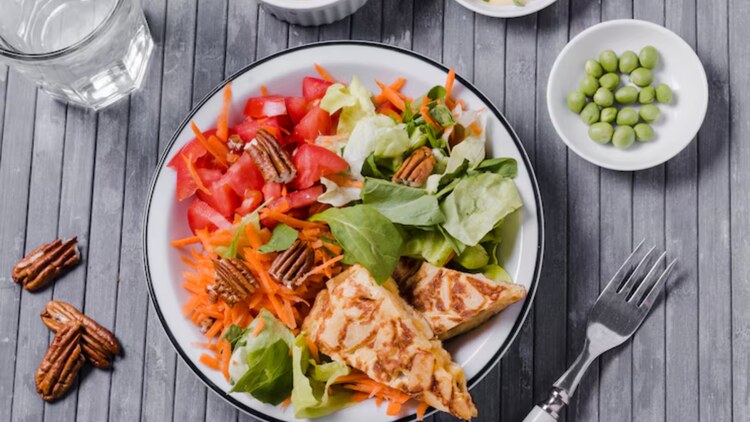
The Paleo diet, inspired by the eating habits of our Paleolithic ancestors, has surged in popularity over the last decade. By emphasizing whole foods like lean meats, fish, fruits, vegetables, nuts, and seeds—while excluding grains, legumes, dairy, and processed foods—it promises weight loss, improved metabolic health, and a return to “natural” eating.
Yet, despite its appeal, the diet faces criticism for its restrictive rules, potential nutritional gaps, and practicality in modern life. In this article, we’ll explore these challenges and offer solutions, including easy paleo dinner recipes and paleo meal ideas easy enough for busy lifestyles, to help you thrive on the Paleo diet without compromise.
Weakness 1: Nutritional Gaps – Missing Key Food Groups
One major critique of the Paleo diet is its exclusion of entire food groups like grains, legumes, and dairy. These foods provide essential nutrients such as fiber, calcium, B vitamins, and probiotics. Eliminating them can lead to deficiencies if not carefully managed.
Solutions:
- Boost Fiber Intake: While grains and legumes are off the table, prioritize fiber-rich vegetables like broccoli, Brussels sprouts, and spinach. Incorporate chia seeds, flaxseeds, and avocado for added fiber.
- Calcium Alternatives: Replace dairy with calcium-packed foods like kale, almonds, and canned salmon (with bones). Fortified non-dairy milks, such as almond or coconut milk, can also bridge the gap.
- Smart Supplementation: Consider a multivitamin or targeted supplements (e.g., vitamin D or calcium) after consulting a healthcare provider.
Weakness 2: Restrictive and Hard to Sustain
The Paleo diet’s strict rules can feel overwhelming, leading to low adherence or disordered eating patterns. Social situations, travel, and cravings for familiar foods like bread or cheese add to the challenge.
Solutions:
- Flexibility is Key: Modernize the diet by allowing occasional “gray area” foods like white rice (for active individuals) or grass-fed butter. Many Paleo followers find this makes the diet more sustainable.
- Easy Paleo Dinner Swaps: Recreate comfort foods with Paleo-friendly ingredients. Try cauliflower rice instead of grains, zucchini noodles for pasta, or almond-flour pancakes.
- Batch Cooking: Prepare large batches of soups, stews, or roasted vegetables at the start of the week. This reduces daily decision fatigue and ensures you always have a compliant meal ready.
For paleo meal ideas easy to customize, try sheet-pan dinners: toss veggies like bell peppers, sweet potatoes, and asparagus with olive oil, add a protein like chicken thighs or salmon, and roast at 400°F for 25 minutes.
Weakness 3: Cost and Accessibility
Grass-fed meats, wild-caught fish, and organic produce can strain budgets. For those in food deserts or on tight incomes, sourcing these items consistently is unrealistic.
Solutions:
- Budget-Friendly Proteins: Opt for cheaper cuts like chicken thighs or ground turkey instead of grass-fed steak. Canned fish (sardines, tuna) is affordable and shelf-stable.
- Frozen and Seasonal Produce: Frozen vegetables are equally nutritious and often cheaper than fresh. Buy seasonal fruits and veggies to save money.
- Prioritize Staples: Focus on affordable Paleo basics like eggs, sweet potatoes, and cabbage. A dozen eggs, for example, provide inexpensive protein for multiple meals.
Weakness 4: Lack of Long-Term Evidence
Most studies on the Paleo diet are short-term and small-scale, leaving questions about its long-term effects. Critics also argue that our ancestors’ diets were diverse and region-specific, making the “one-size-fits-all” approach questionable.
Solutions:
- Blend with Mediterranean Principles: Combine Paleo’s whole-food focus with the Mediterranean diet’s inclusion of olive oil, fish, and occasional whole grains or legumes. This hybrid approach balances nutrient density with flexibility.
- Listen to Your Body: Adjust the diet based on personal health goals and energy needs. Athletes, for instance, may benefit from adding starchy veggies like sweet potatoes.
- Stay Informed: Follow emerging research to refine your approach. For example, recent studies suggest some legumes (e.g., lentils) may be beneficial for gut health.
Sample 7-Day Paleo Meal Plan with Easy Paleo Dinner Ideas
Here’s a practical week of meals that address the diet’s weaknesses while keeping things simple:
Day 1
- Breakfast: Veggie omelet with spinach and mushrooms.
- Lunch: Chicken salad with mixed greens, avocado, and olive oil dressing.
- Easy Paleo Dinner: Sheet-pan lemon garlic salmon with roasted asparagus and cherry tomatoes.
Day 2
- Breakfast: Smoothie with coconut milk, berries, and spinach.
- Lunch: Turkey lettuce wraps with diced veggies.
- Paleo Meal Ideas Easy: Slow-cooker beef stew with carrots, celery, and sweet potatoes.
Day 3
- Breakfast: Sweet potato hash with ground pork and kale.
- Lunch: Tuna-stuffed avocado halves.
- Easy Paleo Dinner: Zucchini noodle stir-fry with shrimp and coconut aminos.
(Continue through Day 7 with similar balanced options.)
Conclusion: Making Paleo Practical
The Paleo diet’s emphasis on whole foods and avoidance of processed items aligns with timeless health principles. By addressing its weaknesses—through nutrient-dense swaps, budget hacks, and flexible paleo meal ideas easy to prepare—you can enjoy its benefits without rigidity or guilt. Whether you’re whipping up an easy paleo dinner for your family or experimenting with new recipes, the key is to adapt the diet to fit your lifestyle, not the other way around.