

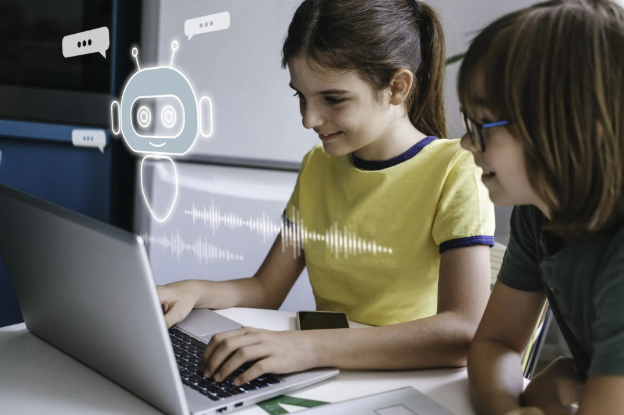
Education is entering a new era where technology is no longer just a support tool but a core part of how students learn and teachers teach. Artificial intelligence is leading this transformation by introducing smarter, faster, and more personalized ways of delivering education. AI-powered education solutions like ai for school, are helping modern schools improve learning outcomes, reduce administrative pressure, and create more engaging classroom environments that adapt to every student’s needs.
The Rise of AI in Modern Education
In recent years, schools around the world have started adopting AI-based systems to improve teaching quality and student performance. Traditional education models often struggle to meet the needs of diverse learners, especially in large classrooms where individual attention is limited. AI bridges this gap by analyzing student data, identifying learning patterns, and providing customized learning experiences.
These systems are not meant to replace teachers but to enhance their capabilities. By automating repetitive tasks and offering data-driven insights, AI allows educators to focus more on teaching and mentoring students effectively.
Personalized Learning for Every Student
One of the most impactful benefits of AI-powered education solutions is personalized learning. Every student learns at a different pace and has unique strengths and weaknesses. AI systems analyze student performance, engagement levels, and learning behavior to create customized study plans.
This means a student struggling with mathematics can receive additional practice problems and simplified explanations, while an advanced learner can be challenged with more complex material. Personalized learning ensures that no student is left behind and every learner progresses at their own speed, making education more inclusive and effective.
Intelligent Tutoring Systems
AI-powered tutoring systems are becoming a key part of modern classrooms. These virtual tutors provide instant assistance to students outside classroom hours, helping them understand difficult topics without waiting for teacher availability.
They use natural language processing to answer questions, explain concepts, and even guide students step-by-step through problem-solving processes. This continuous support system improves student confidence and encourages independent learning, which is essential for academic success.
Enhanced Teacher Productivity and Support
Teachers play a crucial role in shaping student success, but they often face challenges such as grading assignments, tracking progress, and managing classroom activities. AI-powered education tools help reduce this workload by automating routine tasks.
For example, AI can grade quizzes, analyze test results, and generate performance reports within seconds. It also identifies students who may need extra attention, allowing teachers to intervene early. This not only improves efficiency but also enhances the overall quality of teaching.
Smart Content Delivery Systems
Modern AI education platforms are designed to deliver content in the most effective way possible. Instead of static textbooks, students are exposed to dynamic content such as videos, interactive simulations, and adaptive quizzes.
These systems analyze how students interact with different types of content and adjust accordingly. If a student learns better through visuals, the system will prioritize video-based lessons. If another student prefers reading, it will provide more text-based resources. This intelligent content delivery ensures better understanding and retention.
Data-Driven Decision Making in Schools
AI provides schools with powerful analytics tools that help administrators make informed decisions. By collecting and analyzing data from student performance, attendance, and engagement, AI systems identify trends and potential issues early.
For example, if a group of students is consistently underperforming in a subject, the system can alert teachers and suggest curriculum adjustments. This data-driven approach helps schools improve academic outcomes and maintain higher educational standards.
Improved Student Engagement Through Interactive Tools
Keeping students engaged is one of the biggest challenges in education. AI-powered solutions address this by introducing interactive learning experiences such as gamification, quizzes, and real-time feedback systems.
Students earn rewards, badges, and achievements as they progress, making learning more enjoyable and motivating. Interactive tools also encourage participation, ensuring that students remain active participants rather than passive listeners in the classroom.
Bridging Learning Gaps with Adaptive Technology
Not all students start at the same level, and learning gaps can often affect long-term academic success. AI helps bridge these gaps by continuously monitoring student progress and identifying areas of weakness.
Once a gap is detected, the system provides targeted exercises, revision materials, and practice tests to help students improve. This adaptive approach ensures that foundational knowledge is strong before moving on to advanced topics.
Virtual Classrooms and Remote Learning Support
AI has played a major role in the rise of virtual classrooms and remote learning environments. With AI-powered tools, students can attend classes from anywhere while still receiving a high-quality education experience.
Features like automated attendance tracking, real-time transcription, and intelligent doubt-solving systems make online learning more structured and efficient. This flexibility is especially valuable in today’s global education landscape where remote learning is becoming increasingly common.
Supporting Special Education Needs
AI is also making education more accessible for students with special needs. Speech recognition, text-to-speech tools, and adaptive interfaces help students with disabilities learn more effectively.
For example, visually impaired students can use AI-powered reading tools that convert text into audio, while students with learning difficulties can benefit from simplified content formats. This inclusivity ensures that every student has equal access to quality education.
Continuous Assessment and Real-Time Feedback
Traditional exams provide limited insight into student progress, but AI-powered systems offer continuous assessment models. Students receive ongoing evaluations through quizzes, assignments, and interactive exercises.
Immediate feedback helps students understand their mistakes and improve quickly. This continuous learning cycle reduces exam stress and promotes deeper understanding of subjects rather than rote memorization.
Integration of AI with School Infrastructure
Modern schools are increasingly integrating AI into their existing infrastructure. From smart attendance systems to automated scheduling and communication tools, AI is streamlining school operations.
These systems reduce administrative workload and improve efficiency across departments. Teachers, students, and parents all benefit from better communication and more organized academic processes.
Preparing Students for the Future Workforce
AI-powered education is not just about improving current learning experiences; it is also about preparing students for the future. As industries become more technology-driven, students need to develop digital literacy, problem-solving skills, and adaptability.
By exposing students to AI tools early in their education, schools are helping them build skills that will be essential in future careers. This forward-thinking approach ensures that students are well-prepared for a rapidly evolving job market.
The Role of AI for School Transformation
The integration of AI in education is transforming how schools operate and how students learn. It creates a more personalized, efficient, and engaging learning environment that benefits everyone involved in the education system.
For institutions looking to modernize their teaching methods and improve student outcomes, adopting solutions like ai for school can be a significant step toward achieving long-term educational success.
Conclusion
AI-powered education solutions are revolutionizing modern schools by making learning more personalized, interactive, and data-driven. From intelligent tutoring systems and adaptive learning paths to real-time feedback and administrative automation, AI is reshaping every aspect of education.
As technology continues to evolve, the role of AI in schools will only grow stronger, creating smarter classrooms and more capable learners. Schools that embrace these innovations today are setting the foundation for a more advanced, inclusive, and effective education system for the future.