

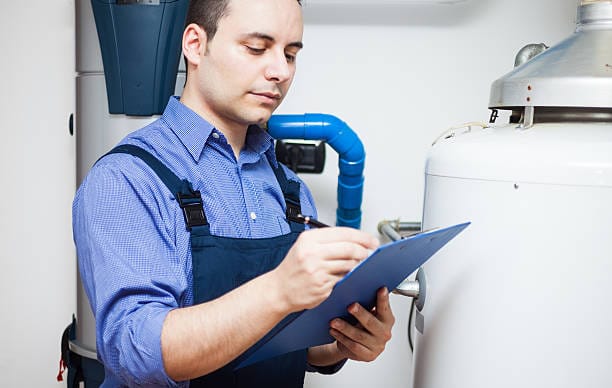
Replacing a water heater might seem like a simple swap of old for new—but in reality, it’s one of those home improvement tasks that can spiral into headaches if you’re not careful. Whether your unit gave out unexpectedly or you’re upgrading to something more efficient, it’s easy to make missteps that cost you money, comfort, and even safety. To help you avoid the pitfalls, we’ve put together a list of the most common mistakes people make when handling Water Heater Replacement—and how to do it right the first time.
1. Choosing the Wrong Size Water Heater
One of the biggest (and most common) mistakes homeowners make is selecting a unit that’s either too small or unnecessarily large for their household.
A too-small unit might mean cold showers and frustrated family members, while a too-large heater can drive up your energy bills for no reason. It’s essential to consider how many people live in your home, your peak usage times, and how many appliances use hot water simultaneously.
Quick Tip: A family of four typically requires a 50-gallon tank, but if you use multiple showers and laundry/dishwasher cycles at the same time, you might need a larger unit—or even consider a tankless system.
2. Ignoring Energy Efficiency Ratings
New water heaters come with Energy Factor (EF) or Uniform Energy Factor (UEF) ratings that indicate efficiency. Many homeowners overlook this rating and focus solely on upfront cost, but skipping energy-efficient models can cost you hundreds of dollars over time.
Paying a bit more now for a higher UEF-rated water heater will save you significantly in utility bills over the years.
Bonus: Energy-efficient units might also qualify for tax credits or rebates, which can help offset the initial investment.
3. DIY Installation Without Proper Knowledge
Yes, we all love a good DIY project—but a water heater isn’t the place to cut corners or test your skills. Whether gas or electric, water heaters involve plumbing, electrical, and sometimes gas line work. Mistakes here can lead to water damage, gas leaks, or even explosions in extreme cases.
If you’re not 100% confident in your ability to install the new unit safely and up to code, it’s best to hire a licensed plumber or contractor who specializes in Water Heater Replacement.
4. Forgetting to Check Local Building Codes and Permits
Most municipalities have specific codes and permit requirements for installing or replacing a water heater. Many homeowners skip this step, assuming they won’t get caught—but if something goes wrong or if you sell your home, you could face fines or even be required to remove and reinstall the unit.
Before you begin, contact your local building department to find out what permits and inspections are required in your area.
5. Not Flushing the New Unit Before Use
It might seem like a small step, but failing to flush your new water heater before use can lead to sediment buildup and performance issues down the line.
Most manufacturers recommend flushing the tank once it’s installed to remove any debris from shipping or manufacturing. It only takes a few minutes and ensures your system starts on the right foot.
Pro Tip: Continue flushing your unit annually to prolong its lifespan and maintain efficiency.
6. Replacing Like-for-Like Without Research
Technology evolves quickly, and water heaters are no exception. If your old unit was a conventional tank, it doesn’t mean that’s still the best option for your home. Tankless systems, hybrid models, and solar-powered heaters have gained traction for their energy savings and space efficiency.
Before automatically replacing your old heater with the same model, research what’s available. You might find an upgrade that offers better performance and long-term savings.
7. Incorrect Venting (For Gas Units)
Gas-powered water heaters need proper venting to safely exhaust carbon monoxide and other gases. Improper venting is a serious health risk and is one of the most critical safety aspects of water heater installation.
If you’re switching to a different type of gas water heater or changing its location, venting requirements may change too. Always ensure the venting system complies with local codes and manufacturer guidelines.
8. Poor Location Choice
Placing your new water heater in the same spot as the old one may seem like the easiest route, but it’s not always the smartest. Accessibility, insulation, and exposure to moisture or cold temperatures can all affect the longevity and efficiency of your unit.
In some cases, relocating the unit to a more insulated or accessible area can reduce energy costs and maintenance hassles.
Example: If your current unit is in an unheated garage, it may have to work harder during the winter. Moving it indoors or adding insulation can boost efficiency.
9. Not Installing a Drain Pan
A drain pan beneath your water heater is more than just an optional accessory—it can prevent water damage in the event of leaks or overflows. This is especially important if your heater is located on an upper floor or near finished living spaces.
Pair the pan with a drain line to a floor drain for maximum protection.
10. Forgetting Expansion Tanks
Thermal expansion is what happens when water heats up and expands. In a closed plumbing system (common in many homes), this can lead to increased pressure and potentially damage your plumbing or water heater.
Installing an expansion tank helps relieve that pressure and is even required by code in many areas. Don’t skip it—this small device could save you a big plumbing bill later.
11. Skipping the Warranty Registration
Most new water heaters come with manufacturer warranties, but many require that you register the product within a specific window of time. It’s an easy step to miss—but one that could cost you in the future if your unit needs repairs.
Take five minutes after installation to fill out the warranty registration online or by mail. It’s a simple way to protect your investment.
12. Ignoring Regular Maintenance After Installation
After the new water heater is installed, it’s tempting to forget about it altogether—out of sight, out of mind. But regular maintenance like flushing the tank, checking the anode rod, and inspecting valves is essential for extending the lifespan of your heater.
Set a reminder to perform routine maintenance every 6 to 12 months, and schedule professional inspections if needed.
Final Thoughts: A Smooth Water Heater Replacement Is Possible
Replacing your water heater doesn’t have to be stressful or expensive. With a little planning and the right guidance, you can avoid the common mistakes that plague so many homeowners. Remember, a well-executed Water Heater Replacement can improve your home’s energy efficiency, provide consistent hot water, and even boost property value.
Whether you go the professional route or take the time to thoroughly research a DIY option, make sure to think beyond just the price tag. Consider energy savings, safety, and long-term reliability to make the best choice for your home.
So before you take the plunge on your new water heater, take a step back and double-check your approach. Avoiding these pitfalls will make the whole process smoother—and your showers hotter!