

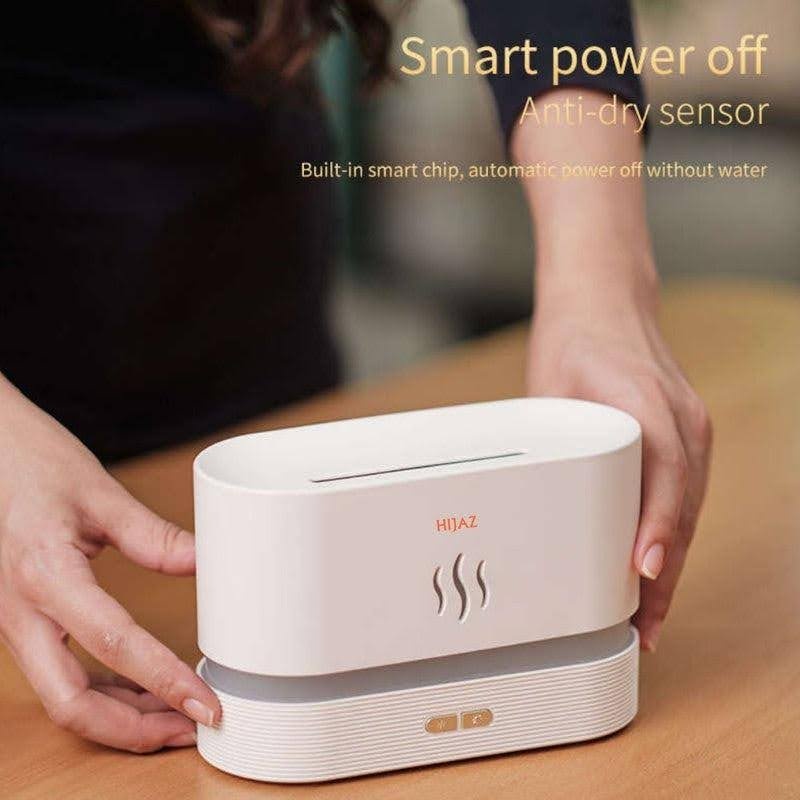
Walk into a home during the colder months and you can often feel it immediately—the dryness in the air. It shows up in subtle ways at first: dry skin, static electricity, irritated sinuses. Over time, it can also affect furniture, flooring, and even the efficiency of heating systems. While temperature tends to get most of the attention, humidity plays an equally important role in how comfortable and healthy an indoor environment feels.
Maintaining proper humidity isn’t just about comfort; it’s about creating a balanced indoor climate where both people and materials can thrive. Understanding how humidity works, and how to manage it effectively, can make a noticeable difference in everyday living.
What Humidity Really Means Indoors
Humidity refers to the amount of moisture present in the air. In residential settings, relative humidity is the key measurement, typically expressed as a percentage. Most experts agree that indoor levels between 30% and 50% provide the ideal balance between comfort and health.
When humidity drops below this range, the air becomes excessively dry. This can lead to respiratory irritation, increased susceptibility to colds, and discomfort that’s often mistaken for seasonal illness. On the other hand, overly humid conditions can encourage mold growth and dust mites, creating a different set of challenges.
For a technical overview of how these systems function, this resource explaining humidifiers provides useful context about how moisture is added to indoor air and the various technologies involved.
Why Dry Air Becomes a Problem
Impact on Health and Comfort
Dry indoor air can quietly affect daily well-being. It often leads to dry throats, itchy eyes, and cracked skin, especially during winter when heating systems are running constantly. For individuals with asthma or allergies, low humidity can worsen symptoms by irritating already sensitive airways.
Sleep quality may also be affected. Breathing dry air overnight can cause congestion or discomfort, making it harder to rest properly. These issues are easy to overlook but tend to build over time, particularly in climates with long heating seasons.
Effects on Home Materials
Wooden furniture, flooring, and even structural elements can suffer in low-humidity conditions. Wood naturally expands and contracts with moisture levels, and when the air is too dry, it can shrink, crack, or warp. Musical instruments, artwork, and other sensitive items are especially vulnerable.
Static electricity is another common side effect. While it may seem like a minor inconvenience, it’s often a sign that the indoor environment is out of balance. Addressing humidity can reduce these issues and create a more stable living space.
How Humidifiers Improve Indoor Environments
Humidifiers are designed to restore moisture to dry indoor air, helping maintain a comfortable and healthy balance. They come in various forms, from portable units that serve a single room to whole-home systems integrated directly into HVAC setups. Each type serves a different purpose, but the goal remains the same: consistent humidity control.
Whole-home humidifiers, in particular, offer a seamless solution. By working alongside existing heating and cooling systems, they distribute moisture evenly throughout the house. This eliminates the uneven conditions often experienced with standalone units and ensures that every room benefits from improved air quality.
Choosing the Right Home Humidifier Solutions
Selecting the right system depends on several factors, including home size, climate, and existing HVAC infrastructure. Portable humidifiers may work well for small spaces or temporary needs, but larger homes typically benefit from integrated systems that provide consistent coverage.
Working with professionals who specialize in home humidifier solutions can help ensure the system is properly matched to the environment. This includes evaluating airflow, identifying problem areas, and recommending equipment that aligns with both comfort goals and energy efficiency.
Installation quality also plays a significant role. A well-installed system operates quietly, requires minimal maintenance, and integrates smoothly with existing equipment. Poor installation, on the other hand, can lead to inconsistent performance or unnecessary wear on HVAC components.
The Connection Between Humidity and Air Quality
Humidity levels directly influence indoor air quality in ways that aren’t always obvious. Air that is too dry can allow airborne particles to remain suspended longer, increasing exposure to dust and allergens. Balanced humidity helps these particles settle more quickly, making them easier to remove through cleaning and filtration.
Humidity also affects how efficiently HVAC systems operate. When air contains the right amount of moisture, it feels warmer at lower temperatures, reducing the need for excessive heating. This can lead to improved energy efficiency and lower utility costs over time.
For those looking to improve overall indoor conditions, this guide on improving air quality with your AC system offers additional insights into how humidity control fits into a broader strategy for healthier air.
Maintaining Optimal Humidity Levels
Once a humidification system is in place, ongoing maintenance becomes essential. Regular cleaning prevents mineral buildup and ensures that the system operates efficiently. Filters, if present, should be checked and replaced according to manufacturer recommendations.
Monitoring humidity levels with a hygrometer can also help maintain consistency. This allows homeowners to make adjustments as needed, especially during seasonal changes when indoor conditions can shift quickly. Staying within the recommended range helps avoid both dryness and excess moisture.
It’s also worth considering how daily habits influence humidity. Activities like cooking, showering, and drying clothes indoors all add moisture to the air. Balancing these factors with proper ventilation ensures that humidity levels remain stable throughout the home.
Conclusion
Humidity is one of those elements that often goes unnoticed until something feels off. Whether it’s dry skin, persistent static, or subtle damage to household materials, the signs of imbalance are easy to overlook at first. Yet, maintaining proper humidity is fundamental to creating a comfortable and healthy indoor environment.
By understanding how humidity affects both people and living spaces, homeowners can make more informed decisions about their indoor climate. With the right systems in place and a consistent approach to maintenance, it’s possible to achieve a balance that supports comfort, efficiency, and long-term well-being.