

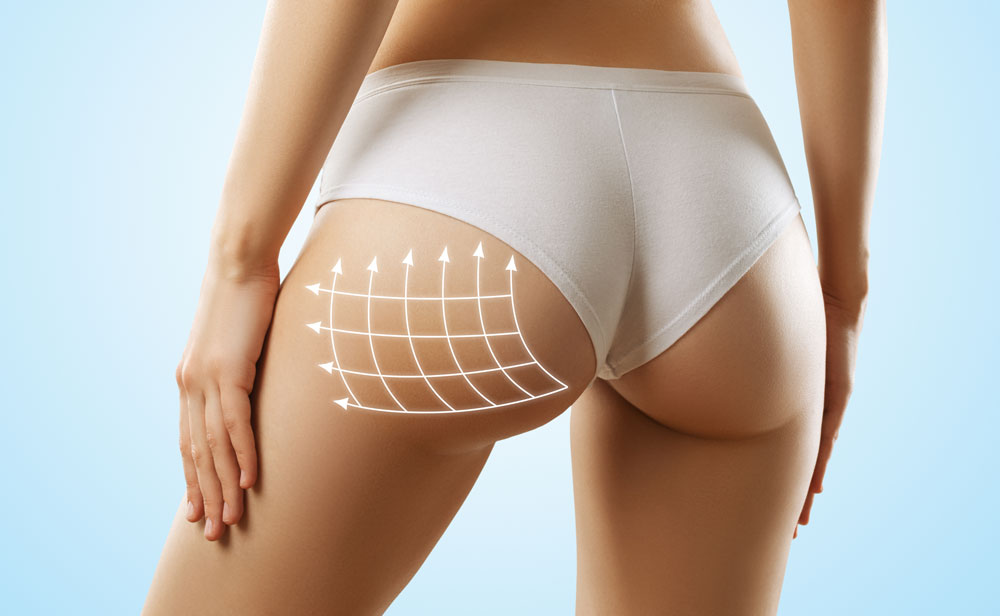
A Brazilian Butt Lift (BBL) is one of the most popular cosmetic procedures worldwide, known for enhancing body curves using your own fat. While the results can be beautiful and confidence-boosting, the success of the procedure does not depend on surgery alone. BBL recovery plays a crucial role in determining how well the transferred fat survives and how natural your final results look.
Recovery after a BBL requires patience, discipline, and proper care. Unlike many other cosmetic surgeries, BBL recovery involves specific restrictions, especially when it comes to sitting and sleeping. Understanding what to expect—and how to care for your body—can make the difference between average results and long-lasting, smooth contours.
This guide walks you through every stage of BBL recovery, from the first 24 hours to several months post-surgery, with practical tips to help you heal safely and effectively.
What Is BBL Recovery?
BBL recovery is the healing process following a Brazilian Butt Lift, a procedure that involves two main steps:
- Liposuction – fat is removed from areas such as the abdomen, waist, back, or thighs.
- Fat transfer – purified fat is injected into the buttocks to enhance shape and volume.
Because the surgery affects multiple areas of the body, recovery involves healing from both liposuction and fat grafting. The transferred fat cells are delicate and require proper blood supply to survive, which is why aftercare is so important.
The First 24–48 Hours After BBL Surgery
The first two days after surgery are often the most uncomfortable.
What You’ll Experience
- Swelling and bruising in both the liposuction areas and buttocks
- Soreness, tightness, and mild to moderate pain
- Fluid drainage from incision sites
- Fatigue and limited mobility
Pain is usually manageable with prescribed medications, but discomfort is normal during this stage.
Important Recovery Rules
- Do not sit or lie directly on your buttocks
- Sleep on your stomach or sides
- Wear your compression garment as instructed
- Drink plenty of fluids to avoid dehydration
Many surgeons recommend having someone assist you during this period, as simple movements can feel challenging.
Week 1 of BBL Recovery
The first week is critical for fat survival and overall healing.
Sitting Restrictions
During this phase, you should completely avoid sitting directly on your buttocks. If sitting is unavoidable (for example, using the toilet), it should be very brief.
Some patients use a BBL pillow, which supports the thighs while keeping pressure off the buttocks.
Swelling and Bruising
Swelling peaks during the first week and may make results look uneven or overly large. This is normal and temporary.
Mobility
Light walking is encouraged to improve blood circulation and reduce the risk of blood clots, but strenuous activity must be avoided.
Weeks 2–3: Gradual Improvement
By the second and third weeks, many patients notice significant improvements in comfort and mobility.
What Changes During This Phase
- Reduced pain and swelling
- Bruising begins to fade
- Improved energy levels
- Increased ease of movement
Sitting Guidelines
You may be allowed to sit for short periods using a BBL pillow, but prolonged sitting is still discouraged.
Compression Garments
Compression garments remain essential during this stage. They help:
- Control swelling
- Improve skin tightening
- Support the newly contoured areas
Wearing them consistently can greatly impact final results.
One Month After BBL Surgery
At around four weeks, many patients feel more like themselves again.
Physical Improvements
- Swelling continues to decrease
- Buttocks begin to feel softer and more natural
- Liposuction areas appear more defined
Sitting and Sleeping
Some surgeons allow limited direct sitting after one month, but pressure should still be minimized. Sleeping on your back is usually still restricted.
Activity Level
Light exercise such as gentle stretching or short walks may be allowed, but high-impact activities are still off-limits.
Months 2–3: Fat Stabilization Phase
This is one of the most important stages of BBL recovery.
Fat Survival
Not all transferred fat survives. By the end of three months:
- Surviving fat cells establish a permanent blood supply
- Final shape becomes more predictable
Typically, 60–80% of transferred fat survives, depending on surgical technique and aftercare.
Lifestyle Considerations
- Avoid significant weight loss, as it can reduce volume
- Maintain a healthy, balanced diet
- Stay hydrated
At this stage, results look more natural and proportionate.
Full BBL Recovery Timeline
While you may feel “normal” earlier, complete BBL recovery can take 6–12 months.
By this time:
- Swelling is fully resolved
- Fat has stabilized
- Scars have faded significantly
- Final results are visible
Patience is key—rushing recovery can compromise outcomes.
Essential Tips for a Smooth BBL Recovery
1. Follow Your Surgeon’s Instructions
Every surgeon has specific guidelines based on their technique. Ignoring instructions can lead to complications or fat loss.
2. Avoid Pressure on the Buttocks
Pressure reduces blood flow to newly transferred fat cells, increasing the risk of fat reabsorption.
3. Wear Compression Garments Properly
Too loose provides no benefit; too tight can restrict circulation. Fit matters.
4. Stay Hydrated and Eat Nutritious Foods
Protein-rich foods support healing, while healthy fats help maintain volume.
5. Avoid Smoking and Alcohol
Nicotine restricts blood flow and significantly increases the risk of fat loss and delayed healing.
Common Concerns During BBL Recovery
Is swelling normal?
Yes. Swelling can last several months and fluctuates throughout the day.
Why does my butt look uneven?
Early asymmetry is common due to swelling. It usually resolves over time.
When can I return to work?
- Desk jobs: 2–3 weeks (with BBL pillow)
- Physically demanding jobs: 4–6 weeks or more
Are lumps or firmness normal?
Yes. Hardened areas often soften with time and gentle massage if approved by your surgeon.
Possible Complications to Watch For
Although BBL is generally safe when performed by a qualified surgeon, complications can occur.
Seek medical attention if you experience:
- Severe or worsening pain
- Fever or chills
- Excessive redness or warmth
- Foul-smelling drainage
- Sudden shortness of breath
Early detection can prevent serious problems.
Emotional Side of BBL Recovery
Recovery isn’t just physical—it’s emotional too.
Many patients experience:
- Mood swings
- Temporary regret
- Anxiety about swelling or shape
This is normal. Results evolve over time, and early appearances do not reflect final outcomes. Trust the process.
Final Thoughts on BBL Recovery
BBL recovery is a journey, not a quick fix. While the surgery itself may take only a few hours, proper healing requires weeks of care and months of patience.
By following post-operative instructions, avoiding pressure on the buttocks, wearing compression garments, and maintaining a healthy lifestyle, you significantly increase your chances of achieving smooth, long-lasting results.
Remember: the effort you put into your recovery directly impacts the beauty and longevity of your BBL results. Treat your body with care, and it will reward you in the long run.