

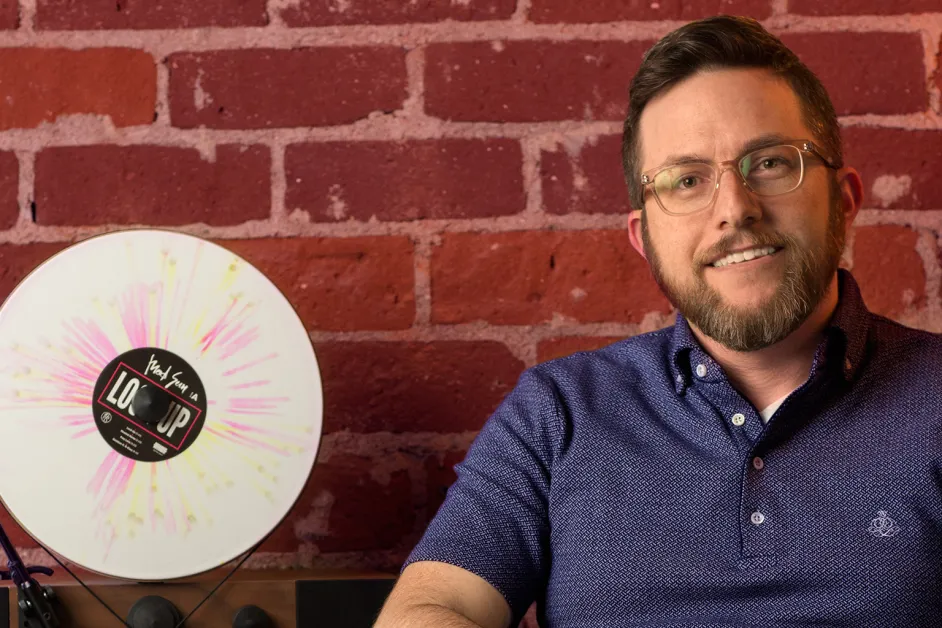
The conversation around the music business often circles back to the same points: streaming payouts, playlist placement, and the mysterious ways algorithms dictate what listeners hear next. While those topics dominate the headlines, one of the most vital aspects of a music career often gets overlooked: artist development. Industry veteran Benjy Grinberg notes that this behind-the-scenes work has always been the backbone of lasting careers; however, in today’s streaming-driven environment, it has become both undervalued and increasingly challenging to sustain. Understanding how artists, labels, and creative teams adapt to this reality reveals the invisible labor that shapes not only careers but also culture itself.
The Short-Term Mindset of Streaming
The streaming economy thrives on immediacy. Artists are judged by how quickly a single can rack up plays, break into curated playlists, or go viral on TikTok. Success is measured in short bursts of data, where spikes in monthly listeners or trending moments can mean the difference between an artist being “hot” or forgotten.
This creates a tension: streaming platforms are designed for instant gratification, but actual artist development is a slow and layered process. It involves nurturing talent, cultivating a voice, and crafting a story that fans connect with over time. The irony is that the most successful long-term artists still rely on this foundation, but the industry machinery often prioritizes quick wins over sustainable careers.
What Artist Development Really Involves
Artist development is not just about teaching someone how to sing better or record a catchy track. It encompasses branding, creative strategy, storytelling, community building, and shaping an identity that resonates across music, visuals, and public presence. A strong development process prepares artists for more than a viral moment—it equips them to handle growth, setbacks, and industry shifts.
Think of some of the biggest names in music today. Their artistry extends beyond the songs into visual worlds, consistent themes, and communities of fans who feel like they are part of the journey. That doesn’t happen by accident. It comes from deliberate planning, mentorship, and countless hours of behind-the-scenes work that audiences rarely see.
The Decline of Traditional Support Systems
In past decades, record labels often played a heavy role in artist development. A new signing might spend years honing their sound, image, and live performance before releasing a major debut. Labels invested in long-term strategies because physical album sales and radio play rewarded consistency.
Today, those same labels are pressured by the economics of streaming. Singles, not albums, drive momentum. Viral visibility often outweighs careful cultivation. As a result, fewer resources are allocated to artist development, and many musicians are left to figure out their own paths with minimal institutional support. Independent artists face an even greater challenge, balancing the creative grind with the demands of marketing, content creation, and personal branding.
The Role of Mentors and Creative Teams
Even as formal label-driven development has declined, other forms of support have stepped in. Managers, creative directors, producers, and mentors often take on the role of guiding artists beyond just the music. They help shape long-term strategies, refine branding, and ensure that artists are building something more enduring than a viral clip.
This collaborative model reflects the reality of the modern music industry: no one can do it all alone. Artists need teams who understand both the art and the business, who can translate a creative vision into an ecosystem that fans want to engage with. The hidden labor of these mentors and collaborators often determines whether an artist can transition from a fleeting hit to a lasting presence.
Community Building in the Streaming Era
One of the most overlooked aspects of artist development is community. In the past, fan clubs and live tours played a significant role in fostering connections. Today, Benjy Grinber points out that social media offers unprecedented access, but it also creates noise and fleeting interactions.
Artists who succeed in this environment are those who focus on building authentic, lasting communities. This could mean nurturing fan conversations, sharing creative processes, or creating spaces where listeners feel personally invested. Development in the streaming age is not just about perfecting the music, but about crafting a universe where fans want to stay.
Balancing Metrics with Longevity
The challenge for artists and their teams is finding a balance between short-term metrics and long-term vision. While streaming numbers and viral moments can open doors, they cannot substitute for substance. A career built only on spikes will eventually flatten out.
The artists who endure are those who use data as a tool rather than a compass. They recognize that streams, likes, and shares are necessary signals, but the objective measure of success lies in whether their art resonates over time. Development is what bridges that gap, ensuring that fleeting attention can evolve into lasting loyalty.
Rethinking Artist Development for the Future
The streaming era demands a redefinition of what artist development entails. Although it may no longer be a label-driven process, its necessity has not disappeared. Instead, it has shifted into a more fragmented, collaborative effort involving managers, creative partners, mentors, and fans themselves.
For the next generation of artists, development will mean more than refining a sound. It will require building multidimensional identities, crafting narratives that extend beyond music, and finding ways to sustain creativity in an environment where attention is both constant and fleeting. The hidden labor of this work may never make headlines, but it remains the quiet force that turns moments into movements.
Conclusion
Benjy Grinberg believes streaming has transformed the way music is consumed, discovered, and monetized, but it has not eliminated the need for artist development. The hidden labor of nurturing talent, building communities, and shaping long-term visions has become even more critical in a world obsessed with short-term results. The future of music will not be written solely by algorithms or playlists, but by the artists and teams who put in the invisible work to create something that lasts.