

Choosing the right time to visit the Philippines can make a big difference in how much you enjoy your trip. With its tropical climate and thousands of islands, weather patterns affect everything from beach conditions to boat schedules and hiking plans. While the country is beautiful year-round, understanding the seasons will help you travel smarter and get the most out of your experience.
Understanding the Philippine Climate
The Philippines has a tropical climate with two main seasons: dry and wet. Temperatures remain warm throughout the year, so the biggest factor to consider isn’t cold, but rainfall, sea conditions, and humidity.
Because the country stretches across a wide area, weather can vary slightly by region, but general seasonal patterns still apply for most travelers.
Dry Season: The Most Popular Time to Visit
The dry season, typically from late November to early May, is considered the best time to visit the Philippines. During these months, days are mostly sunny, humidity is lower, and seas are calmer. This makes it ideal for beach trips, island-hopping, and outdoor activities.
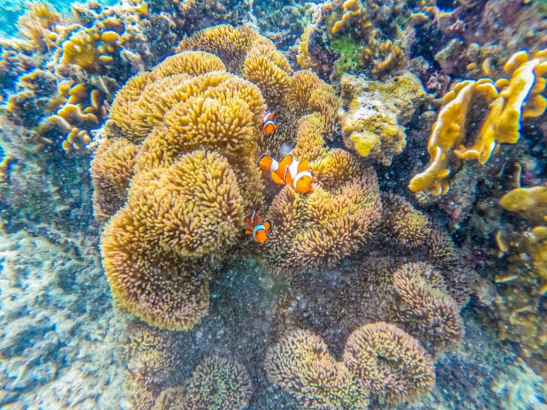
Destinations like Palawan are at their best during this period. Clear skies and calm waters are perfect for Tours in Palawan, including lagoon visits, snorkeling, and coastal exploration. Boat schedules are more reliable, and visibility in the water is excellent.
However, this is also peak travel season. Popular destinations can be busier, and accommodation prices may be higher, especially during holidays and school breaks.
Wet Season: Fewer Crowds, Lower Costs
The wet season usually runs from June to October. Rainfall varies, and it doesn’t necessarily mean constant rain. Many days still have sunshine, with showers often happening in the afternoon or evening.
For budget travelers, this season can be appealing. Hotels and tours often offer lower rates, and popular areas are less crowded. If you’re flexible and don’t mind occasional rain, you can still enjoy beautiful scenery and relaxed travel.
Some remote destinations may be harder to reach during this time. Boat Tours Balabac, for example, are more dependent on sea conditions and may be limited during rough weather. Always check forecasts and local advice when planning trips during the wet season.
Shoulder Months: A Balanced Option
The months just before and after peak season are often the best compromise. Late November and early December, as well as April and early May, offer good weather with fewer crowds than the busiest months.
During these periods, seas are generally calm, making island travel smoother, while prices are slightly more reasonable. This is a great time for travelers who want both good conditions and a more relaxed atmosphere.
Best Time for Specific Activities
If your trip focuses on beaches and island-hopping, the dry season offers the best experience overall. Clear water and calm seas enhance snorkeling and boat travel.
For hiking and inland exploration, cooler months within the dry season are more comfortable. If diving or marine activities are your priority, visibility is typically best when seas are calm and rainfall is low.
Travelers planning multi-island itineraries benefit from visiting when transportation is reliable, especially in destinations that rely on small boats.
Final Thoughts
The best time to visit the Philippines depends on your travel style, budget, and priorities. If you want guaranteed sunshine and smooth travel, the dry season is ideal. If you prefer fewer crowds and lower costs, the wet season can still offer rewarding experiences with the right planning.
Whether you’re joining Tours in Palawan, exploring remote islands through Boat Tours Balabac, or simply relaxing on a quiet beach, timing your trip well ensures you experience the Philippines at its best. With warm hospitality and natural beauty year-round, the country always has something special to offer.