

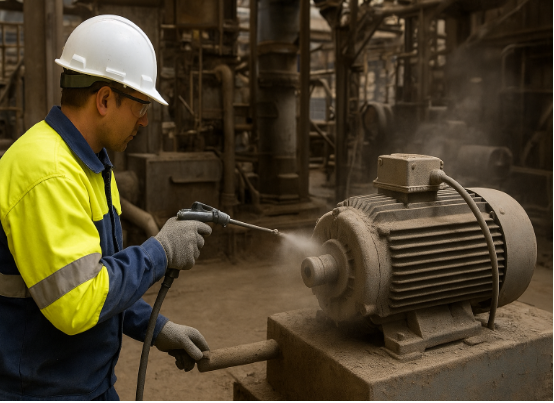
Effective Strategies for Dust Removal in Industrial Settings
Industrial environments from manufacturing plants in Melbourne’s western suburbs to warehouses around Dandenong, Clayton, and Sunshine, are prone to significant dust accumulation. Dust buildup can damage equipment, reduce productivity, and pose safety hazards. Ensuring clean, dust-free machinery is essential for maintaining operational efficiency and prolonging the life of your assets. This article outlines the most effective ways to remove dust from industrial equipment while maintaining safety and compliance.
Why Dust Removal Matters
Dust may seem harmless, but in industrial settings, it can lead to equipment overheating, clogged filters, unexpected breakdowns, and even fire risks. When dust is allowed to settle on moving components, it can grind into surfaces and accelerate wear. Over time, this can increase maintenance costs and lead to downtime—something businesses across Greater Melbourne strive to avoid.
Proper dust removal does more than maintain machinery. It also supports worker health, improves air quality, and helps companies comply with safety regulations. Once you understand its importance, you can implement cleaning strategies that deliver real, measurable benefits.
Best Methods to Remove Dust from Industrial Equipment
1. Compressed Air Cleaning
Using compressed air is one of the most common approaches for removing dust from hard-to-reach areas. Operators carefully blow air across vents, motors, switches, and grooves to dislodge debris. However, this method must be used with caution—too much pressure can force dust deeper into internal components.
2. Professional Cleaning Services
Sometimes equipment requires deeper, scheduled cleaning performed by trained specialists. In many facilities across Melbourne, businesses rely on Industrial cleaning Melbourne services for large-scale or high-risk projects. These experts use advanced tools and follow strict safety protocols to ensure thorough dust removal while minimizing downtime.
3. Vacuum Extraction
Industrial-grade vacuums effectively capture dust at the source without dispersing particles into the air. High-efficiency units with HEPA filters are ideal for equipment in production areas near suburbs like Braeside and Moorabbin, where fine powder or sawdust is common.
4. Wiping and Surface Cleaning
For flat or exposed surfaces, using microfiber cloths or antistatic wipes ensures that dust is removed rather than redistributed. Regular wipe-downs also help identify early signs of equipment wear.
5. Wet Cleaning Techniques
When moisture is not a hazard, wet cleaning methods allow dust to be trapped and removed without becoming airborne. This is especially useful in facilities processing food, chemicals, or pharmaceuticals.
Tips for Maintaining Dust-Free Equipment
- Create a cleaning schedule: Regular maintenance prevents excessive buildup.
- Use protective covers: Shields and casings reduce dust exposure on idle machines.
- Improve ventilation: Adequate airflow reduces airborne particles and protects equipment.
- Install dust extraction systems: Particularly beneficial in workshops near areas like Mulgrave, Keysborough, and Campbellfield.
- Train staff: Proper handling ensures cleaning is done safely and consistently.
While many businesses perform routine cleaning internally, more complex tasks often require professional support. In facilities that handle sensitive machinery or high-volume production, companies such as Sparkle Commercial Clean are often trusted to handle heavy-duty cleaning without interrupting operations.
Common Mistakes to Avoid
- Using high-pressure air recklessly: This spreads dust or damages components.
- Skipping filter maintenance: Air filters must be cleaned or replaced regularly.
- Ignoring manufacturer guidelines: Each machine has specific cleaning requirements.
- Delaying cleaning: Waiting for visible dust can lead to costly consequences.
FAQs
- How often should industrial equipment be cleaned?
Cleaning frequency depends on the environment and type of equipment, but many facilities schedule weekly or monthly maintenance, with deeper cleaning performed quarterly. - Can dust damage sensitive machinery?
Yes. Dust can cause overheating, contamination, blockages, and electrical malfunctions, especially in precision equipment. - Is professional industrial cleaning worth the cost?
In most cases, yes. Professionals reduce the risk of damage, extend equipment lifespan, and ensure compliance with safety regulations.
Conclusion
Dust removal is a crucial part of industrial maintenance, especially in busy manufacturing zones across Melbourne and surrounding regions. By combining regular in-house upkeep with professional cleaning when necessary, businesses protect their equipment, their workers, and their productivity. Following the methods outlined above will help ensure your machinery remains in top condition, supporting smooth operations year-round.