

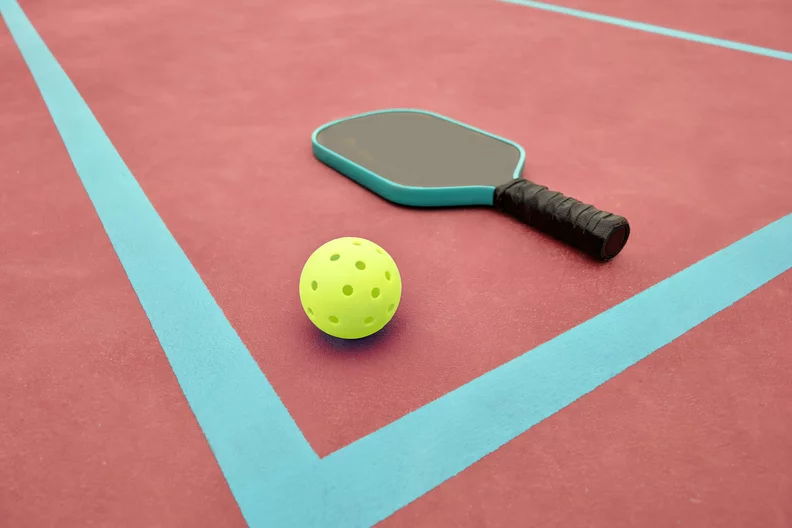
Modern Pickleball Paddle Innovations
In recent years, there has been a surge in pickleball paddle technology. Manufacturers now use cutting-edge core materials, like polymer honeycomb and advanced foam. These help improve control and power. New surface coatings introduce textures that boost spin, all while reducing noise. Automated processes and precise quality checks have led to more consistent paddles. These advances fuel the sport’s popularity by giving new and seasoned players better equipment. As paddle choices grow—with slimmer profiles, ergonomic handles, and lighter designs—players can find paddles that fit their style, bringing more excitement and variety to matches.
Composite vs Graphite Paddles: Striking the Right Balance
Composite paddles and graphite paddle options each offer distinct performance qualities. Composite paddles typically provide a softer touch with moderate stiffness, making them forgiving and versatile. Graphite paddles are stiffer and generate faster ball speed, appealing to players who value “pop.”
Players focused on quick volleys and finesse benefit from composite paddles. Power hitters often favor a graphite paddle for its responsiveness.
Pros and Cons Comparison
| Composite Paddles | Graphite Paddle | |
| Stiffness | Medium | High |
| Pop | Moderate | Strong |
| Durability | Excellent | Good |
| Control | High | Moderate |
| Best for | All-court/control players | Power/aggressive players |
| Cost | Moderate | Moderate–High |
Choose based on swing preference and playing style.
Textured Surfaces for Increased Spin Potential
Surface texture and face patterns have a direct effect on ball grip and spin. Spin-oriented paddles use roughened coatings or 3D patterns. Testing by labs and top players shows textured faces can add measurable RPMs to shots compared to smooth designs. This extra spin helps players hit sharper angles and trickier drop shots, especially near the net. As a result, paddles with woven carbon fiber or grit finishes are popular among those seeking more control and deception during fast rallies. Picking a paddle with the right grip pattern can turn ordinary slices or topspins into serious weapons.
Weight and Balance: Finding Your Sweet Spot
Paddle weight and balance influence performance and comfort. Lightweight paddles (7.0–7.5 oz) allow rapid movements and quick volleys. Midweight (7.6–8.4 oz) offers a balance between power and control. Heavy paddles (8.5+ oz) deliver strong hits but may cause quicker fatigue.
Balance also matters:
- Head-heavy paddles add power but slow quick reactions.
- Head-light paddles improve wrist action and touch.
Player Match-Ups
| Player Type | Weight/Balance Recommendation |
| Doubles Specialist | Lightweight paddles, head-light |
| Singles Grinder | Mid–heavy, head-heavy for extra reach |
| All-court Player | Midweight, neutral balance |
Pick weight and balance that match your play style to avoid sore arms and stay sharp.
Price Points: Investing Wisely in Your Next Paddle
Pickleball paddles come in three main price tiers:
- Entry-level ($40–$70): Basic cores, plain composite covers, minimal edge guards.
- Mid-range ($70–$120): Improved cores (polymer or foam), stronger edge guards, better grip designs.
- Premium ($120+): High-grade cores, advanced surface textures, reinforced edges, refined adhesives for longer life and feel.
A higher price tag often brings more advanced features, but not everyone needs them. Beginners may favor entry-level paddles to learn fundamentals. More experienced players might invest in premium features for a performance boost. Weigh budget against features, always choosing fit over cost. For a closer look at current models, see pickleball paddles.
Future Trends in Pickleball Paddle Design
Advanced pickleball paddle designs are on the horizon. Industry insiders previewed paddles with embedded sensors at recent expos, tracking swing speed and shot accuracy. Manufacturers show prototypes using eco-friendly composites from recycled carbon and natural fibers. AI-driven platforms promise customized suggestions based on player analytics. These innovations aim to match paddles to each player’s needs more closely, taking the sport to new performance levels. Watch for developments that blend sustainability, technology, and fine-tuned personalization in the next wave of paddles.
Choosing Your Paddle: Match Technology to Your Game
Selecting the right paddle involves weighing material, surface texture, weight, balance, and budget. Players who want more spin should test different face textures, while those focused on fast doubles matches might favor lightweight paddles. Trying demo paddles or attending paddle events lets players compare feel and performance before buying. The most suitable paddle boosts both confidence and skill on the court. With technology advancing each season, the right choice could mean better placement, stronger defense, or new tactics, setting up your next big leap in match play.