

Key Takeaways
- Termites can quietly cause significant property damage over time.
- Many homeowners overlook early warning signs, increasing the risk.
- Simple preventative measures can help protect your home.
- Understanding termite behavior is key to effective control.
- Proactive maintenance and inspections reduce long-term costs.
What Are Termites? Unmasking the Silent Invaders
Termites are social insects found in nearly every part of the world, with more than 2,700 known species. Unlike ants, which have a visible waist and bent antennae, termites have a broad waist and straight antennae. They feed primarily on cellulose, making the wooden structures in homes a target for their colonies. By breaking down tough plant fibers, termites play a vital role in natural ecosystems, but their presence in human habitats is costly and damaging.
For homeowners, understanding the difference between termites and other pests is critical. Ants, for example, don’t eat wood but may be mistaken for termites when they swarm; however, only termites cause extensive hidden wood damage. Suppose you’re in an area prone to infestations. In that case, reaching out to termite inspection and control experts in Tulsa is a reliable strategy to protect your property.
Termite Habitats: Where Do They Thrive?
Termites thrive in warm, humid climates and are found on every continent except Antarctica. They build elaborate colonies underground, within walls, and even in dry, exposed wood. Moisture-rich areas, such as basements or crawlspaces, are especially attractive to termites, making homes in these regions particularly vulnerable. Wood in direct contact with the soil, leaking pipes, and poorly ventilated spaces provides ideal conditions for termites to settle and multiply.
The appeal of residential homes as termite habitats lies in the ready availability of food and moisture. Cellulose-based materials, such as framing timber, paper, and certain fabrics, can support growing colonies. Regular inspections and moisture control are the first lines of defense against these intruders.
The Extent of Termite Damage: Facts and Figures
Termites cause more than $5 billion in property damage each year in the United States, often without homeowners realizing it until it’s too late. This figure is startling not only for its magnitude but also because most homeowners’ insurance policies do not cover termite damage, categorizing it as preventable through maintenance. According to NC State, the destructive potential of a termite colony is amplified by their cryptic behavior, working quietly around the clock within walls, floors, and foundations.
Inside the Colony: The Hidden Roles of Termite Castes
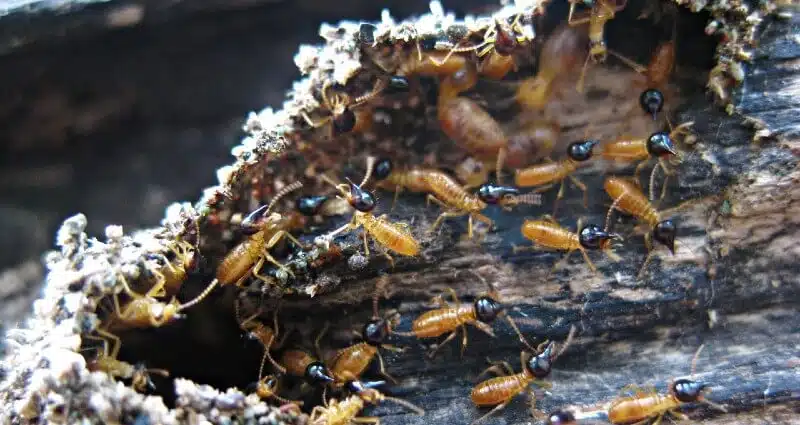
Termite colonies are complex societies made up of specialized castes: workers, soldiers, and reproductives. Workers are responsible for foraging, feeding, and maintaining the nest. Soldiers defend the colony against predators, mainly ants. Reproductives, including the king and queen, ensure the continuity of the colony. This organized structure allows termite colonies to grow exponentially and repair damage rapidly, which is why infestations often go unnoticed until significant harm has occurred.
Signs of an Infestation: What Homeowners Should Watch For
Early detection is key to preventing extensive termite damage. Homeowners should watch for hollow-sounding wood, visible tunnels in timber, piles of discarded wings (especially near doors and windows), small mounds of what appears to be sawdust (actually termite droppings), and subtle clicking noises within walls. Doors or windows that stick without a visible reason may also signal an infestation.
Termite Swarming: Nature’s Alarm Clock
Swarming is a reproductive event in termite colonies, typically occurring in spring or early summer. Swarmers (winged reproductive termites) leave the nest in large numbers to establish new colonies. Discovering swarms or their shed wings inside your home is a major warning sign—homeowners should seek professional assessment immediately.
DIY vs. Professional Solutions for Termite Prevention
Many homeowners are tempted to try natural remedies or retail pesticide products. While methods such as neem oil, orange oil, or installing sand barriers can offer minimal, short-term relief, they often fail to address the root of the problem: hidden nesting sites and expanding colonies. Professional termite control providers are equipped with the tools and expertise to assess, treat, and monitor at-risk areas. Consulting trained experts is strongly recommended if you suspect a problem or live in a high-risk region.
Environmentally-Friendly Termite Control
As environmental concerns grow, so does interest in eco-friendly termite treatments. Methods such as baiting systems, physical barriers, and deploying biological controls (like beneficial nematodes) offer targeted results with reduced environmental impact. Ongoing research into low-toxicity chemicals and integrated pest management promises even greener control options in the future. Homeowners should ask their pest professionals about available sustainable solutions.
The Global Picture: Termite Control Around the World
Termite management practices differ by region, dictated by local termite species and building customs. In the tropical areas, construction often includes termite-resistant materials and mandatory soil treatments during building stages. Countries with mature pest management industries apply integrated strategies, combining inspection, monitoring, and targeted therapy.
Simple Steps Every Homeowner Can Take Today
- Inspect your home yearly for mud tubes, wood damage, or discarded wings.
- Keep firewood, lumber, and paper away from your foundation.
- Ensure good drainage and fix any leaking pipes or exterior faucets.
- Reduce wood-to-soil contact around your home’s perimeter.
- Seal cracks and crevices in your home’s foundation.
- Invest in routine professional inspections if you live in a high-risk area.