

Modern work and daily routines often require your eyes to shift between different distances. You may read a document on your desk, look at a computer screen, check your phone, and then focus on something across a room within a few minutes. Carrying separate pairs of glasses for every situation can quickly become inconvenient. Bifocal readers with transition lenses offer a versatile approach by combining near-vision support with lenses that can adapt to changing light conditions.
For professionals, students, frequent travelers, and anyone who moves between indoor and outdoor environments, this combination can provide practical benefits. Bifocal readers are designed to support more than one viewing distance, while transition lenses are photochromic lenses that darken when exposed to appropriate ultraviolet light and return toward a clearer state when the activating light is reduced. Together, these technologies can create a flexible eyewear solution for people whose visual needs change throughout the day.
What Are Bifocal Readers?
Bifocal readers are glasses that contain two distinct optical powers within the same lens. One portion is intended for near vision, while another area provides correction for distance vision. This design allows the wearer to look through different parts of the lens depending on the task being performed.
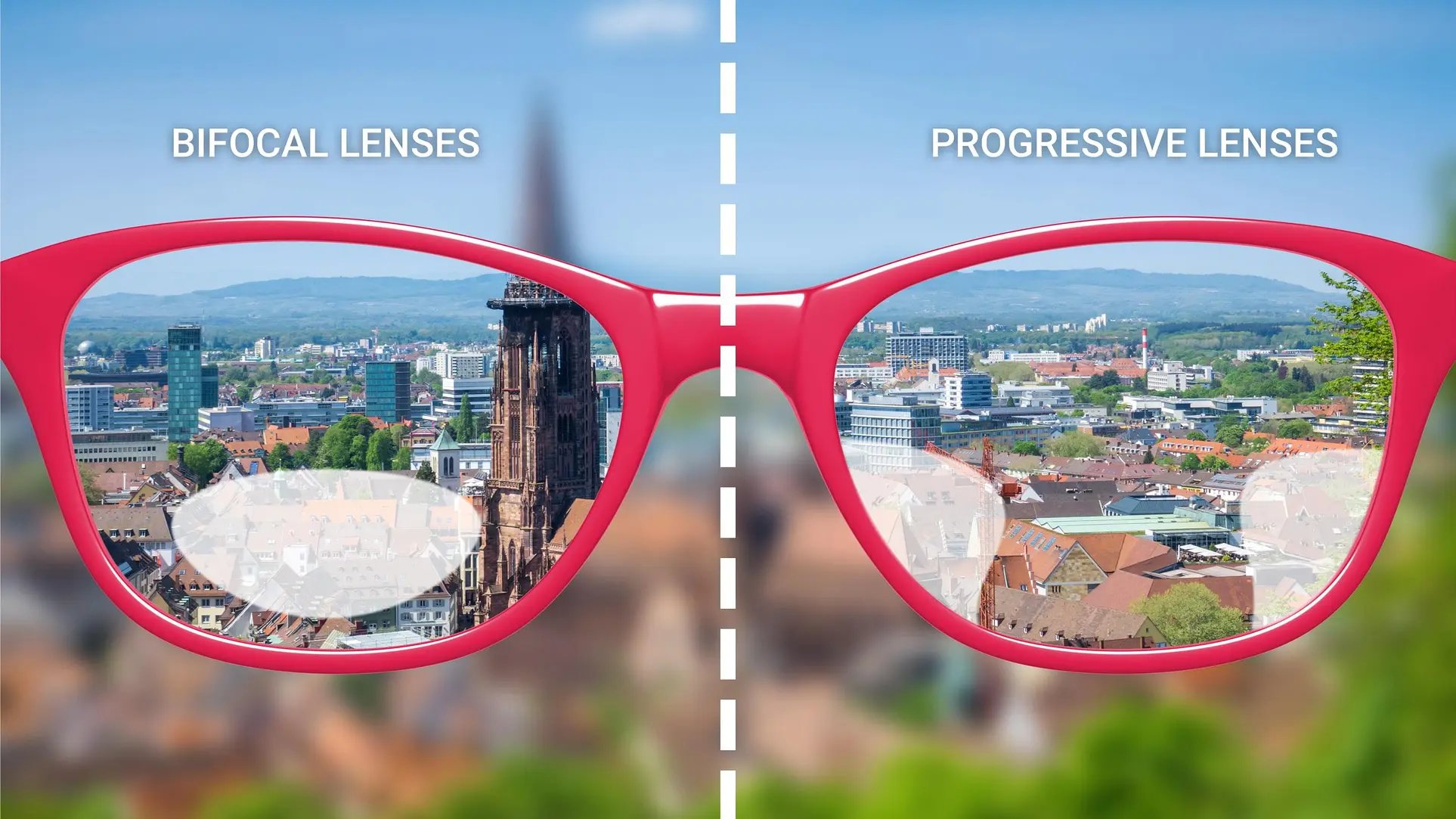
Traditional bifocal lenses usually have a visible dividing line between the distance and near sections. The near segment is commonly positioned toward the lower part of the lens so the wearer can look through it when reading or doing close-up work. This arrangement can be particularly useful for people who need assistance with near vision but also want to maintain useful distance vision without changing glasses.
What Are Transition Lenses?
Transition lenses, commonly known as photochromic lenses, are designed to respond to changes in light exposure. They become darker when exposed to sufficient ultraviolet radiation and gradually become clearer when the activating UV exposure is reduced. The exact speed and degree of darkening can vary according to the lens technology, temperature, light conditions, and environment.
Unlike permanently tinted sunglasses, transition lenses are designed to provide variable tint rather than the same darkness at all times. This makes them useful for people who move frequently between indoor and outdoor environments. They can reduce the need to carry a separate pair of prescription sunglasses for certain everyday situations.
How Bifocal Readers With Transition Lenses Work
Combining bifocal readers with transition technology gives the lens two different types of functionality. The bifocal design addresses the need for different optical powers, while the photochromic component changes the lens tint according to light exposure.
During indoor work, the lenses generally remain relatively clear, allowing the wearer to use the near segment for reading or close tasks. When the wearer goes outdoors and the lenses receive sufficient activating UV exposure, the lenses darken. The optical powers remain part of the lens design while the tint changes according to the surrounding light conditions.
Why Professionals May Prefer This Combination
Professionals often move between multiple visual tasks throughout the day. A person might review printed documents, work on a laptop, attend a meeting, check a smartphone, and then walk outside to another location. Having one pair of eyewear that supports different viewing distances and changing light can simplify these transitions.
Bifocal readers with transition lenses can therefore be particularly appealing to people who value convenience. Instead of constantly switching between reading glasses, regular prescription glasses, and sunglasses, one pair may cover several common situations. However, whether this arrangement is appropriate depends on the individual’s prescription, visual habits, and comfort with bifocal lens design.
Bifocal Readers for Office Work
Office environments involve frequent changes between near and intermediate distances. Reading printed documents requires close vision, while computer monitors generally sit farther away. Looking across a conference room introduces another distance altogether.
Bifocal lenses provide a designated near section while the upper portion is intended for distance vision. This can work well for certain users, but people who spend many hours working at intermediate computer distances may need a different multifocal design. An eye-care professional can help determine whether traditional bifocals are suitable for a particular working distance.
Using Transition Lenses During the Workday
The photochromic aspect of transition lenses can be convenient for professionals who regularly leave the office. Instead of taking sunglasses along for every short outdoor trip, the lenses can respond automatically to changing UV exposure.
For example, a professional might work indoors in the morning, walk outside for lunch, travel between buildings in the afternoon, and commute home later. The ability of photochromic lenses to adjust their tint can make these transitions simpler. However, users should understand that photochromic lenses are not identical to conventional sunglasses and may behave differently depending on the environment.
Bifocal Readers for Travel
Travel often involves rapid changes in viewing distance and lighting conditions. Reading a boarding pass, checking a phone, viewing signs, and looking at distant objects can all occur during a single journey. Carrying multiple pairs of glasses can add another item to an already busy travel routine.
Multifocal glasses can reduce the need to switch eyewear for different viewing distances. When combined with photochromic technology, they can also provide changing tint when the wearer moves into suitable outdoor light. A protective case is still important because versatile eyewear is only useful when the lenses and frame remain in good condition.
Outdoor and Indoor Transitions
One of the most obvious uses for transition lenses is moving between indoor and outdoor environments. A clear lens indoors can provide a normal viewing experience, while outdoor exposure can activate the photochromic material.
The response is gradual rather than instantaneous. When returning indoors, the lenses may take some time to become clear again, depending on the product and environmental conditions. This behavior is normal and should be considered when deciding whether photochromic lenses match your daily needs.
Are Transition Lenses the Same as Sunglasses?
No. Although transition lenses can become darker outdoors, they are not simply regular sunglasses with a changing tint. Their behavior depends on light exposure and the specific technology used in the lens.
Conventional sunglasses generally provide a consistent tint and are designed specifically for outdoor brightness. Photochromic lenses are intended to provide variable tint for changing environments. If you regularly spend extended periods in strong sunlight, you should discuss whether dedicated sunglasses would provide a better solution for those situations.
Bifocal Readers vs. Multifocal Glasses
The terms bifocal readers and multifocal glasses are related but do not describe exactly the same lens design. Bifocals generally contain two distinct optical zones, typically one for distance and one for near vision. Multifocal designs can include progressive lenses, which provide a continuous range of vision rather than a visible dividing line.
Progressive lenses can support distance, intermediate, and near viewing through different areas of the lens. This may be advantageous for people who frequently use computers or need several viewing distances throughout the day. However, adaptation can vary, and some people may prefer the clearly defined zones of traditional bifocals.
Choosing Between Bifocals and Progressive Lenses
The choice depends largely on your visual requirements and personal preferences. Bifocal readers offer clearly defined areas for different distances, which some users find straightforward. Progressive multifocal lenses provide a smoother transition between viewing distances but may require an adjustment period.
Professionals should consider how much time they spend reading, using computers, looking at people across a room, driving, and working outdoors. The ideal lens design is the one that supports the distances most important to your daily routine. An eye-care professional can use your prescription and working habits to recommend an appropriate option.
Advantages of Bifocal Readers With Transition Lenses
The combination offers several practical advantages for people who have changing visual needs. Near and distance vision can be incorporated into one pair, while the photochromic feature allows the tint to respond to appropriate outdoor UV exposure.
Another advantage is convenience. Instead of repeatedly changing glasses when moving between tasks or environments, users may be able to rely on one versatile pair for many common situations. This can be particularly useful for professionals who have unpredictable schedules or frequently move between offices, meetings, vehicles, and outdoor locations.
Limitations to Consider
No eyewear solution is ideal for every person or situation. Traditional bifocals have distinct optical zones, and some users notice the transition between them. People who need extensive intermediate computer vision may find that another multifocal design better matches their daily activities.
Photochromic lenses also have environmental limitations. Their darkening response depends on the light conditions and the particular lens technology. For example, vehicle windshields can reduce UV exposure, which may affect how strongly some photochromic lenses activate inside a car.
Comfort and Frame Selection Matter
Choosing the correct lens is only part of selecting multifocal glasses. The frame also needs to fit properly because lens positioning affects how easily the wearer can access the different optical areas. Frame size, bridge position, lens height, and temple fit can all influence the overall experience.
A poorly fitted frame can make even high-quality lenses uncomfortable or difficult to use. When selecting bifocal or multifocal eyewear, professional fitting can help ensure that the lenses are positioned appropriately. This is especially important because multifocal designs depend on accurate placement relative to the wearer’s eyes.
Caring for Bifocal and Transition Lenses
Proper glasses cleaning and storage can help preserve the lenses and frame. Use cleaning methods recommended for optical lenses and avoid abrasive materials that can create surface damage. A clean microfiber cloth and suitable lens-cleaning solution can be useful for routine care.
Store the glasses in a protective case when they are not being worn. Avoid exposing them unnecessarily to excessive heat because extreme temperatures can affect certain lens coatings and frame materials. Regular care is particularly important when the glasses are used as an everyday all-purpose pair.
Who Should Consider This Type of Eyewear?
Bifocal readers with transition lenses may be worth considering for adults who need both near and distance vision support and frequently move between indoor and outdoor environments. They can be particularly convenient for professionals, travelers, and active users who prefer not to carry several pairs of glasses.
However, suitability depends on individual vision requirements. People who need extensive intermediate vision, specialized occupational correction, or specific outdoor protection may benefit from a different lens design. A comprehensive eye examination and professional recommendation should guide the final choice.
How to Choose the Right Bifocal Readers
Start by identifying the distances you use most throughout the day. Consider whether you primarily read printed material, work at a computer, drive, attend meetings, or move frequently outdoors. These details can help an eye-care professional understand which optical design is most appropriate.
Next, consider the frame and lens material. Comfort, durability, lens thickness, coating options, and frame dimensions can all influence the final result. Instead of choosing bifocal readers solely on appearance or price, consider how well the complete eyewear package matches your everyday requirements.
Final Thoughts on Bifocal Readers and Transition Lenses
Bifocal readers with transition lenses combine two useful concepts: multiple optical powers and variable lens tint. Bifocal technology can support near and distance vision, while transition lenses can adjust their tint in response to appropriate UV exposure. For professionals who move between documents, screens, meetings, travel, and outdoor environments, this combination can offer valuable convenience.
Still, the right eyewear depends on more than convenience. Your prescription, working distances, frame fit, lifestyle, and preferred lens design all matter when choosing between bifocal readers and other multifocal glasses. With professional guidance and appropriate care, versatile eyewear can provide a practical solution for people who want dependable vision support across different parts of their day.