

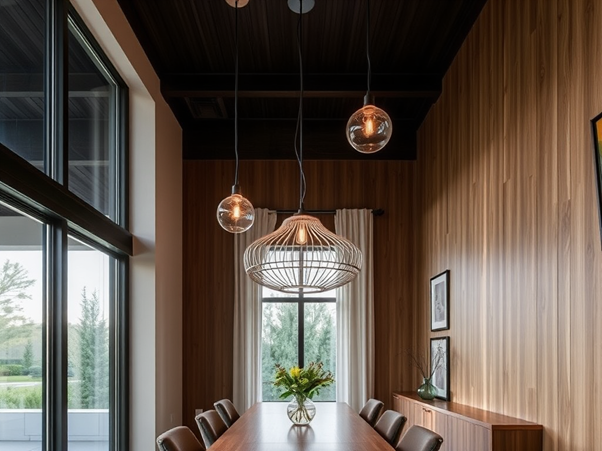
Lighting plays a fundamental role in shaping the atmosphere, functionality, and aesthetics of a space. Far beyond its practical use, lighting has become an integral element of interior design, with homeowners and designers alike embracing creative options that fuse style with everyday usability. From statement fixtures to subtle accents, the right lighting approach can entirely redefine a room.
What sets successful lighting schemes apart is the balance they strike between beauty and purpose. Sculptural designs like Pilke lighting combine craftsmanship with geometry, allowing light to filter through in intriguing ways while complementing a modern interior palette. These types of lights go beyond mere decoration—they help build identity into a space without overwhelming it.
Layering Light for Depth and Versatility
One-dimensional lighting often falls short of meeting both aesthetic and practical needs. That’s where layered lighting becomes a powerful tool. By combining ambient, task, and accent lighting, a space gains depth, adaptability, and warmth. Each layer contributes to the mood and usability, especially when carefully positioned and chosen to suit the room’s purpose.
Ambient light sets the overall tone. Whether from ceiling pendants, recessed lights or well-placed wall fixtures, this foundational layer should distribute light evenly and comfortably. Task lighting then adds focus—essential in areas like kitchens, offices, and reading corners. Accent lighting rounds out the scheme, drawing attention to architectural features, artwork, or even houseplants. When these layers work in harmony, a room becomes dynamic and multifunctional.
Choosing Materials and Shapes That Complement the Space
The design of a lighting fixture often communicates as much as the light it casts. Materials like wood, glass, and metal can each change the way light behaves. Wooden structures tend to soften brightness and add organic warmth, while metallic finishes reflect and direct light for added drama or precision.
Shape also plays a role. Geometric pendants, clustered bulbs, or softly curved diffusers all evoke different emotional responses. In minimalist interiors, choosing sculptural forms can introduce subtle interest. In busier settings, cleaner lines may be preferred to avoid visual clutter. A fixture that suits the materials and tone of the room adds cohesion and a sense of intentional design.
Matching Lighting to the Function of the Room
Different spaces have different needs. The lighting that works in a dining area may not suit a bedroom or home office. Matching the lighting strategy to the function of the room enhances both comfort and practicality. Dimmer switches and smart lighting controls can offer flexibility, adjusting the intensity depending on time of day or activity.
For example, a bedroom benefits from warm, lower-intensity lighting that encourages relaxation, while a study needs bright, focused light to support concentration. Hallways and staircases may call for motion-activated lights that prioritise safety without requiring constant manual control. These tailored approaches elevate the space while making daily life more efficient.
Embracing Lighting as a Creative Statement
Lighting offers a unique opportunity to express personality. Unlike paint or furniture, it interacts directly with both time and movement. A well-chosen light fixture transforms a room throughout the day, casting shadows and creating patterns that shift as natural light fades. This constant evolution brings energy into the design, ensuring the space never feels static.
As technology and design trends evolve, lighting continues to push boundaries—blurring the line between utility and art. Whether through sculptural ceiling pieces, playful wall sconces, or subtle LED accents tucked into shelving, thoughtful lighting allows creativity to shine through while supporting the everyday rhythm of life.