

The High Cost of a Fragmented Brand Process
In the world of consumer packaged goods (CPG), time, clarity, and consistency are everything. Yet many brands still approach their development process in parts. Strategy is built in one place, naming happens in another, and packaging design is passed off without much context. These handoffs result in disjointed messaging and visual inconsistency, leaving consumers confused and unengaged.
The issue is not lack of creativity or intent. It is a lack of integration. Without a unified approach, a great insight from research can fail to influence naming. A strong visual identity might not reflect what consumers care about. The outcome is a product that looks good in a meeting but fails to perform on the shelf.
Brands that succeed avoid these pitfalls by using a connected, insight-driven process that flows from strategy to shelf without breaking alignment. They eliminate gaps by treating naming, design, and execution as one continuous experience rather than isolated tasks.
Research First, Always
Every high-performing CPG brand starts with understanding its market. Guesswork has no place when you are trying to win attention in crowded retail or ecommerce environments. That is why research forms the foundation of an integrated branding process.
Consumer behavior, usage patterns, category expectations, and competitor messaging all offer crucial signals. When interpreted properly, they tell you what your audience values, what they overlook, and what they are waiting for. Segmentation, retail audits, and usage studies are just a few tools brands use to gain this clarity.
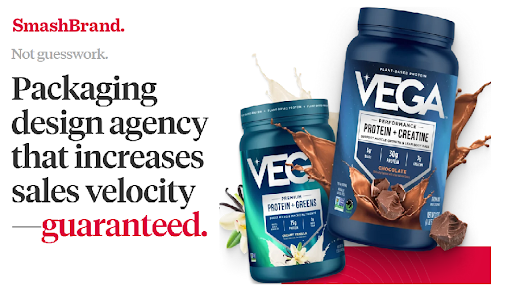
One example of this process in action comes from SmashBrand. Their process combines research and testing to validate every move, reducing bias and making each phase of development smarter and more connected. The result is not just a strategy that sounds good, it is one that already has a foothold in the consumer’s reality.
Naming That Connects and Converts
A brand’s name carries a lot of weight. It should express the product’s essence, signal category or function, and stand apart from competitors. But naming often suffers from lack of structure. Teams may brainstorm without a strategy, or chase creativity over clarity, ending up with something clever that misses the mark.
Integrated naming follows a different approach. It begins with the core brand idea and positioning, then explores how naming can reinforce both. It is not about random wordplay, but about making sure the name fits into the larger identity system: visually, verbally, and strategically.
Testing names with real consumers can reveal unexpected reactions. Some names confuse, others blend in. A few stand out instantly. Those are the ones that deserve further exploration. The goal is not just to land a trademarkable word, but one that helps the brand stick in people’s minds and guide their decisions.
Packaging as Proof
Packaging is where branding meets reality. At retail, consumers do not read brand books. They make decisions based on color, layout, claims, and how quickly they can understand the product. Packaging needs to tell the right story in seconds, often across multiple channels and formats.
Effective design reflects strategy and amplifies it. Color systems guide product families. Iconography simplifies features. Typography supports tone. Structure influences perception of quality and function. And none of these elements exist in isolation. They all support one message.
Packaging design also needs to be tested in real conditions. It is not enough for a team to approve mockups in a deck. The best design is judged by how it performs on shelf, how it converts online, and how it stands up against competitors. SmashBrand includes real-time shelf testing in their development cycle, ensuring that design decisions are made with performance in mind, not just aesthetics.
Execution Without Dilution
Many great brand strategies fall apart during execution. The logo is used inconsistently, the claims shift tone across platforms, or a new SKU launches with slightly different messaging. Over time, this fragmentation eats away at brand equity.
Execution is more than rolling out final files. It is the moment where strategy is either protected or lost. An integrated system ensures that what was designed actually gets built. This includes asset creation, ecommerce adaptation, packaging structure, and in-store marketing materials.
Brands that build execution into their early planning are better equipped to scale. They think in terms of systems, not just individual designs. They invest in templates, toolkits, and documentation that make brand consistency achievable, even when working with external vendors or expanding to new categories.
Integration Makes Speed Smarter
In CPG, speed matters. But moving fast without alignment leads to mistakes. A true integrated workflow allows teams to move quickly because strategy and execution are already connected. There is no delay in translating a vision across platforms, no confusion over intent, and no guessing at what the customer might want.
By aligning teams early, brands eliminate the need for endless revisions and handoffs. This cuts time to market, reduces internal friction, and improves launch performance. And because every decision is tied back to real consumer insight, the brand remains grounded and focused even as it evolves.
The Future Is Cross-Disciplinary
Branding has changed. It is no longer a matter of just making things look good. It is about designing systems that work across packaging, digital, and retail. It is about aligning creative ideas with market expectations. It is about understanding what drives purchase and building everything around it.
An integrated process allows for that complexity. It helps creative teams see the strategy behind their designs. It gives researchers a voice beyond the report. It brings naming into conversations about visuals, and it turns execution into a creative act rather than an afterthought.
When everything is connected, every output becomes more powerful. The brand speaks in one voice, regardless of format. And consumers feel that clarity, even if they do not consciously recognize it.
Final Thought
Fragmented branding leads to wasted time, inconsistent messaging, and underperforming products. Integrated workflows eliminate these problems by aligning strategy, naming, design, and execution from the start. When everyone works from the same foundation, the brand becomes stronger, clearer, and more compelling at every touchpoint.
This approach is especially critical in the crowded and competitive CPG space, where first impressions and clarity drive purchase. It is not enough to have a good idea. Every stage of development must support it with purpose and consistency.
SmashBrand applies this kind of integrated, evidence-based process across branding and packaging design. With strategy, design, testing, and execution all under one roof, they ensure that no insight is lost along the way. Their work emphasizes real-world performance and consumer clarity, not just aesthetics.