

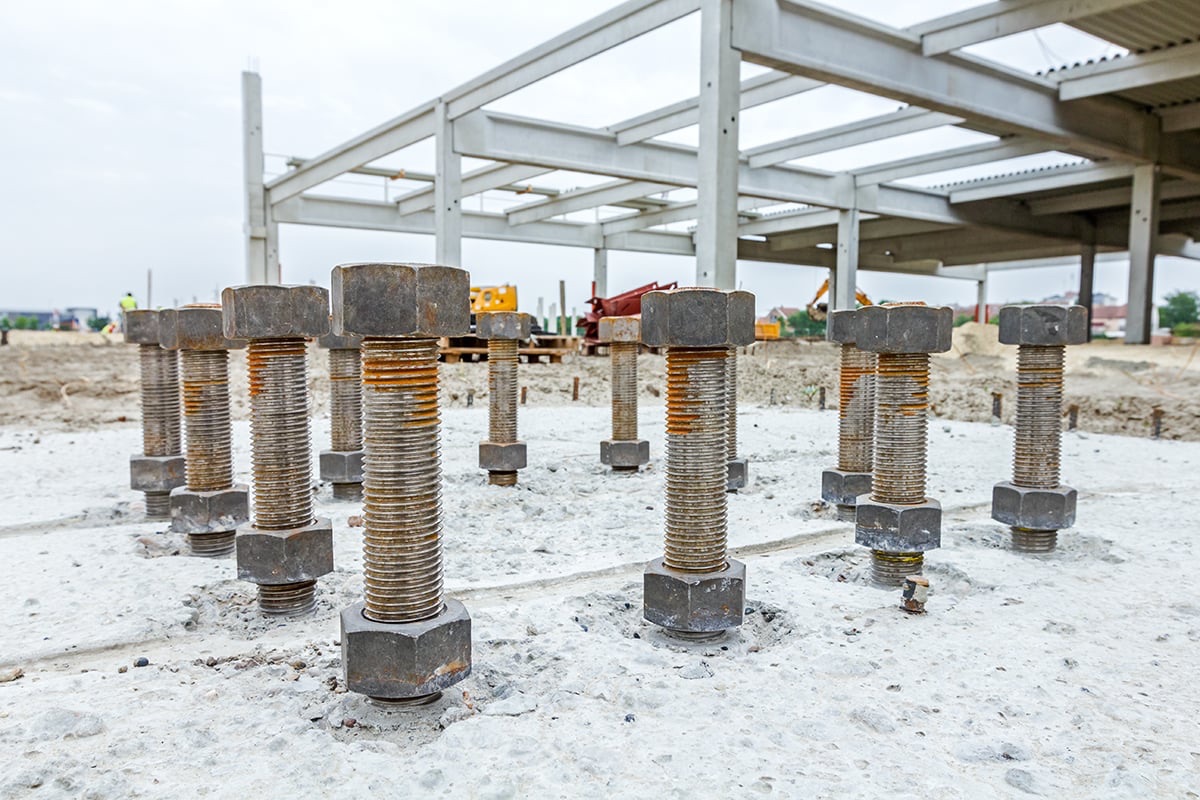
Whether you’re securing a steel column to concrete or mounting heavy equipment to a shop floor, anchor bolts are the unsung heroes holding it all together. These powerful fasteners are designed to attach structural elements to concrete securely, and knowing which type to use—and how to use it properly—can make or break your project.
What Are Anchor Bolts?
Anchor bolts are heavy-duty fasteners used to join structural and non-structural components to concrete. They come in a variety of styles, including cast-in-place, expansion, and screw-type bolts. Each type serves a specific function, depending on the material being fixed, the load it will bear, and the installation conditions.
The cast-in-place type is set into the concrete before it cures, typically used in new construction for heavy structural attachments. Expansion anchor bolts, on the other hand, are installed into hardened concrete and expand once inserted to grip the base material tightly. Screw-type anchor bolts, also known as concrete screws, are a popular option for lighter loads and simpler installations.
Key Considerations Before Installation
When selecting anchor bolts, it’s essential to consider load requirements, environmental conditions, and the type of concrete or masonry substrate. For example, a bolt used outdoors must resist corrosion—hot-dip galvanized or stainless-steel bolts are ideal in such cases. Load-bearing needs also vary widely: a shelving unit in a garage requires a very different anchor than a steel beam in a warehouse.
Installation method matters, too. Proper torque, hole depth, and spacing all impact the bolt’s performance. Inadequate spacing between anchor bolts can lead to cracking in the concrete, while over-torquing can reduce the bolt’s holding power.
For those seeking a wide variety of reliable fastening options for any application, Tradefix anchor bolts provide a comprehensive selection that caters to both professional contractors and dedicated DIYers.
Common Applications
Anchor bolts are widely used across residential, commercial, and industrial projects. In residential settings, they might hold down framing or support water heaters. In commercial builds, they are essential for securing columns, signs, and safety barriers. Industrially, they’re frequently found anchoring machinery, conveyor belts, and large-scale mechanical systems.
Each use requires careful attention to detail. Misaligned anchor bolts can cause major issues during equipment installation, leading to delays, added costs, or even safety risks. That’s why it’s crucial to follow manufacturer guidelines and building codes when planning installations.
Maintenance and Inspection
Though often hidden from view, anchor bolts still require periodic inspection, especially in load-bearing or safety-critical applications. Look for signs of rust, movement, or concrete spalling around the bolt. In seismic zones, regular checks are even more vital to ensure structural integrity in the event of an earthquake.
Final Thoughts
Anchor bolts may seem like a minor detail, but they are foundational to any project involving concrete and structural support. By selecting the right type, installing them properly, and conducting regular inspections, you can ensure a secure, long-lasting connection. Whether you’re anchoring a steel structure or just putting up shelves in your workshop, the right bolt makes all the difference.
Would you like a diagram showing different types of anchor bolts and their uses?