

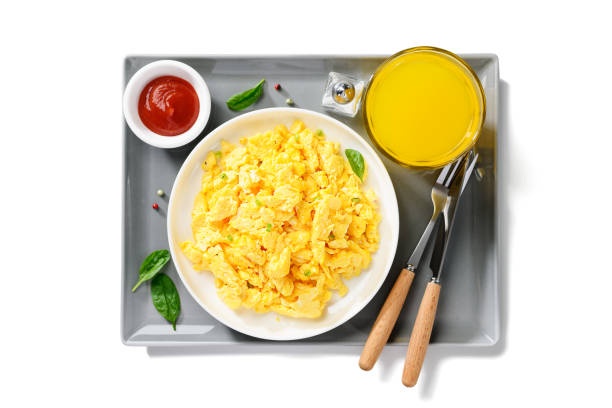
If you’re five days into your recovery from gastric sleeve surgery, you might be wondering, “Can I eat scrambled eggs now?” It’s totally normal to start craving something soft and familiar like eggs. But it’s also incredibly important to follow your post-op diet closely during this phase. What you eat—and when—plays a huge role in your healing and long-term success.
Why your post-op diet is so important
Your stomach has just gone through a major transformation. It’s smaller, healing from surgical incisions, and learning how to function differently. Jumping ahead in your diet too quickly can put unnecessary strain on the staple line and increase your risk of complications like leakage or nausea. That’s why your surgeon and dietitian have created a staged eating plan—to protect your stomach while it heals.
Understanding the staged diet approach
After gastric sleeve mexico surgery, your diet is broken into several phases to help your stomach transition slowly:
- Clear liquids
- Full liquids
- Pureed or blended foods
- Soft foods
- Regular foods
Each stage typically lasts several days to weeks, depending on your progress and how your body responds.
Considering Gastric Sleeve in Mexico? Here’s What You Should Know About the Cost
If you’re exploring options for gastric sleeve surgery abroad, Mexico is likely on your radar—and for good reason. It’s become one of the most popular destinations for medical tourism, especially for bariatric procedures like the gastric sleeve. But what about the cost?
One of the biggest advantages of choosing Mexico for your gastric sleeve surgery is affordability. While the average cost in the United States or Western Europe can range from $10,000 to $20,000, in Mexico, the total cost typically ranges from $3,000 to $5,500, depending on the clinic, surgeon’s experience, and what’s included in the package.
Most clinics in Mexico offer all-inclusive packages, which can cover:
- Pre-operative consultations and tests
- Surgery performed by a board-certified bariatric surgeon
- Hospital stay (usually 2–3 nights)
- Post-operative care and follow-up
- Airport transfers and hotel accommodations
- Nutritionist and translator services
This transparent pricing helps reduce the stress of budgeting and gives you a clear idea of what to expect before traveling. The lower costs don’t mean lower quality—Mexico is home to many JCI-accredited hospitals and highly experienced bariatric surgeons who use internationally recognized techniques and technologies.
Still, it’s important to research carefully, ask questions, and choose a clinic that prioritizes safety, hygiene, and personalized care. That’s where FlyMedi comes in.
FlyMedi can help you compare top-rated clinics in Mexico, verify credentials, and even assist with travel arrangements to ensure your experience is smooth, safe, and tailored to your needs.
What your stomach is going through five days after surgery
At day five, your stomach is still in a very fragile state. Internally, it’s beginning to form scar tissue and seal the staple line. Inflammation is still present, and you’re likely still on full liquids. This means your stomach isn’t quite ready to handle any kind of texture, even soft ones like scrambled eggs.
The purpose of the liquid diet in the first phase
The first two stages—clear liquids and full liquids—serve a very important purpose. They allow your stomach to rest and begin healing without needing to break down solid food. Liquids pass through the stomach more easily, reducing pressure on the healing tissue.
Why solid or textured foods are restricted early on
Even though scrambled eggs are soft, they still require your stomach to work harder than it’s ready for at this point. They have a bulkier consistency that could irritate the staple line, cause discomfort, or even lead to vomiting. That’s why eating solid or soft foods too soon is not recommended.
Where scrambled eggs fall in the gastric sleeve diet phases
Scrambled eggs are usually introduced during the soft foods phase, which typically starts around week 4 post-op, though this can vary slightly. That’s when your stomach has developed enough strength and flexibility to begin handling soft-textured foods.
The texture of scrambled eggs and why it matters
Scrambled eggs might seem gentle, but they still have structure. Your healing stomach prefers smooth, easily digestible foods during the early weeks. At day five, even the fluffiest eggs are too advanced for your digestive system.
When scrambled eggs are typically introduced
Most gastric sleeve patients can start trying scrambled eggs between weeks 3 and 5, depending on how they’re doing. But always wait for the green light from your surgeon or dietitian—they’ll assess your healing and guide you safely into the next phase.
The risks of eating solid or soft foods too soon
Eating scrambled eggs (or anything textured) too early can lead to nausea, pain, vomiting, and even damage to the surgical site. Your staple line is not ready to handle food that needs to be chewed and broken down. Taking risks with food too soon could delay healing or cause serious complications.
Signs your stomach isn’t ready for scrambled eggs
If you’ve tried something more textured and experienced bloating, stomach cramps, nausea, or even vomiting—it’s a sign your stomach wasn’t ready. These symptoms are red flags that the current stage of healing needs more time.
The importance of listening to your medical team
Your healthcare team knows what’s best for your recovery. Trust their guidance, even if you’re feeling eager to move forward. They’ll let you know when it’s safe to introduce soft foods like scrambled eggs and how to do it properly.
How tolerance for foods can vary by individual
Everyone’s recovery is unique. Some people move through stages quickly, while others need more time. Just because someone else tolerated scrambled eggs early doesn’t mean your body is ready. Listen to your body and follow your personalized recovery plan.
What happens if you eat scrambled eggs too early
If you’ve already eaten scrambled eggs five days post-op, you might feel discomfort, nausea, or fullness. Monitor your symptoms. If they worsen or persist, contact your doctor. One slip might not be disastrous, but it’s best not to make a habit of eating ahead of your plan.
Symptoms to watch for if you ate something too soon
Some warning signs include:
- Severe stomach pain
- Persistent vomiting
- Fever or chills
- Bloating that doesn’t go away
- Pain near your incisions
These could be signs of a complication and should be checked by your medical provider.
Safer alternatives you can eat at day 5
At day five, you should be sticking to full liquids like:
- Protein shakes
- Low-fat milk
- Creamy soups (strained)
- Sugar-free pudding or yogurt (if allowed)
- Hydration drinks and broth
These foods offer nutrients while being gentle on your healing stomach.
How to transition smoothly to soft foods when the time comes
When you’re ready for soft foods, start slow. Choose very moist, soft items like well-mashed eggs or cottage cheese. Take tiny bites, chew well, and pay attention to how your body responds. Keep a food journal to track what works.
Nutritional value of eggs and why they’re often recommended
Eggs are packed with protein, B vitamins, and healthy fats—all of which support healing and muscle maintenance. They’re easy to digest once your stomach is ready and help keep you full for longer with fewer calories.
How to prepare scrambled eggs for better tolerance later
When the time comes, make scrambled eggs with minimal oil or butter. Cook them soft and moist—not dry. You might even blend them a bit or mix with low-fat cheese or yogurt to improve texture and digestibility.
The emotional side of food cravings after surgery
Craving certain foods early on is totally normal. Food used to play a big role in comfort and routine. It’s okay to miss those flavors, but remember: the temporary restriction now protects your long-term success.
Tips for staying patient and focused on healing
Remind yourself that each stage of your post-op diet has a purpose. Find comfort in knowing that soft foods—including eggs—are just around the corner. Drink plenty of fluids, get rest, and celebrate the small wins in your recovery.
Final thoughts on timing and care
At just five days post-op, your stomach is still in the early healing phase. As tempting as scrambled eggs may be, it’s best to wait until your body is truly ready. By following your recovery plan and medical advice, you’re setting yourself up for safe healing and long-term success.
Thinking about gastric sleeve surgery or recovering from one now? With FlyMedi, you can connect with trusted, accredited clinics and care teams that will walk with you through every stage of healing. Whether you’re choosing a destination or looking for aftercare guidance, FlyMedi is here to help you make confident, informed decisions.