

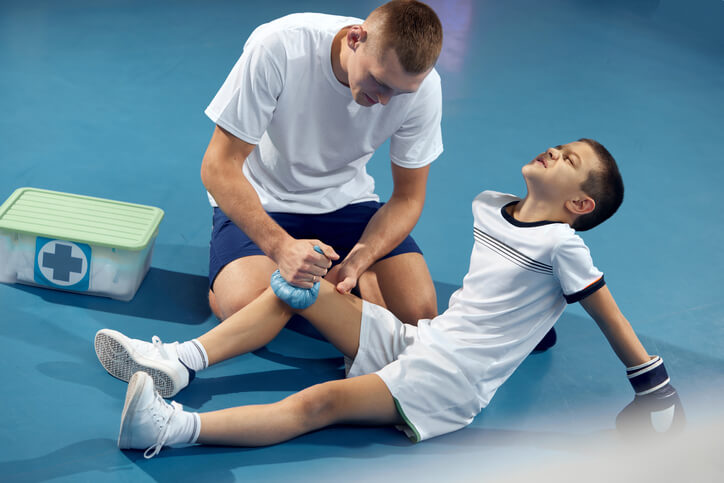
Cartilage injuries are a common concern for athletes and fitness enthusiasts. Because cartilage serves as a cushion between bones, it plays a significant role in joint function. Cartilage injury may lead to discomfort, reduced mobility, and challenges in maintaining an active lifestyle. Understanding the potential causes, ways to prevent such injuries, and how to address them can help active individuals protect their joints and maintain their performance levels.
Cartilage Injury Causes
Cartilage injury can occur for several reasons, particularly among those engaged in high-impact or physically demanding activities. Understanding these causes may provide insight into how such injuries may develop:
- Overuse or Repeated Stress: Repetitive motions in sports or workouts may lead to wear and tear on cartilage. Activities that involve jumping, running, or twisting motions can place repeated stress on joints, particularly the knees, hips, and shoulders.
- Trauma or Impact: Sudden impacts, such as falls, collisions, or tackles, may contribute to cartilage damage. Sports like soccer, football, and basketball often involve high-contact situations that increase the likelihood of these types of injuries.
- Being Overweight: Excess weight places additional stress on weight-bearing joints, particularly the knees. Maintaining a balanced weight reduces strain and promotes joint health over time.
Preventing Cartilage Injuries
Taking proactive steps can help athletes and active individuals reduce their risk of cartilage injuries. Incorporating specific strategies into training routines and lifestyles may make a significant difference.
- Engage in Warm-ups and Cool-downs: Starting your activity with a proper warm-up prepares your muscles and joints while increasing blood flow. Similarly, cooling down after exercise helps joints recover and reduces stiffness. Dynamic stretches and low-intensity movements are effective for both phases.
- Focus on Strength Training: Strengthening the muscles around the joints can provide better support for cartilage. Exercises targeting the quadriceps, hamstrings, and glutes may bolster knee stability, while core-strengthening exercises can aid in maintaining overall alignment and control.
- Use Proper Techniques: Whether lifting weights or playing a sport, using the correct form can be key to reducing injury risk. Think about working with trained professionals, such as coaches or physical therapists, to refine your techniques and identify areas of improvement.
Treating Cartilage Injuries
If a cartilage injury occurs, understanding treatment options can aid recovery and potentially prevent further complications. While treatment methods may vary based on the severity of the injury, there are several common approaches to addressing cartilage damage. Options such as anti-inflammatory medications are sometimes recommended to reduce swelling and enhance joint function.
Recovery exercises often emphasize improving the surrounding muscles to support the joint effectively. It is advisable to seek medical evaluation if pain persists or if mobility decreases significantly. Imaging techniques like MRIs or X-rays can help determine the extent of the injury and inform treatment decisions. Severe cases may require surgical intervention, such as mosaicplasty or autologous chondrocyte implantation.
Wrapping Up
Cartilage injuries can impact the ability to maintain an active lifestyle, particularly for athletes and fitness enthusiasts. By understanding the causes and incorporating prevention techniques, you may minimize your risk and protect your joints. Should an injury occur, prompt treatment and careful management are key to a successful recovery.