

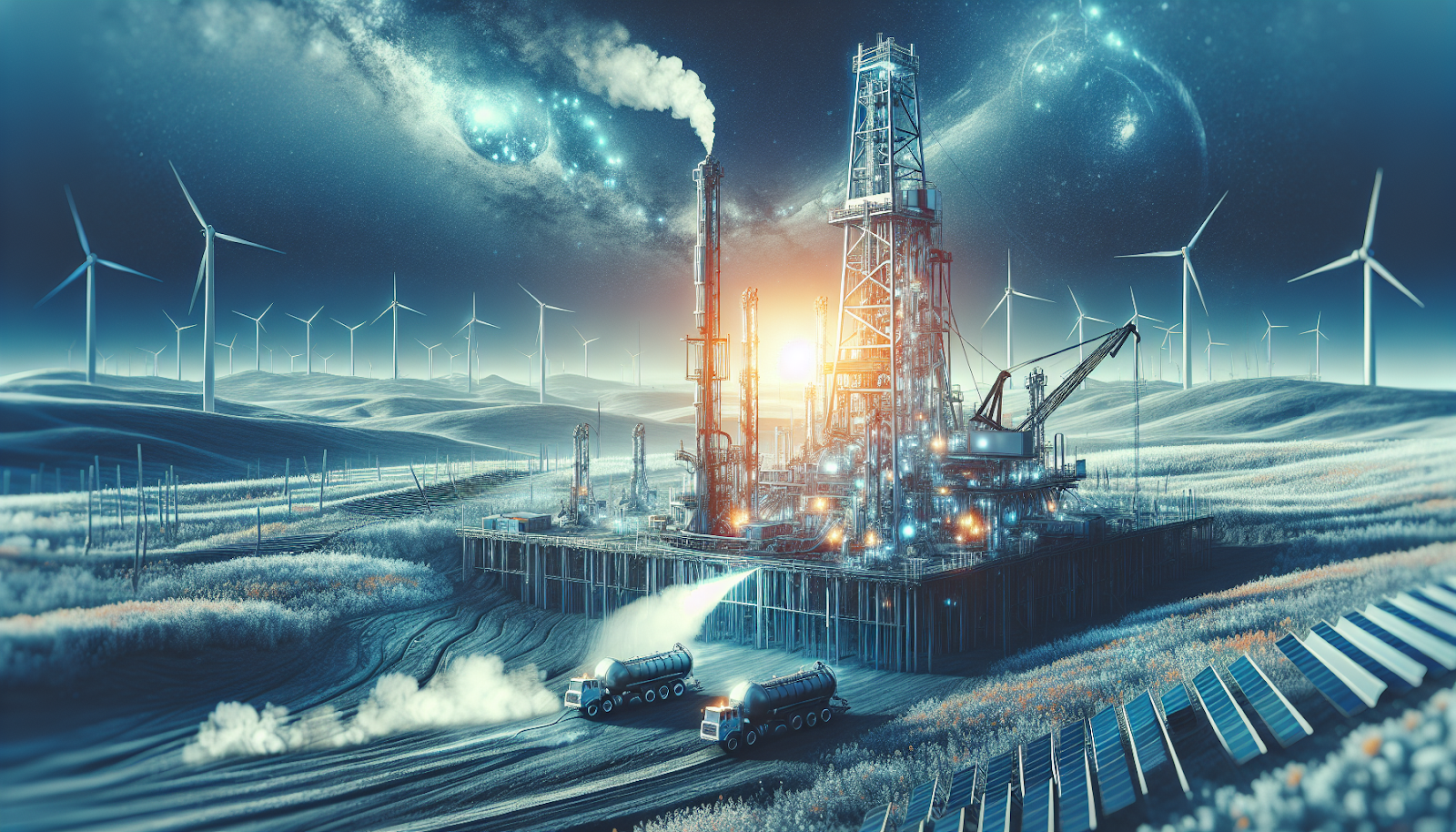
Introduction to Geothermal Drilling Rigs
Geothermal drilling rigs are specialized equipment used to drill into the Earth’s crust to access geothermal energy. These rigs are designed to withstand the harsh conditions encountered during geothermal drilling operations, such as high temperatures, high pressures, and corrosive environments. As the world increasingly turns to renewable energy sources, the demand for advanced geothermal drilling rig technology is growing. This article explores the challenges faced in geothermal drilling operations and the innovative solutions being developed to overcome them.
Challenges in Geothermal Drilling Operations
Geothermal drilling operations face numerous challenges that can impact the efficiency and success of the drilling process.
High Temperatures and Pressures
One of the primary challenges in geothermal drilling is the extreme temperatures and pressures encountered at depth. As the drill bit penetrates deeper into the Earth’s crust, the temperature and pressure increase significantly. This can lead to equipment failure and reduced drilling efficiency, as the materials used in the equipment can degrade or fail under such conditions.
Solutions for High Temperatures and Pressures
To mitigate the effects of high temperatures and pressures, geothermal drilling rigs employ specialized equipment and techniques. High-temperature drilling fluids are used to cool the drill bit and maintain the stability of the borehole. Insulated drill pipes help to protect the drilling fluid and the drill string from extreme temperatures. Pressure control systems are essential to manage the high pressures encountered, ensuring the safety and integrity of the drilling operation.
Corrosive Environments
Geothermal reservoirs often contain corrosive fluids, such as acidic gases and brines, which can damage drilling equipment and reduce the lifespan of rig components. The corrosive nature of these fluids poses a significant challenge, as it requires frequent maintenance and replacement of equipment.
####Solutions for Corrosive Environments To address the challenges posed by corrosive environments, geothermal drilling rigs utilize corrosion-resistant materials and protective coatings. Materials such as stainless steel and titanium are used for critical components to resist corrosion. Protective coatings are applied to vulnerable parts to prevent corrosion. Regular maintenance and inspection protocols are also implemented to identify and address corrosion issues before they lead to equipment failure.
###Lost Circulation Zones Lost circulation zones are areas where drilling fluids escape into the formation, leading to a loss of fluid pressure and potentially causing the borehole to collapse. This issue can significantly delay drilling operations and increase costs.
Solutions for Lost Circulation Zones
To prevent and mitigate the effects of lost circulation zones, geothermal drilling operations employ various techniques. Lost circulation materials (LCMs) are added to the drilling fluid to seal off porous formations and prevent fluid loss. Cementing operations are used to strengthen the wellbore and seal off problematic zones. Wellbore strengthening techniques, such as using high-strength cement and casing, help maintain the integrity of the borehole.
Advancements in Geothermal Drilling Technology
As the demand for geothermal energy grows, new technologies and innovations are being developed to enhance the efficiency and effectiveness of geothermal drilling operations.
Directional Drilling
Directional drilling allows geothermal drilling rigs to drill non-vertical wells, enabling access to geothermal resources that are not directly beneath the drilling site. This technology significantly expands the potential for geothermal energy extraction.
Benefits of Directional Drilling
Directional drilling offers several benefits for geothermal drilling operations. It increases access to geothermal resources by allowing wells to be drilled at angles to reach areas that vertical drilling cannot. This reduces the environmental impact by minimizing the surface footprint of drilling operations. Additionally, it improves well productivity by targeting specific geothermal zones and maximizing the extraction of heat.
Automated Drilling Systems
Automated drilling systems use advanced sensors, data analytics, and control systems to optimize the drilling process and reduce human intervention. These systems enhance the precision and efficiency of drilling operations.
Advantages of Automated Drilling Systems
Automated drilling systems offer numerous advantages for geothermal drilling operations. They increase drilling efficiency by continuously monitoring and adjusting drilling parameters in real-time. This reduces non-productive time (NPT) and enhances safety for rig personnel by minimizing the need for manual intervention in hazardous conditions. Automated systems also improve data collection and analysis, providing valuable insights for optimizing future drilling operations.
Wellbore Imaging Techniques
Wellbore imaging techniques, such as acoustic and resistivity imaging, provide detailed information about the subsurface geology and help identify potential drilling hazards. These techniques are crucial for planning and executing safe and efficient drilling operations.
Applications of Wellbore Imaging Techniques
Wellbore imaging techniques are used in geothermal drilling operations to optimize well placement by identifying the best locations for drilling based on subsurface conditions. They help identify fracture networks that can enhance geothermal fluid flow and improve the productivity of wells. Additionally, these techniques monitor wellbore stability, ensuring the integrity of the well throughout its lifecycle.
Environmental Considerations in Geothermal Drilling
Geothermal drilling operations must adhere to strict environmental regulations and best practices to minimize their impact on the surrounding ecosystem.
Noise and Vibration Mitigation
Geothermal drilling rigs generate significant noise and vibration, which can disturb local wildlife and communities. Addressing these environmental impacts is crucial for the sustainable development of geothermal energy.
Solutions for Noise and Vibration Mitigation
To reduce the noise and vibration generated by geothermal drilling rigs, operators can implement various measures. Sound barriers and insulation around the drilling site can help contain noise. Vibration dampening systems reduce the transmission of vibrations to surrounding areas. Operational scheduling can be adjusted to minimize disturbance during sensitive times for local wildlife and communities.
Waste Management
Geothermal drilling operations generate various types of waste, including drill cuttings, spent drilling fluids, and produced water. Proper waste management is essential to minimize environmental contamination and adhere to regulatory requirements.
Best Practices for Waste Management
To ensure proper waste management in geothermal drilling operations, operators should implement waste reduction strategies, such as recycling and reusing drilling fluids. Environmentally friendly drilling fluids, such as water-based or biodegradable options, can be used to reduce the environmental impact. Adhering to local and national regulations for waste disposal ensures that all waste is managed responsibly.
Land Restoration
After the completion of geothermal drilling operations, the drilling site must be restored to its original condition to minimize long-term environmental impacts. This process is critical for maintaining ecological balance and community trust.
Steps for Land Restoration
Land restoration in geothermal drilling operations involves several key steps. Removing all drilling equipment and infrastructure is the first step. Plugging and abandoning wells according to regulatory standards prevents environmental contamination. Revegetating the site with native plant species helps restore the local ecosystem and prevent soil erosion.
Conclusion
Geothermal drilling rig operations face numerous challenges, from extreme temperatures and pressures to corrosive environments and lost circulation zones. However, advancements in drilling technology, such as directional drilling, automated systems, and wellbore imaging techniques, are helping operators overcome these challenges and improve the efficiency and effectiveness of geothermal drilling operations. As the world transitions towards cleaner energy sources, geothermal energy will play an increasingly important role in meeting our energy needs. By addressing the challenges associated with geothermal drilling and implementing best practices for environmental stewardship, the geothermal industry can contribute to a more sustainable future. These innovations not only promise to enhance the efficiency and cost-effectiveness of geothermal energy production but also to significantly reduce its environmental impact. Embracing these technologies will be crucial for the energy sector as it strives to achieve sustainability goals and combat climate change. By fostering collaboration between researchers, industry stakeholders, and policymakers, the geothermal industry can ensure that these cutting-edge technologies are developed and deployed effectively, paving the way for a greener and more resilient energy future.