

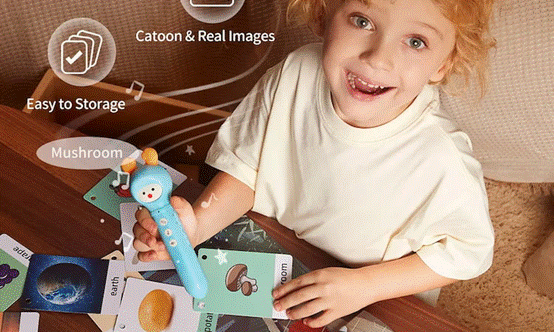
Selecting toys for preschoolers (ages 3–6) is a balance between fun, education, and safety. At this stage, children undergo rapid cognitive, motor, and social-emotional development, and toys play a pivotal role in shaping these skills. To understand what toy would a preschooler play with, this guide outlines key considerations, toy categories, and practical tips to help parents choose toys that foster creativity, learning, and resilience.
Strategies to Choose Toys for Preschoolers
Understanding Developmental Needs
It is vital to know what toy would a preschooler play with. Preschoolers are curious, imaginative, and eager to explore the world. Their toys should align with their developmental stages. In the beginning, parents should focus on cognitive development, allowing preschoolers to solve problems and think logically. To develop motor skills, preschoolers should join activities like stacking, drawing, or manipulating small objects. For social-emotional growth, parents should teach them sharing, empathy, and conflict resolution through role-play.
Key Criteria for Selecting Toys
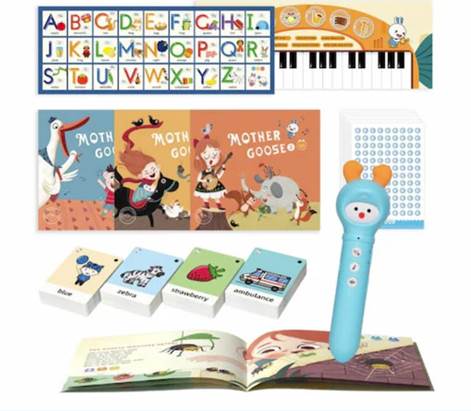
Parents should prevent preschoolers from choking hazards, and make sure that no parts are smaller than 1.25 cm (½ inch). In addition, stick to non-toxic materials. Opt for toys labeled BPA-free, phthalate-free, and ASTM F963 (U.S.) or CE (EU) certified. Furthermore, toys should be constructed sturdily. Parents should seek durable toys to withstand rough play and minimize repair costs.STEM toys like coding puzzles, simple robots, or magnetic tiles are typical options with educational value for preschoolers. To develop language, try to go with alphabet blocks, rhyming games, or interactive storybooks. For creative expression, toys like art supplies (crayons, playdough), musical instruments, or dress-up costumes will promote preschoolers’ emotions and spirit.
Top Toy Categories for Preschoolers
In general, there are 6 main categories of toys for preschoolers. The first option is Building and Construction Toys. These toys include color-coded blocks, sturdy rods, and connectors for engineering projects. Secondly, puzzles and brain games are famous for preschoolers. Try to start with age-appropriate puzzles (50-200 pieces) and go deeper when necessary. Thirdly, role-play and pretend toys, including dollhouses, action figures, and pretend kitchen sets can open your preschoolers’ minds. Fourthly, arts and crafts toys like non-toxic crayons and DIY craft kits will improve your babies’s creativity. Fifthly, more than playing indoors, toys for outdoors such as sandboxes and balance bikes are important for preschooler’s physical health. Finally, don’t forget to try with educational tech toys. These useful toys, such as interactive tablets and coding robots, are significant in providing some learning basics.
Budget-Friendly and Sustainable Options
It is not necessary to get brand-new toys for preschoolers, as preschoolers can easily break them. Therefore, parents should also take a look at budget-friendly and sustainable options. For example, second-hand toys are useful and cheap, but parents should check for quality and sanitize them thoroughly. In addition, parents can make some DIY projects (e.g., cardboard forts, and sensory bins) with household items. Lastly, consider eco-friendly brands and choose toys made from recycled materials.
Avoid Common Pitfalls
When picking toys for preschoolers, parents should avoid the following types. If you decide you’re your kids play with overly electronic toys, you have to limit screen time to 1 hour/day and prioritize active play. For gender stereotypes, it is better to skip toys that enforce rigid gender roles (e.g., “pink princesses” or “blue trucks”). When picking plastic junk, try to avoid cheap, flimsy toys that break easily and lack educational value.
Conclusion
In conclusion, the best toys for preschoolers are those that ignite curiosity, nurture resilience, and create lasting memories. By prioritizing safety, education, and creativity, parents can help their children thrive academically, socially, and emotionally. Remember: A well-chosen toy is not just an object—it’s a stepping stone to a brighter future.