

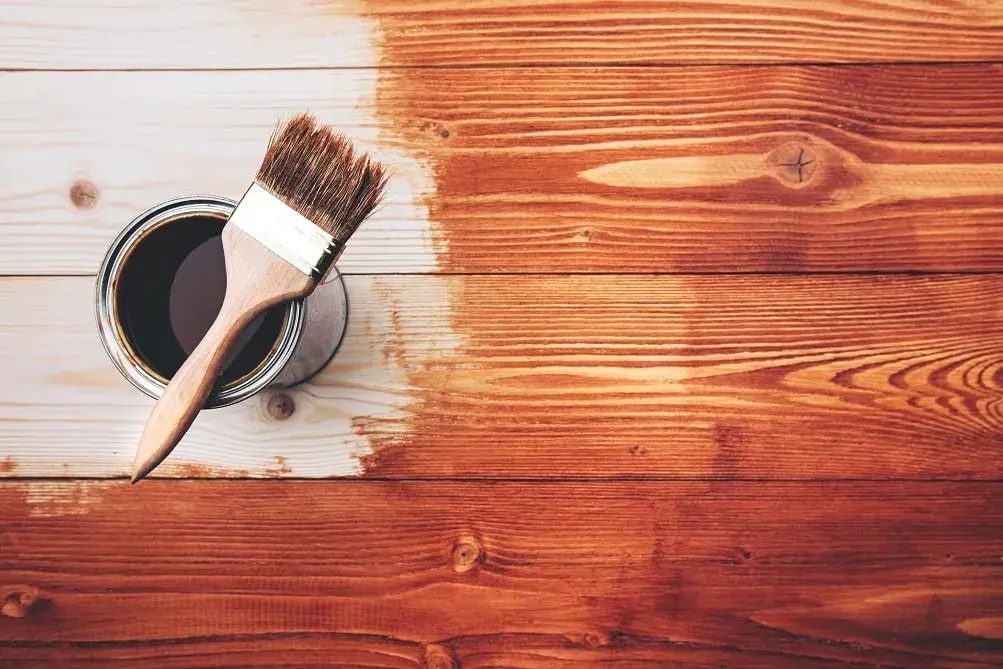
Reclaimed wood already has its own story. Small marks, grain patterns and colour shifts all hint at where the timber once lived. The right finish can bring that story to life, protect the surface and make the piece feel at home in your space.
If you are investing in a bespoke piece, it is worth learning the basics before you decide how it should look and feel. Makers such as reclaimed wood furniture specialists can guide you, but a little knowledge of stains, oils and waxes makes it easier to explain what you want and why.
This guide walks through the main types of finish, how they behave and how to match them to your home. You do not need to become an expert. You just need a clear sense of your priorities so that each piece is both practical and enjoyable to live with.
Why finish matters for reclaimed wood
Reclaimed timber has already done hard work, often in construction or other demanding settings. By the time it becomes furniture, the surface may have small dents or weathering that give it character. A good finish protects that surface so it can handle everyday life in your home.
Finishes help in three main ways. They protect against spills and stains, limit movement in response to humidity and make cleaning easier. They also change the look, from pale and natural through to richer, deeper tones. The same wood can feel calm and quiet in one finish and bold in another.
Because of this, it is worth thinking about finish at the same time as size and shape. A busy hallway, a family dining table and a quiet bedroom shelf all place different demands on the surface. Matching the finish to the job will help the furniture age well.
The main types of finish
Stains
Wood stain is used when you want to change the colour of the timber without hiding the grain. On reclaimed wood, stain can be helpful if you are trying to tie a new piece in with existing flooring or furniture.
Water based stains tend to dry more quickly and have a lighter smell. They usually keep the texture of the wood, which many people like, though you may need a light sand between coats. Oil based stains take longer to dry but often give a deeper, more even tone.
Stain on its own does not usually offer much protection. It is often followed by an oil, wax or clear top coat to seal the surface. If you like the idea of a particular colour, ask your maker how they seal stained pieces afterwards.
Oils
Oils soak into the timber rather than sitting on top. They deepen the natural colour and bring out the grain without adding a hard, plastic like layer. For reclaimed wood, this often gives a warm, lived in look that suits the material.
Common choices include linseed and tung oil. Both sink into the pores of the wood and give a gentle sheen rather than a full shine. Because they work from within, small marks from daily use tend to blend in instead of standing out.
Oiled finishes do need refreshing from time to time, especially on pieces that see a lot of use. The upside is that topping up is usually a simple process rather than a full strip and refinish. For many households, that trade off is well worth it.
Waxes
Wax tends to sit closer to the surface. It gives a soft sheen and a smooth feel under the hand. On reclaimed wood, wax can highlight the higher points of the grain and leave slightly lower areas with more depth, which adds interest.
Wax is often used as a final step over oil. It adds a little extra protection and changes the feel very slightly, making the surface pleasant to touch. Because wax is softer than many varnishes, it can pick up marks more easily, but it is also straightforward to reapply.
If you want to see real examples of how these options work on reclaimed boards, it is worth looking at a dedicated reclaimed furniture finishes guide from a specialist. Seeing side by side photos can make it much easier to decide what you enjoy looking at every day.
Matching finish to your home
Think about traffic and use
Start with how each piece will be used. A hallway bench that takes muddy shoes, school bags and shopping will need more protection than a shelf that holds a few books. The more contact and moisture a surface will see, the more robust the finish should be.
For high traffic pieces, an oil with good water resistance, sometimes topped with wax, is often a sensible choice. For lighter use, you may prefer a very natural, low sheen look and accept that you will live with the odd mark.
Consider health and comfort
If you have children, pets or anyone in the house with asthma or skin sensitivities, it is worth asking about the ingredients in any finish. Many modern products are designed to be low odour once dry, but you still want good ventilation while they are being applied.
Gloves and eye protection are basic but important, especially when working with oil based stains or strong cleaners. If you are applying finishes yourself, follow the safety instructions on the tin and keep tools and products out of reach when not in use.
Fit the look of the room
Finish also has a big impact on the mood of a room. Lighter, matte finishes have a relaxed, airy feel. They work well in smaller rooms or spaces where you already have darker flooring.
Deeper stains and richer oils add contrast and can make a large or plain room feel more grounded. If everything else in the space is neutral, a slightly darker table top or shelf can stop things feeling too flat.
When in doubt, ask to see sample boards or order small samples. Looking at them in your own light, next to your walls and flooring, will tell you more than any photo on a screen.
Practical tips for applying and caring for finishes
Prepare the surface well
Good preparation makes every finish look better. That usually means a gentle sand to smooth rough areas, followed by a careful dust off so no loose fibres are left on the surface.
If you are working on older reclaimed wood yourself, check for any loose nails or sharp edges before you start. Fill deeper holes where needed, or leave them visible if you like a more rustic look. Either way, make sure the timber is clean and dry before you apply anything.
Take your time with application
Thin, even coats usually give the best result. It is better to build up slowly than to rush and end up with drips or sticky patches. Use a good quality brush or cloth and work along the grain rather than across it.
Allow plenty of drying time between coats. Even if a product feels dry on the surface, it may still be curing underneath. Being patient at this stage will pay off when the piece goes into daily use.
Clean, maintain and dispose safely
Once your furniture is in place, routine care is simple. Use a soft cloth for dusting and a mild soap solution for the odd spill, followed by drying with a clean towel. Avoid aggressive cleaners that can strip or cloud the finish.
From time to time, you may want to refresh an oiled or waxed surface. A light sand and a new coat is often all that is needed to bring the wood back to life.
If you are using oil based products, be careful with used rags. Lay them out flat to dry in a safe place before throwing them away, or follow the disposal advice on the product label. This small step helps avoid the risk of them heating up in a bin.
Final word
Choosing a finish for reclaimed wood furniture is really about deciding how you want to live with each piece. When you understand the basics of stains, oils and waxes, you can have clearer conversations with your maker and feel confident in your choices. Start with one item, pay attention to how it behaves over time, and use that experience to guide the next piece you bring into your home.