

Your credit score is one of the most important metrics used to assess your financial health and creditworthiness. In India, the CIBIL score is the gold standard for this evaluation. The CIBIL score range provides insights into how lenders perceive your ability to manage debt, repay loans, and maintain financial stability. In this article, we’ll break down the meaning of your CIBIL score, explore why it matters, and provide tips on how to increase your CIBIL score for better financial opportunities.
What Is a CIBIL Score?
The CIBIL (Credit Information Bureau India Limited) score is a three-digit numeric representation of your credit history, the loans taken, and repayment behaviors. Financial institutions and lenders use this score to evaluate your eligibility for loans and credit cards.
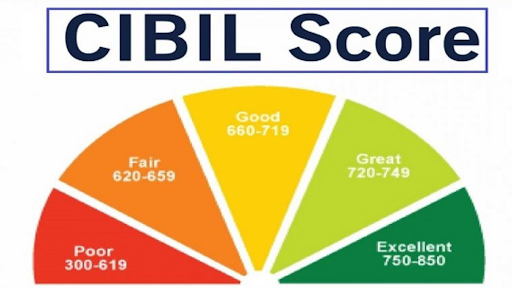
A CIBIL score can range from 300 to 900, with higher scores reflecting better creditworthiness. It is calculated based on various factors, such as your credit repayment history, credit utilization ratio, credit mix, and the length of credit history.
CIBIL Score Range Breakdown: What Your Score Really Means
Understanding where you fall within the CIBIL score range is crucial to knowing how lenders perceive you. Let’s look at the different ranges and what they mean:
1. 300 to 549 – Poor Score
A CIBIL score between 300 and 549 is considered poor. If your score is in this range, it indicates that you have a history of missed payments, defaults, or irregular financial behavior.
What It Means
Lenders see you as a high-risk borrower, which makes it challenging to obtain loans or approvals for a credit card. Even if you’re offered credit, it may come with higher interest rates.
What to Do
Focus on improving your financial behavior by making timely payments and reducing your outstanding debts.
2. 550 to 699 – Fair Score
This range is slightly better but still indicates that you are inconsistent in managing credit. It may also result from taking excessive loans or having high utilization rates on credit cards.
What It Means
Lenders consider you a moderate-risk borrower, so you may still face difficulties in getting loans approved. You might qualify for certain types of credit, but with less favorable terms.
What to Do
Work on reducing your credit card balances and establish a pattern of timely EMIs (equated monthly installments).
3. 700 to 749 – Good Score
A CIBIL score between 700 and 749 implies that you are financially responsible and more dependable than borrowers in the lower ranges.
What It Means
Most lenders will consider your loan or credit card application positively. However, there is still room for improvement to access premium financial products or lower interest rates.
What to Do
Continue managing your credit well and avoid taking unnecessary loans until your score increases further.
4. 750 to 900 – Excellent Score
Scores in this range indicate exceptional creditworthiness, with minimal risk for default. Potential borrowers in this bracket enjoy the most favorable lending terms.
What It Means
Lenders are highly confident in your financial behavior, which means access to loans with lower interest rates and higher approval rates for premium credit cards.
What to Do
Maintain your score by consistently paying bills, monitoring your report, and keeping your utilization ratio low.
Why Is Your CIBIL Score Important?
The CIBIL score is pivotal because it impacts your ability to borrow money, the interest rate offered, and the financial products available to you. Let’s take a closer look at how it affects your financial options and how to increase CIBIL score to unlock better opportunities:
- Loan Approval: A higher score increases your chances of loan approvals, while a lower score might limit your access to borrowing.
- Interest Rates: Scores in the excellent range often fetch lower interest rates compared to those in poorer ranges.
- Credit Card Eligibility: Banks often offer premium credit cards and better rewards programs to individuals with high CIBIL scores.
- Financial Stability: A good score also reflects disciplined financial behavior, which can lead to better opportunities in personal and business financing.
How to Increase Your CIBIL Score
If your CIBIL score isn’t where you want it to be, all is not lost! Improving your score is achievable with consistent efforts and disciplined financial habits. Here are some key tips to help you boost your score:
1. Make Timely Payments
One of the major factors determining your CIBIL score is your repayment history. Late payments or defaults can significantly lower your score. Make sure you pay your EMIs and credit card dues on time to demonstrate responsible financial behavior.
2. Reduce Outstanding Debt
High outstanding balances can impact your score. Aim to pay off debts as soon as possible and resist the urge to max out your credit cards. Keeping your credit utilization ratio at or below 30% of your credit limit will help bolster your score.
3. Diversify Your Credit Portfolio
Having a mix of credit types—such as secured loans (home/car loans) and unsecured loans (credit cards/personal loans)—shows lenders that you can manage various kinds of credit responsibly.
4. Keep Old Credit Accounts Open
Your credit history contributes to your overall CIBIL score. Closing old accounts prematurely may shorten the length of your credit history. Keep older accounts active to demonstrate long-term credit management.
5. Check Your Credit Report Regularly
Mistakes in your credit report can adversely affect your score. Review your report periodically and dispute errors, such as incorrect personal information, duplicate loans, or unreported payments, with CIBIL.
6. Limit Credit Inquiries
Applying for multiple credit products within a short span can harm your CIBIL score because it suggests financial instability. Avoid making frequent hard inquiries by focusing on a few applications only when necessary.
7. Educate Yourself About Credit Behavior
Understanding how credit works can help you make informed decisions about borrowing and repayment. Use free educational resources to learn more about credit-building strategies.
Common Mistakes to Avoid When Trying to Improve Your CIBIL Score
While working to increase your score, many individuals unintentionally make errors. Avoid the following pitfalls:
- Ignoring Payments: Even one late payment can cause a noticeable dip in your score.
- Taking Too Much Credit: Over-borrowing can signal financial distress to lenders.
- Closing Credit Cards Without Thought: Closing an account can reduce your credit history length and increase your credit utilization ratio.
- Not Checking Your Report: Failing to review your report might leave unresolved errors that negatively impact your score.
Conclusion: Mastering Your CIBIL Score Range
Your CIBIL score is more than just a number—it is a reflection of your financial habits and decisions. By understanding your CIBIL score range and taking proactive measures to improve it, you can gain access to better financial opportunities, lower interest rates, and increased financial stability.
Whether your score is poor, fair, good, or excellent, there is always room for improvement. Focus on making timely payments, reducing your debt, diversifying your credit profile, and staying informed about your credit report. These simple yet effective strategies will help you climb the CIBIL score ladder and reach the excellent score range.
Remember, maintaining a good score is an ongoing process that requires continuous discipline and financial awareness. Take charge of your credit health today, and enjoy the benefits of better financial opportunities tomorrow!