

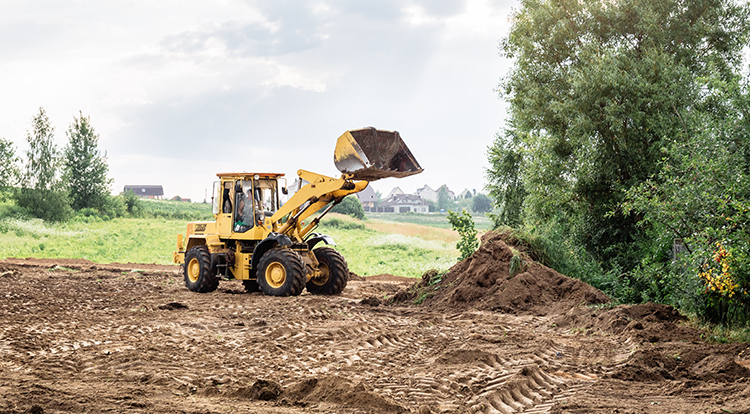
Every successful construction project, agricultural endeavor, or landscaping transformation begins with one crucial step: Land Clearing. This foundational process transforms raw, overgrown, or obstructed terrain into a usable canvas, ready to support the intended purpose—whether that’s building a structure, planting crops, or simply making a space more accessible and visually appealing.
In this comprehensive guide, we’ll explore everything you need to know about land clearing: what it involves, why it matters, the techniques used, potential environmental impacts, and tips for choosing the right approach for your specific project. Whether you’re a property owner, contractor, or developer, understanding the intricacies of land clearing is essential to success.y
What Is Land Clearing?
Land Clearing is the process of removing natural and man-made obstacles from a plot of land. These obstacles may include trees, shrubs, rocks, stumps, debris, and even old structures or fencing. The ultimate goal is to prepare the land for its next stage of use, ensuring a clean, stable, and accessible foundation.
Land clearing is not a one-size-fits-all task. It can range from light clearing for garden prep to extensive removal for large-scale construction. Each project requires a strategic plan tailored to the land’s existing condition and future purpose.
Why Land Clearing Is Necessary
Clearing land is more than just aesthetic—it serves several essential functions across industries:
1. Site Preparation for Construction
Whether building a home, commercial property, or road, a clean, level site is crucial. Land clearing eliminates obstructions that could hinder building work, ensuring the site is safe and build-ready.
2. Agricultural Use
For farming or ranching, clearing land allows for planting crops or creating grazing areas. It ensures soil exposure, proper sunlight, and removes invasive plants that compete with crops or pasture grasses.
3. Improved Access and Navigation
Heavily wooded or brush-covered areas are difficult to navigate. Clearing improves accessibility for vehicles, equipment, and foot traffic—important for both safety and efficiency.
4. Pest and Disease Control
Overgrown vegetation can harbor pests such as rodents, snakes, and insects. Dead trees and decaying matter can also spread disease. Clearing these areas contributes to a healthier property environment.
5. Fire Risk Reduction
Dense brush and dead wood increase fire risk. Regular clearing of such materials helps reduce the likelihood and severity of wildfires, particularly in dry regions.
Methods of Land Clearing
There are several techniques used in land clearing, depending on the project size, terrain, environmental considerations, and intended use:
1. Bulldozing
Heavy-duty bulldozers are used to push over trees and clear vegetation quickly. This method is efficient for large plots but may disturb the soil extensively, increasing erosion risks.
2. Excavation
Backhoes and excavators remove tree stumps, large rocks, and deeply rooted plants. This approach is commonly used in conjunction with other clearing methods to ensure thorough removal of underground obstructions.
3. Forestry Mulching
Forestry mulchers shred vegetation into mulch, which is then spread over the cleared land. This method is eco-friendly, prevents erosion, and enriches the soil with organic material.
4. Manual Clearing
For small-scale or delicate jobs, manual tools like chainsaws, machetes, and axes may be used. Though labor-intensive, this method offers precision and minimal disturbance to surrounding areas.
5. Controlled Burning
In certain cases, vegetation is intentionally burned to clear land. This method is cost-effective and fast but requires permits and strict regulation to prevent wildfires.
Environmental Considerations
While land clearing is often necessary, it must be done responsibly to protect the environment. Improper clearing can lead to:
- Soil Erosion: Removing vegetation exposes soil, increasing the risk of runoff and nutrient loss.
- Habitat Destruction: Clearing can displace or endanger native wildlife.
- Water Contamination: Sediment from disturbed soil can pollute nearby water bodies.
- Loss of Biodiversity: Removing too many native plants and trees can destabilize local ecosystems.
To reduce environmental impact, follow best practices such as:
- Preserving mature trees where possible
- Using erosion control methods (e.g., silt fences, mulching)
- Planning around water sources and natural drainage paths
- Replanting native vegetation post-clearing
Professional Land Clearing services often include sustainable options that balance development with conservation.
Legal and Regulatory Compliance
Before beginning any clearing work, it’s essential to understand and comply with relevant laws and regulations:
- Permits: Local or regional governments may require land clearing permits, especially near protected areas or water bodies.
- Zoning Laws: Ensure the land’s intended use aligns with municipal zoning regulations.
- Utility Checks: Identify underground utility lines to avoid accidental damage.
- Environmental Restrictions: Some lands are protected under environmental laws; unauthorized clearing can lead to fines or legal action.
Hiring a licensed professional ensures your project adheres to legal standards and avoids costly delays or penalties.
The Role of Professional Services
While DIY clearing may be feasible for small tasks, large-scale or complex jobs are best handled by experienced professionals. Qualified Land Clearing contractors offer:
- Specialized equipment for efficient and safe clearing
- Knowledge of soil, vegetation, and environmental factors
- Compliance with legal and safety regulations
- Cost-effective and timely project execution
- Options for responsible disposal and recycling of debris
Whether you’re clearing a backyard lot or hundreds of acres, hiring the right team ensures a smooth and successful project.
Budgeting for Land Clearing
The cost of land clearing varies widely depending on:
- Size and density of the land
- Type of vegetation (dense forest vs. light brush)
- Terrain complexity (flat vs. sloped or rocky)
- Access and location of the property
- Disposal or recycling of debris
On average, costs may range from a few hundred dollars for light clearing to several thousand for larger or more challenging areas. Request detailed estimates and clarify what’s included—such as stump removal, grading, and cleanup.
Post-Clearing Considerations
Clearing the land is just the beginning. Depending on your goals, the next steps might include:
- Soil Testing: Analyze soil quality to determine suitability for planting or construction.
- Grading: Leveling the land to manage water flow and prepare for development.
- Seeding and Mulching: Prevent erosion and restore natural ground cover.
- Installation: Begin laying foundations, planting crops, or setting up fencing and infrastructure.
Planning these steps in advance ensures your project transitions smoothly from clearing to development.
Conclusion
Land Clearing Garfield, Garber is a critical first step in transforming raw land into a functional, valuable, and safe space. Whether you’re preparing to build, grow, or simply improve your property, understanding the processes, methods, and responsibilities involved is key.
From bulldozers to mulchers, and from permits to sustainability practices, successful land clearing requires more than brute force—it takes careful planning, environmental awareness, and professional expertise. By doing it right, you lay the groundwork not just for a project, but for long-term success.