

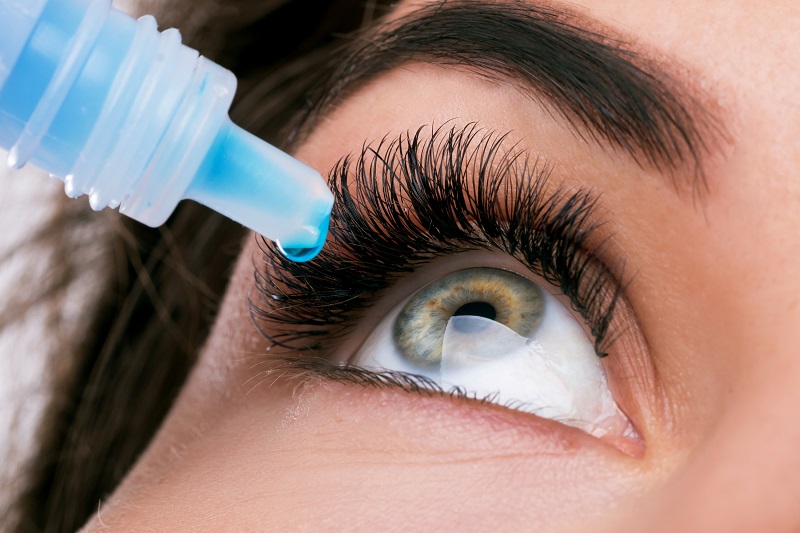
Do your eyes often feel irritated, scratchy, or unusually watery? You could be experiencing symptoms of dry eye syndrome. This condition affects millions of people and can interfere with daily activities and overall well-being. By understanding what causes dry eyes and how to manage them, you can take steps to improve your comfort and eye health.
Why Eye Health Matters
Your eyes play a key role in how you interact with the world around you. Maintaining their health not only supports vision but also contributes to your overall wellness. Dry eyes occur when the quantity or quality of your tears is unbalanced, leading to discomfort and irritation. Knowing the causes of dry eyes and identifying helpful ways to manage them, helps you to make choices that protect your eye health for the long term.
Causes of Dry Eyes
Dry eyes can be caused by many factors, including environmental conditions and daily habits. Prolonged screen time is a major culprit, as it reduces blinking and affects tear production, leading to dryness. Aging is another common factor, as tear production naturally decreases over time, especially in individuals over 50. Environmental elements like wind, smoke, or dry climates can also evaporate the natural moisture in your eyes, exacerbating dryness.
Other contributors include wearing contact lenses for extended periods, which disrupt the tear film and increase irritation. Certain medications, such as antihistamines and antidepressants, may reduce tear production as a side effect. Additionally, underlying health conditions like autoimmune diseases or diabetes are often linked to chronic dry eye issues. Understanding these triggers helps you manage and prevent eye discomfort more effectively.
Managing Dry Eyes
Relieving dry eye symptoms starts with identifying and addressing the underlying cause. Simple lifestyle changes and at-home remedies often provide significant relief and improve eye comfort. Here are some practical approaches to managing the condition:
- Take Breaks From Screens
Apply the 20-20-20 rule—look away from your screen every 20 minutes for 20 seconds at something 20 feet away. This encourages more frequent blinking and supports tear production. - Use Artificial Tears
Over-the-counter lubricating eye drops can help replenish moisture and provide relief from dryness. - Adjust Your Environment
Adding a humidifier to your home or office can reduce air dryness, while wearing wraparound sunglasses outdoors can protect your eyes from wind. - Practice Healthy Habits
Nutritional choices, such as consuming omega-3 fatty acids, may support tear production. Drink adequate water to keep your body, including your eyes, well-hydrated. - Switch Contact Lens Types
If you wear contact lenses, consult your eye care provider about more breathable or moisture-retaining options.
When to See a Specialist
If your symptoms persist or worsen despite trying home remedies, it may be time to consult an eye specialist. This is especially true if dry eyes impact your vision, cause significant pain, or are associated with a health condition. A specialist can evaluate you for underlying issues and recommend treatments tailored to your needs, such as prescription eye drops or in-office procedures.
Take Action for Greater Comfort
Learning about dry eyes and how to manage them gives you control over your comfort and eye health. By taking small but meaningful steps, such as adjusting your daily habits or seeking professional guidance when necessary, you can alleviate symptoms and protect your vision. Schedule a visit with an eye specialist today and take control of your eye health.