

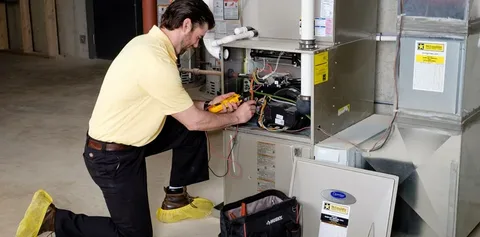
Installing a new furnace is a major investment that directly affects home comfort, indoor air quality, and long-term energy efficiency. While many homeowners focus on choosing the right heating unit, the installation process itself plays an equally important role in system performance. Mistakes made during installation can increase utility bills, reduce equipment lifespan, and create costly repair issues that affect comfort throughout the colder months.
Many homeowners planning furnace installation focus mainly on equipment price while overlooking factors such as system sizing, ductwork condition, airflow requirements, and professional expertise. A properly installed furnace should provide balanced heating, efficient operation, and dependable performance for many years. Understanding the most common installation mistakes can help homeowners make informed decisions while protecting their investment and reducing future HVAC problems.
Choosing the Wrong Furnace Size
One of the most common installation mistakes involves selecting a furnace that is either too large or too small for the home. Proper sizing is essential for efficient heating performance and indoor comfort.
Why Furnace Size Matters
An oversized furnace may heat the home too quickly and shut off repeatedly, a process called short cycling. This increases wear on components and reduces efficiency. An undersized furnace may struggle to maintain comfortable temperatures, forcing the system to run constantly and increasing energy consumption throughout the winter season.
Professional HVAC load calculations help determine the correct furnace capacity based on square footage, insulation, climate, and airflow requirements.
Ignoring Existing Ductwork Problems
Even high-efficiency heating systems can perform poorly if ductwork is damaged or improperly designed. Many homeowners overlook duct inspections during replacement projects.
How Damaged Ducts Affect Heating
Leaky or blocked ducts can reduce airflow, waste energy, and create uneven temperatures throughout the home. Poor duct performance may also force HVAC systems to work harder, increasing operational strain and utility costs.
Homeowners investing in furnace installation should ensure duct systems are inspected for leaks, debris buildup, and sizing problems before new equipment is connected. Proper airflow supports better heating efficiency and healthier indoor air quality.
Common Ductwork Warning Signs:
- Uneven room temperatures
- Weak airflow from vents
- Excess dust inside the home
- High heating bills
- Noisy duct operation
- Poor indoor air quality
Addressing duct issues early improves long-term HVAC performance.
Hiring Inexperienced Contractors
The quality of installation often matters just as much as the furnace itself. Hiring inexperienced or unlicensed contractors can create safety risks and expensive future repairs.
Why Professional Installation Is Important
Licensed HVAC professionals understand proper ventilation, gas connections, airflow balancing, thermostat calibration, and safety testing. Incorrect installation can void manufacturer warranties and reduce system lifespan significantly.
Experienced technicians also ensure heating systems comply with local building codes and manufacturer requirements for safe operation.
Skipping Energy Efficiency Considerations
Some homeowners prioritize upfront savings without considering long-term operating costs. Lower-priced systems may consume more energy and increase monthly utility expenses over time.
Understanding Furnace Efficiency Ratings
Annual Fuel Utilization Efficiency ratings measure how effectively a furnace converts fuel into usable heat. Higher-efficiency systems generally reduce heating costs while improving overall comfort.
Features That Improve Efficiency:
- Variable-speed blowers
- Smart thermostat compatibility
- Zoned heating systems
- Sealed combustion technology
- High-efficiency air filtration
Energy-efficient systems often provide better comfort while lowering environmental impact.
Poor Ventilation Setup Can Create Safety Risks
Proper ventilation is critical for gas furnaces because combustion gases must exit the home safely. Incorrect vent installation can create serious health and safety concerns.
Ventilation Problems to Avoid
Blocked exhaust systems, improper vent sizing, or poor airflow may increase the risk of carbon monoxide buildup. Furnace installations should always include proper exhaust inspection and carbon monoxide detector placement.
Routine HVAC maintenance after installation also helps ensure ventilation systems continue operating safely and efficiently.
Forgetting About Thermostat Compatibility
Many heating issues begin with outdated or incompatible thermostat systems. Homeowners sometimes replace furnaces without evaluating whether thermostats support modern HVAC technology.
Why Thermostats Matter
Advanced thermostats improve temperature control, scheduling, and energy efficiency. Smart thermostats can also help homeowners monitor heating performance and reduce unnecessary energy usage during colder months.
Installing compatible controls during furnace replacement helps maximize system performance and indoor comfort.
Smart Thermostat Benefits Include:
- Better temperature consistency
- Lower energy consumption
- Remote system access
- Improved scheduling options
- Increased HVAC efficiency
- Enhanced home comfort
Modern thermostat technology supports more efficient heating operation.
Neglecting Future Maintenance Planning
A new furnace still requires regular maintenance to maintain efficiency and reliability. Some homeowners mistakenly assume new equipment will remain problem-free without routine care.
Importance of Preventative Maintenance
Annual inspections, air filter changes, blower cleaning, and airflow checks help extend equipment lifespan while reducing emergency repair risks. Preventative maintenance also protects warranty coverage and supports indoor air quality.
Scheduling maintenance from the beginning helps homeowners protect their investment and avoid unexpected heating failures during winter.
Failing to Consider Indoor Air Quality
Heating systems influence more than temperature. Furnace performance also affects humidity, airflow, and indoor air cleanliness.
Heating Systems and Home Air Quality
Dirty filters, poor airflow, and neglected ductwork may increase dust, allergens, and airborne contaminants throughout the home. High-efficiency filtration and proper ventilation can improve indoor comfort while supporting healthier living conditions.
Homeowners should discuss indoor air quality options during furnace installation planning to create a more balanced and comfortable environment.
Rushing the Installation Process
Fast installation may seem convenient, but rushing can increase the risk of overlooked details and long-term performance issues.
Why Careful Installation Matters
Thorough inspections, airflow testing, duct evaluations, thermostat setup, and safety checks require time and expertise. Proper installation helps ensure reliable operation, lower energy costs, and consistent heating performance for years to come.
Choosing experienced HVAC professionals helps homeowners avoid preventable mistakes while improving overall heating reliability.
Conclusion
Avoiding common furnace installation mistakes is essential for protecting comfort, energy efficiency, and long-term HVAC performance. Proper system sizing, professional installation, quality ductwork, safe ventilation, and regular maintenance all contribute to reliable heating operation. Homeowners who invest in energy-efficient equipment and experienced HVAC technicians can reduce repair costs, improve indoor air quality, and enjoy better comfort throughout the winter season. Careful planning during furnace installation helps create a safer, more efficient, and more dependable home heating system for years to come.